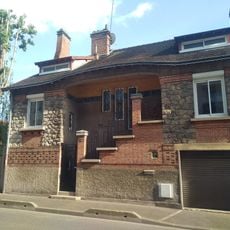
Château de Villejuif, 17th-century castle in Villejuif, France
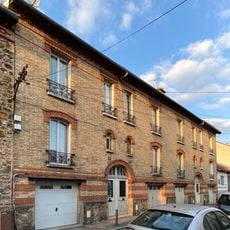
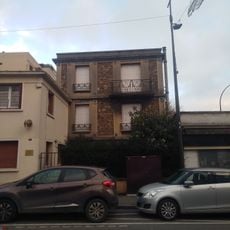
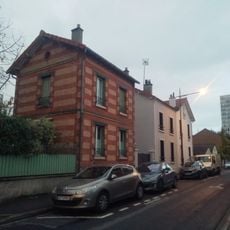
Château de Villejuif, called château du comte de Saint-Roman, was a seigneurial farm rather than a military castle, built of stone from the Arcueil quarries. Eugène Atget photographed it in 1901. Its park, sold in 1910, lay between today's rue Jean-Jaurès, avenue Paul-Vaillant-Couturier and rue Georges-Lebigot; vestiges remain at nos. 3 and 10 rue du Colonel-Marchand.
Jean Duret, a captain in the Prince of Conti's regiment, bought the seigneurie of Villejuif in 1672, sold the old manor to the Saint-Nicolas-du-Chardonnet seminary in 1674, and built a new château in 1680. In 1732 the last Duret heir sold the seigneurie to Jacques Molin, surgeon to the king; it passed through his sister Suzanne to the Saint-Roman family. Jacques de Saint-Roman was guillotined during the Revolution and his son Alexis-Jacques fled to England. The château was later divided into dwellings and demolished in 1989.
The name Saint-Roman survives in rue Eugène-Varlin, formerly avenue de Saint-Roman, pierced in September 1900 to link the town hall and schools with the castle's last remains. The building was demolished in 1989, so nothing of it stands today; only fragments at 3 and 10 rue du Colonel-Marchand remain.
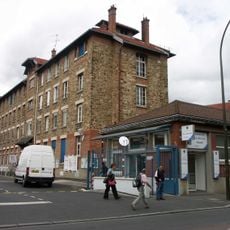
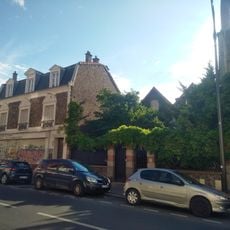
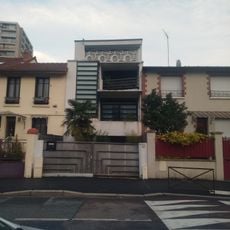
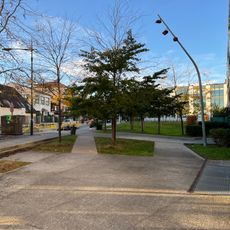
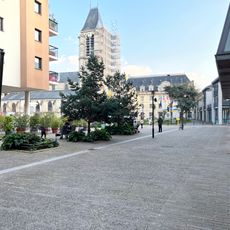
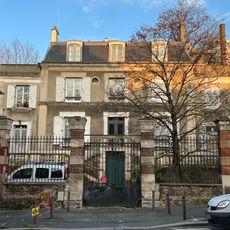
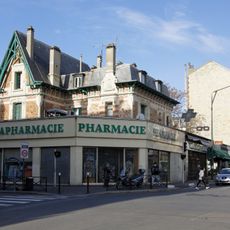
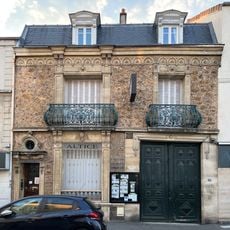
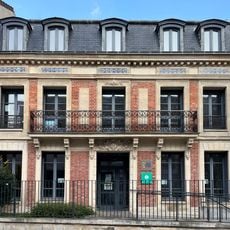
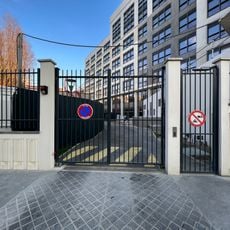
Architectural remains can be seen at numbers 3 and 10 Colonel Marchand Street, where you can observe surviving walls and design features from the original building. The site is now surrounded by modern structures and partly occupied by the Paul Brousse Hospital.
The property contained a private family cemetery and hosted judicial proceedings in its outbuildings until 1845. This dual purpose as both a private residence and local administrative center made it significant for the community.
The community of curious travelers
AroundUs brings together thousands of curated places, local tips, and hidden gems, enriched daily by 94,593 contributors worldwide.