Station de Brest-Déolen, Telegraph station in Locmaria-Plouzané, France
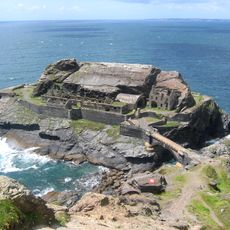
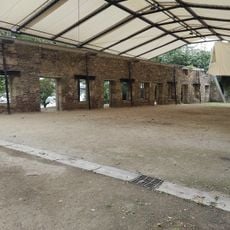
The station de Brest-Déolen is a historic telegraph facility located along the Breton coast near a small cove on the coastal path between Brest and Plougonvelin. Built from granite stone, it once served as the central hub for transatlantic telegraph communications connecting France directly to the United States.
The facility opened in 1879 as France's first center for transatlantic telegraph operations, establishing a direct line between France and the United States through submarine cables routed via Saint-Pierre-Miquelon. This connection marked a turning point in how distant nations could communicate.
This facility represented a major breakthrough in connecting distant continents through electrical signals, allowing people and businesses to exchange messages across the Atlantic in minutes rather than weeks. It symbolized France's role in shaping modern communication networks during an era when technology was transforming society.
The site sits at the end of the Déolen cove, reached only by the old paths down the valley of the mills; there is no road apart from these tracks. The cables lie in grooves cut into the rock and covered at high tide, so the landing point is best seen at low water. The slope in front of the buildings is overgrown and the ground uneven.
The 1897 cable laid from Déolen to Orléans Cove on Cape Cod, nicknamed "le Direct", was the longest and heaviest submarine telegraph cable ever laid, carrying 40 words a minute over 5,878 km without an intermediate relay. On 31 May 1927 the news of Lindbergh's solo Atlantic flight reached the Americans through this cable.
The community of curious travelers
AroundUs brings together thousands of curated places, local tips, and hidden gems, enriched daily by 94,661 contributors worldwide.