Source du Lison, A cave in the Doubs, France
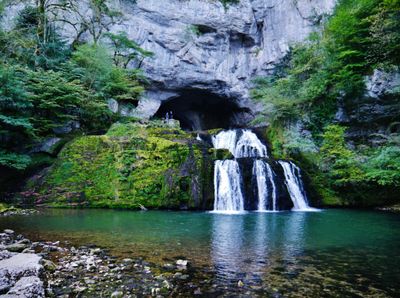
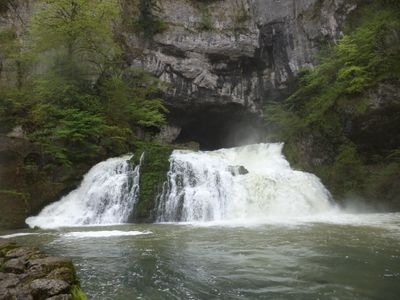
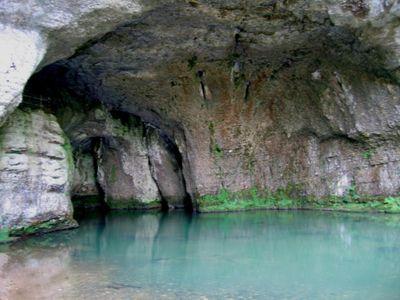
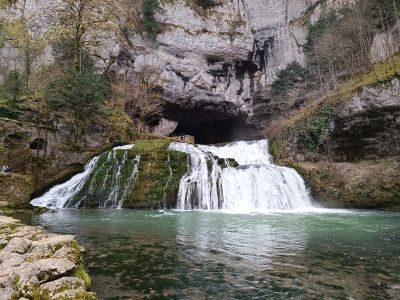
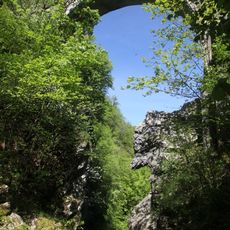
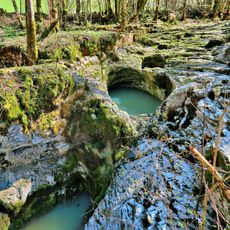
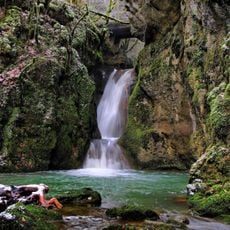
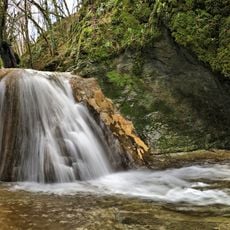
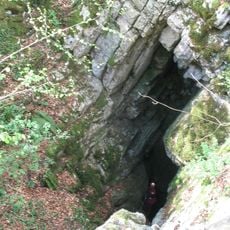
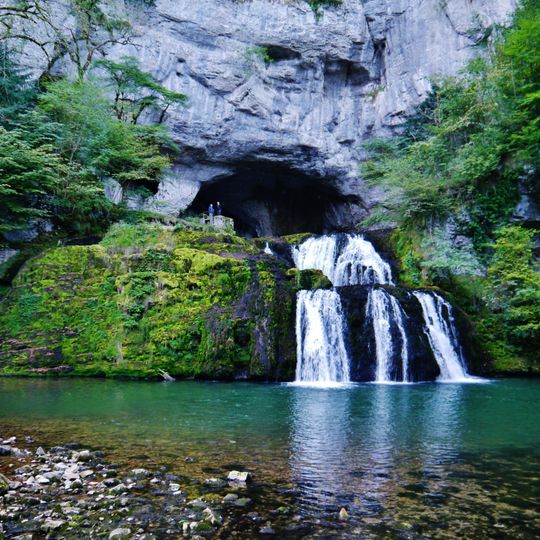
Source du Lison is a karst spring in Nans-sous-Sainte-Anne, in the Doubs department, where water emerges directly from a limestone cliff and immediately forms the Lison river. The opening from which the water flows is set at the base of a tall rock face, framed by a natural cave mouth that you can approach on foot.
The spring was known since the Middle Ages and powered several mills along the Lison river, which local craftsmen relied on for their work. In the 19th century, the explorer Édouard-Alfred Martel mapped the underground network feeding the source, which changed how people understood where the water came from.
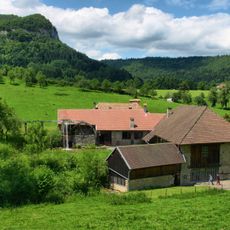
The spring has drawn local people for generations, and today it remains a gathering point for walkers and families from nearby villages. The name Lison comes from a Latin root referring to smooth, flowing water, which reflects how people have long described what they see here.
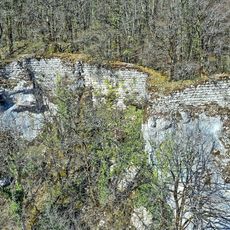
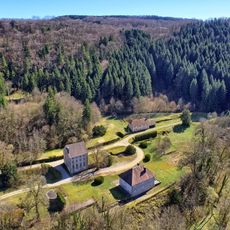
A short path from the village of Nans-sous-Sainte-Anne leads directly to the spring, with parking available close by. It is best to stay on the marked trails, as the ground near the rock face can be uneven and loose stones are common.
After heavy rain, the flow from the spring can surge so strongly that it floods the base of the cliff and temporarily blocks access to the cave entrance. This shows how directly and quickly the underground channels respond to rainfall in the surrounding hills.
The community of curious travelers
AroundUs brings together thousands of curated places, local tips, and hidden gems, enriched daily by 92,641 contributors worldwide.