Grandes écuries du château de Chantilly, Royal stables in Chantilly, France
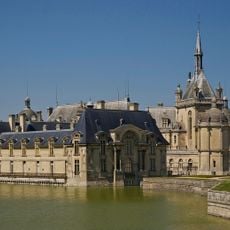
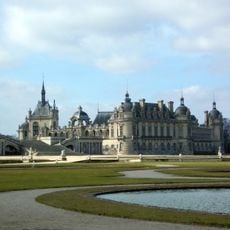
The Great Stables form a monumental building stretching across the estate with two matching wings framing a central pavilion decorated with stone sculptures of horses and riders. The open courtyard in the middle serves as a training ground where equestrian demonstrations and lessons still take place today.
Louis-Henri de Bourbon, seventh Prince of Condé, had the stables built from 1719 along the Chantilly lawn by architect Jean Aubert, a pupil of Hardouin-Mansart; construction lasted 15 years. They housed his horses, his hunting pack—the largest in France after the king's—and the staff. Pillaged in 1789, they later quartered cavalry regiments, including the Polish lancers of the Imperial Guard. The Duke of Aumale gave the estate to the Institut de France in 1884.
Since 1982 the stables have housed the Musée vivant du Cheval, founded by Yves Bienaimé, a former riding instructor there. The museum combines a collection of horse-drawn carriages and equestrian equipment with daily demonstrations in the central arena, so the building's original purpose remains visible to visitors.
The main facade, 186 metres long, faces the great lawn, with the entrance portal on the town side leading to the cour des chenils. The stables themselves face south, and the building stands beside the large reservoir that supplied water for the horses and fire protection. Allow time to walk the length of the facade to see the three galloping horses carved in rocaille style above the two side doors.
The nobleman who commissioned these stables believed he might be reincarnated as a horse in his next life, which inspired him to create unusually lavish accommodations for the animals. This peculiar conviction resulted in stable conditions that rivaled the comfort of the noble's own living quarters.
The community of curious travelers
AroundUs brings together thousands of curated places, local tips, and hidden gems, enriched daily by 93,137 contributors worldwide.