Hvalsey, Archaeological site in Kujalleq, Greenland.
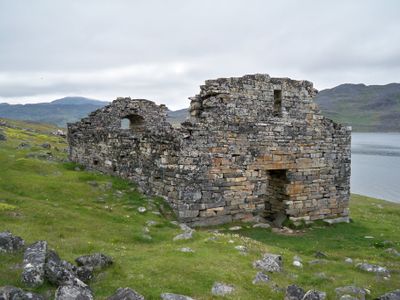
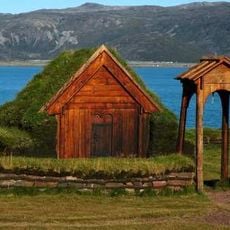
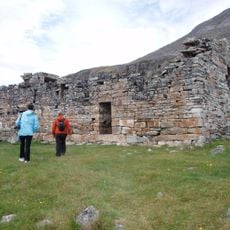
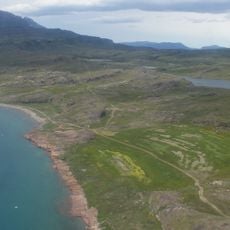
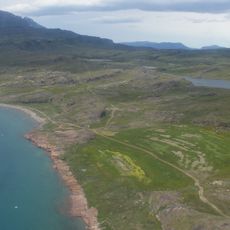
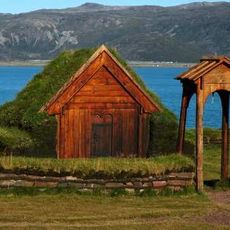
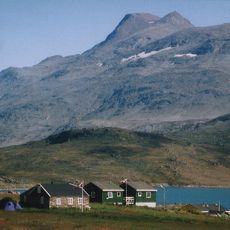
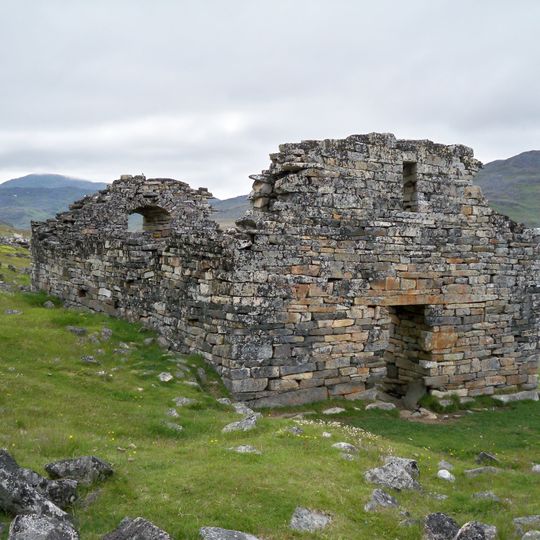
Hvalsey is an archaeological site on the Kujalleq coast with remains of medieval Norse buildings scattered across the landscape, including stone walls and foundations. The ruins contain a former church and several dwelling structures that reveal how people lived here centuries ago.
The site was founded by Norse settlers during the early period of European expansion into Greenland and flourished for several centuries. The final written record dates to 1408, documenting a wedding at the church before the settlement was eventually abandoned.
The medieval church here displays building methods that mix Norse craftsmanship with stones found locally. This construction style shows how early European settlers adapted their techniques to the harsh Arctic environment.
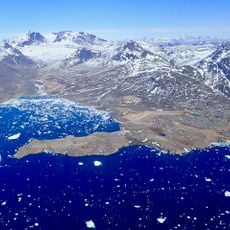
Visiting requires a boat journey from Qaqortoq and is heavily dependent on weather conditions, particularly in winter months. It is best to plan flexibly and check local conditions before traveling to the site.
The church at this location was for a long time one of the northernmost Christian structures in Europe and represents a fascinating chapter of medieval history. Few visitors realize that at this remote place religious ceremonies were regularly held, long after similar settlements had moved elsewhere.
The community of curious travelers
AroundUs brings together thousands of curated places, local tips, and hidden gems, enriched daily by 91,002 contributors worldwide.