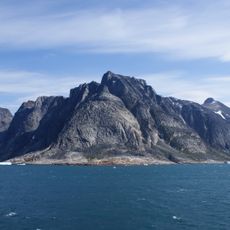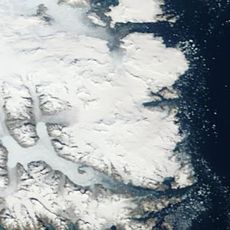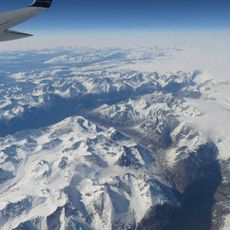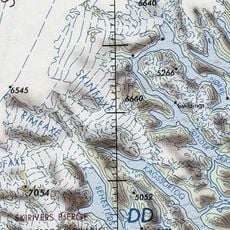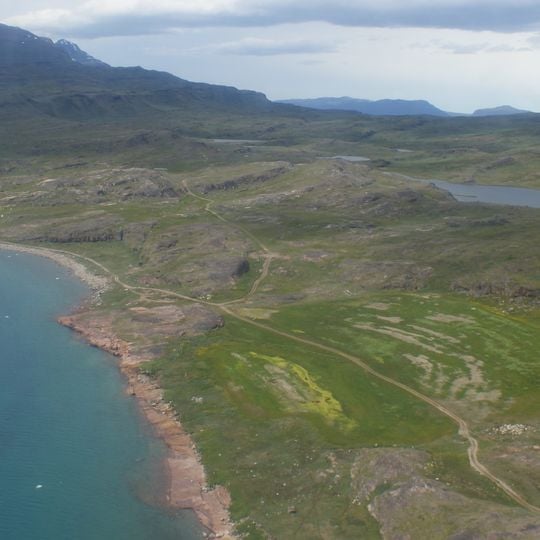
Kujataa, UNESCO World Heritage Site in southern Greenland
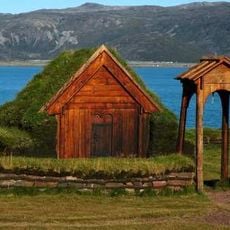
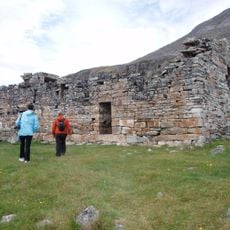
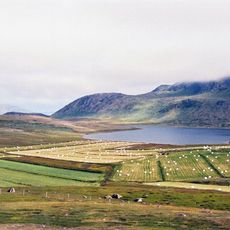
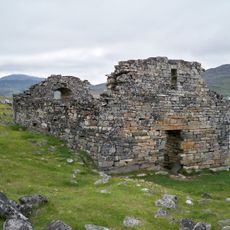
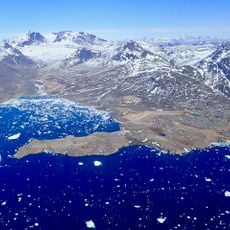
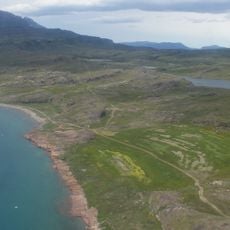
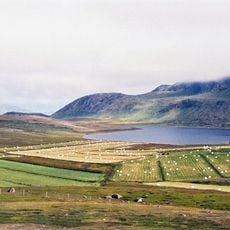
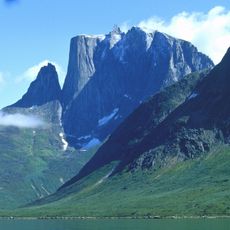
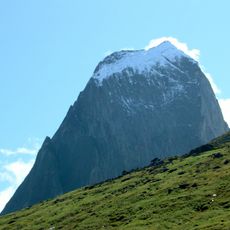
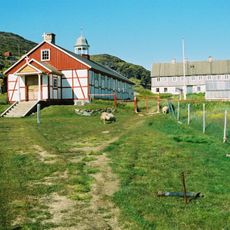
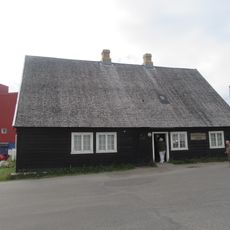
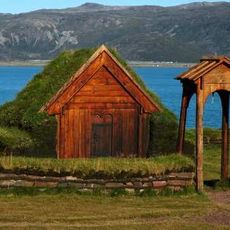
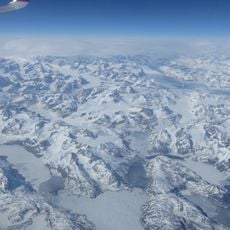
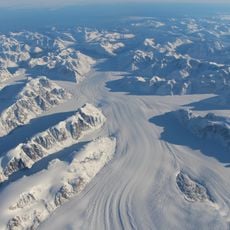
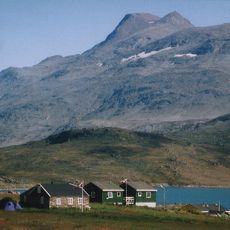
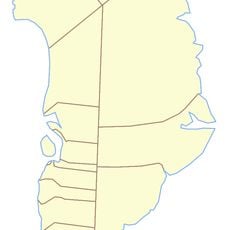
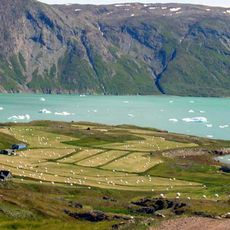
Kujataa is a UNESCO World Heritage Site in southern Greenland containing remnants of Norse farms and settlements alongside Inuit occupation sites. The region spans across five distinct areas with visible archaeological features including house foundations, field systems, and grazing lands from different historical periods.
Norse settlers founded farming communities in Kujataa around the 10th century, adapting agricultural methods to Arctic conditions. These societies persisted through several centuries before gradually disappearing in the 15th century.
The land reflects centuries of interaction between Norse and Inuit ways of living, visible today in how farming practices and settlement patterns blended together. Walking through sites like Qassiarsuk and Igaliku, you can sense the layers of occupation and adaptation that shaped local life.
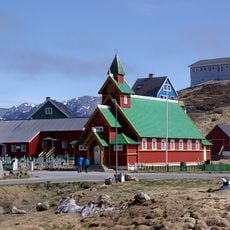
The sites are accessed from the villages of Igaliku, Qassiarsuk, and Upernaviarsuk, where local guides offer tours of the archaeological areas. Summer months are ideal for visiting, as trails are more accessible and weather is milder for exploring the remains.
This region represents one of the few places in the Arctic where people shifted their primary subsistence from hunting to farming. The transformation reveals how inhabitants adapted their lifestyle fundamentally to survive in an extreme environment.
The community of curious travelers
AroundUs brings together thousands of curated places, local tips, and hidden gems, enriched daily by 90,863 contributors worldwide.