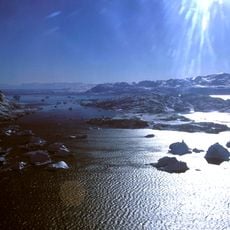
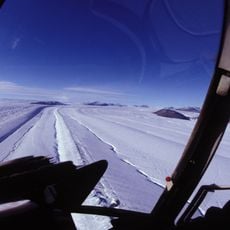
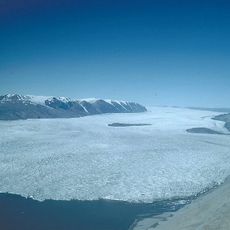
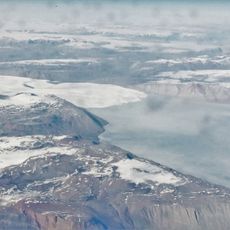
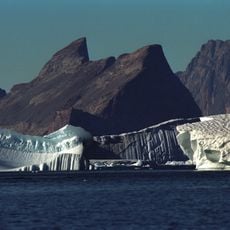
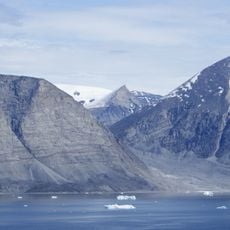
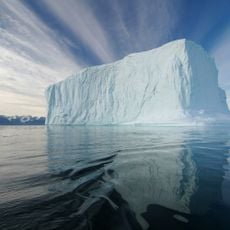
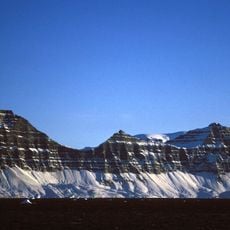
Dye 3, Cold War radar station in South Greenland
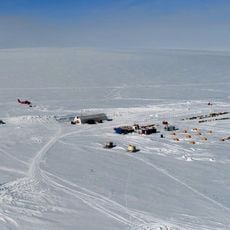
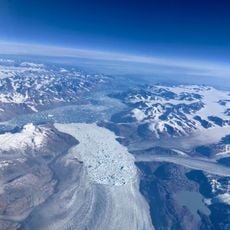
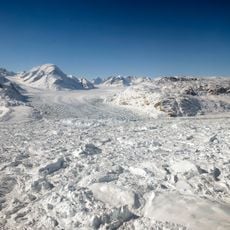
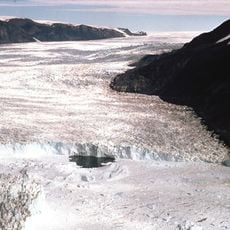
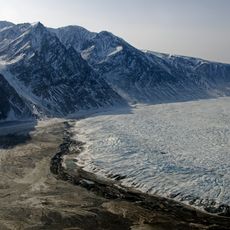
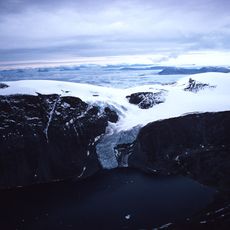
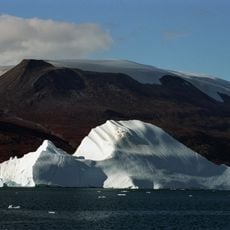
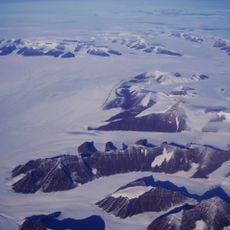
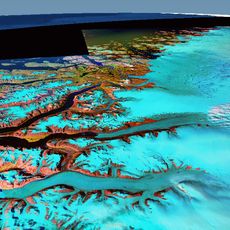
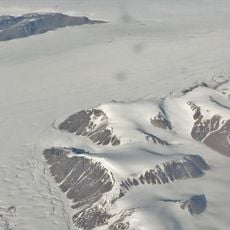
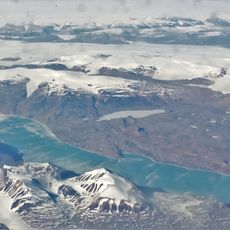
Dye 3 is a research station in southern Greenland, sitting at roughly 8,500 feet (about 2,600 meters) above sea level and surrounded entirely by ice. The station was equipped with drilling equipment capable of reaching about 6,700 feet (around 2,000 meters) into the ice sheet below.
The United States Air Force built Dye 3 between 1955 and 1960 as part of the Distant Early Warning Line, a radar network designed to detect Soviet aircraft during the Cold War. When the military need faded, the site was handed over to scientific teams who used it for ice and climate research.
Scientists from many countries have worked side by side here, sharing methods and results to piece together records of past climate. The cooperative spirit at this remote site produced findings that influenced how researchers around the world approach climate science.
Reaching this station requires careful planning, as it sits in one of the most remote areas on Earth with severe weather throughout the year. Access is normally restricted to researchers and authorized personnel, so independent visits are not possible.
When scientists examined the ice cores extracted here, they found traces of ancient conifer trees and insects preserved inside the ice. These remains suggest that Greenland once had a much warmer climate, long before humans began recording temperatures.
The community of curious travelers
AroundUs brings together thousands of curated places, local tips, and hidden gems, enriched daily by 92,653 contributors worldwide.