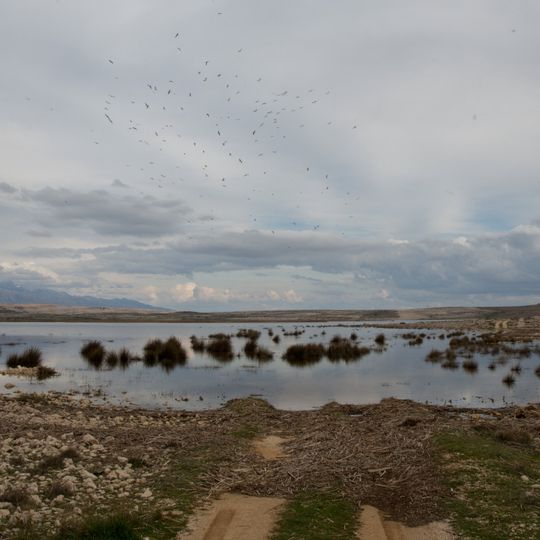
Velo blato, protected area in Croatia
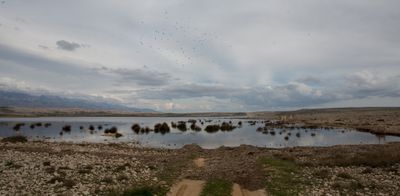
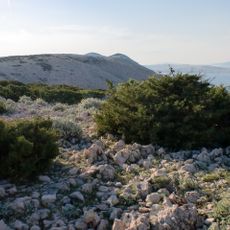
Velo blato is a large wetland area on the island of Pag in Croatia, situated in a natural depression filled with fresh water and covering about 462 hectares. The landscape consists of shallow waters and marshes with dense reeds, rushes, and marsh plants, while rocky terrain with hardy vegetation transitions the southern edges.
The area was designated as a protected reserve in 1988 and is part of the European Natura 2000 network for safeguarding threatened habitats. The wetland formed over centuries through sea level changes and became a critical stopover for migratory birds traveling south across Europe.
The name Velo blato means "Big Mudflat" in Croatian. The Košćina family turned the wetland into a fishpond, one of the first fish farms in Europe. Angling is still allowed with a permit issued by the tourist office, and tickets for the reserve are sold at the tourist board in Povljana.
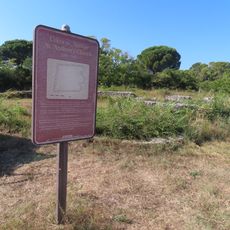
Access is via the asphalt road toward Vlašići. The reserve has a watchtower and an information board; tickets for sightseeing are sold at the tourist board in Povljana. Freshwater fishing is allowed with a permit issued by the tourist office.
The area once hosted one of Europe's earliest fish farms, established by the Košćina family who took advantage of the natural conditions for raising fish. This early use shows how people traditionally worked with the marsh, while today its protection for birds remains the priority.
The community of curious travelers
AroundUs brings together thousands of curated places, local tips, and hidden gems, enriched daily by 92,668 contributors worldwide.