Deák Ferenc tér, Square in Budapest District V, Hungary
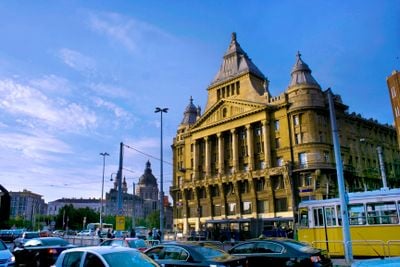
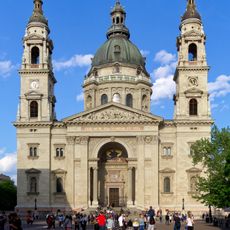
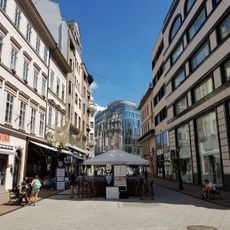
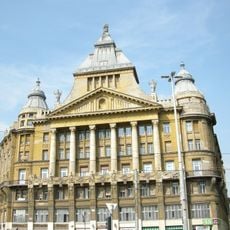
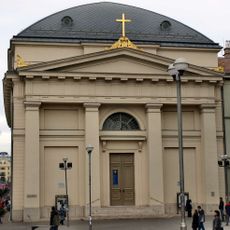
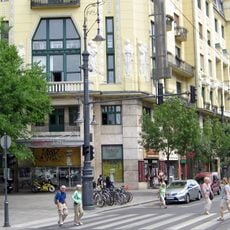
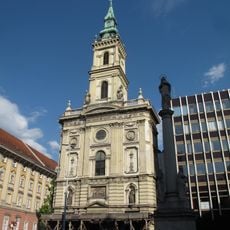
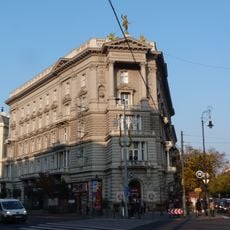
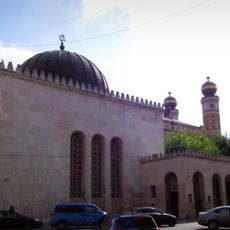
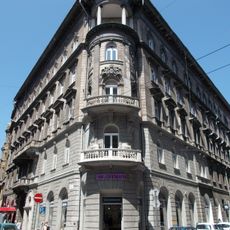
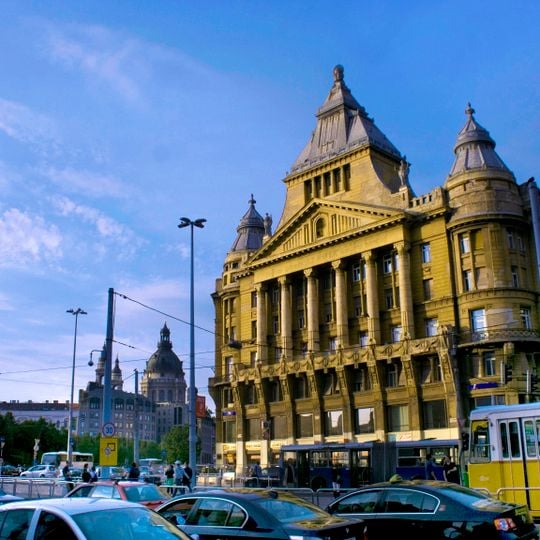
Deák Ferenc tér is a central square and major transport hub in Budapest, where several streets meet and three metro lines converge beneath the surface. The square is surrounded by buildings of different styles, including the Anker Palace with its dome and the Lutheran church, and it has a grassy area in the middle where people often gather.
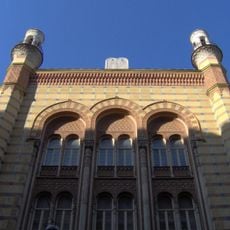
The square was laid out in the early 19th century and was known by several names, including Cabbage Market and Jewish Market, before being renamed after Ferenc Deák in 1866. It has long been a key junction in the city, and the arrival of the metro in 1896, followed by additional lines in the 20th century, reinforced its role as a transport hub.
The square is named after Ferenc Deák, a 19th-century politician known as the "Wise Man of the Nation," and it has become a meeting point for locals, especially young people who gather on the grassy area. On any given day, you'll see people chatting, waiting for friends, or simply passing through, giving the square a lively and social feel.
The square is easy to reach on foot from nearby attractions and is well connected by public transport, with clear signs for metro, tram, and bus stops. It is a good place to start exploring the city, but be aware that it can get crowded during rush hours and late at night.
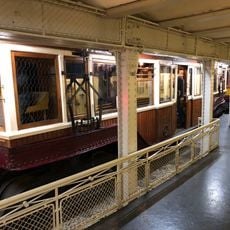
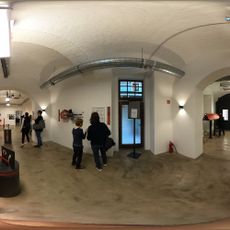
Under the square lies the oldest metro line in continental Europe, the M1, which opened in 1896 and is now a UNESCO World Heritage site. The square is also mentioned in a song by the Swedish band Pain of Salvation, which might surprise music fans.
The community of curious travelers
AroundUs brings together thousands of curated places, local tips, and hidden gems, enriched daily by 94,461 contributors worldwide.