Hollókő, Traditional ethnographic village in Nógrád County, Hungary
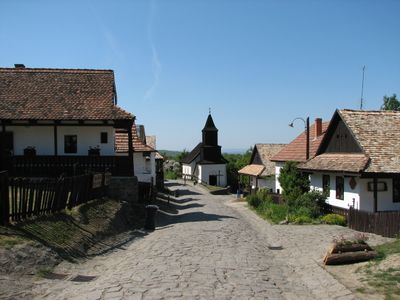
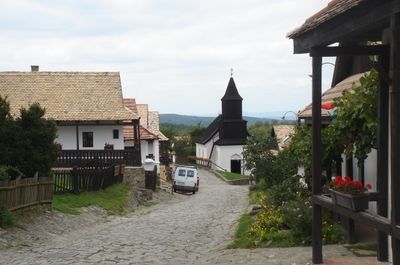
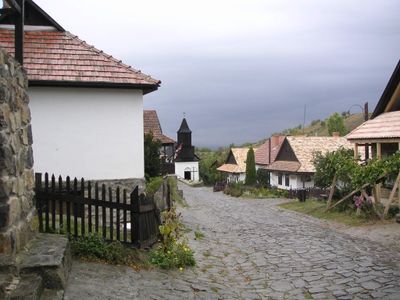
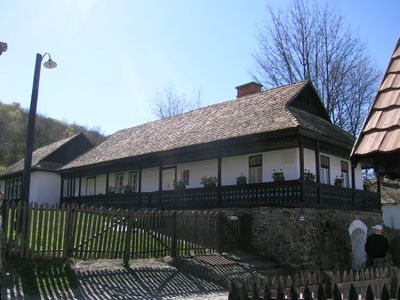
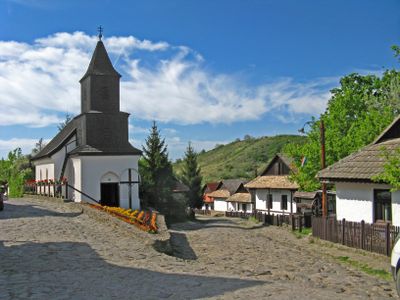
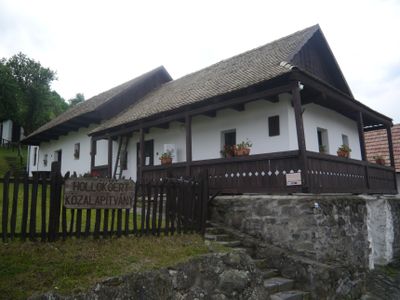
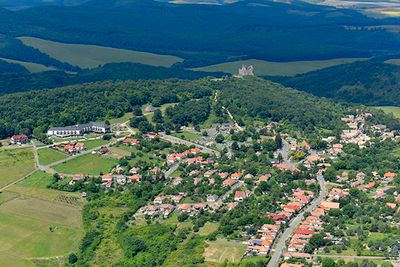
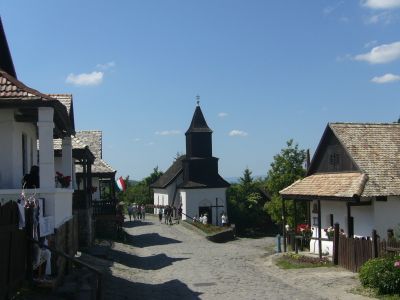
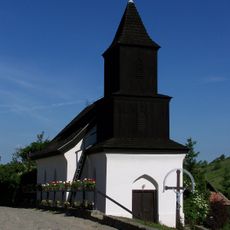
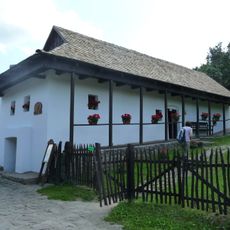
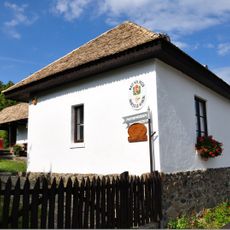
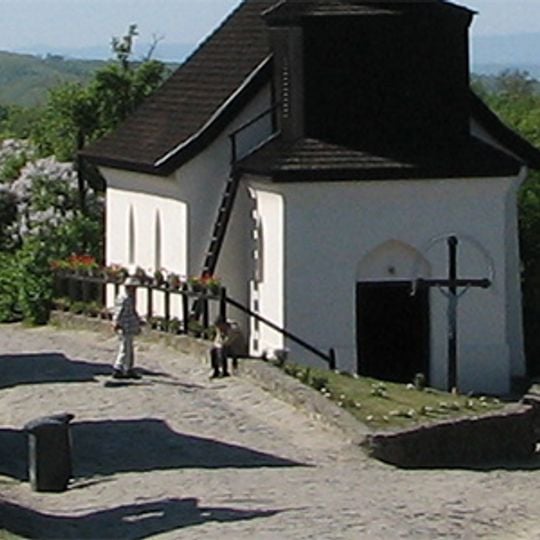
Hollókő is a village in Hungary composed of wooden houses with white walls, gabled roofs, and porches arranged along narrow lanes bordered by fruit trees and gardens. The layout follows an organic pattern with a church at the center and dwellings nestled into the sloping terrain.
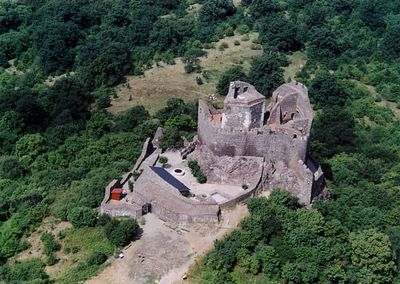
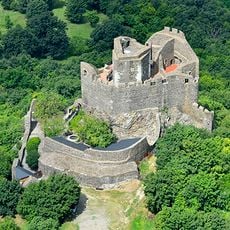
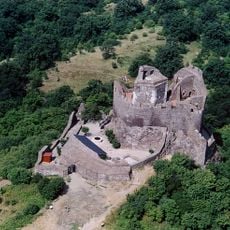
After the Mongol invasion in the 13th century, residents built a stone fortress on the hilltop to defend the settlement against future raids. Over following centuries, the village developed into a stable community with its own architectural character and customs.
The Palóc community keeps local crafts alive through weaving and pottery made in homes throughout the village. Visitors can observe these traditional skills being practiced as part of everyday life in the settlement.
The village is accessible by regular bus service from Budapest and offers lodging in traditional houses throughout the settlement. Guided tours in multiple languages help visitors understand the local heritage and traditional crafts on display.
Each house retains architectural elements from the 18th century, offering an authentic view of rural life before industrialization took hold. This continuity means the place functions as a living record rather than a reconstructed display.
The community of curious travelers
AroundUs brings together thousands of curated places, local tips, and hidden gems, enriched daily by 90,842 contributors worldwide.