Municipium Aelium Salla, Roman archaeological site in Zalalövő, Hungary
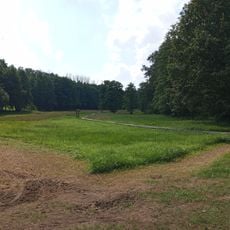
Municipium Aelium Salla is the remains of a Roman settlement whose ruins show foundations of buildings, streets, and defensive works along the northern bank of the Zala river. The site covers a substantial area where ongoing excavations continue to reveal the layout and structure of the original town.
Roman legions set up a camp on the north bank of the Zala in the early 1st century, and a village grew beside it. In 124 Hadrian granted city status, creating Municipium Aelium Salla. Germanic tribes destroyed the town in the mid-2nd century; it revived briefly in the 4th century with new stone buildings, including a guesthouse, before being abandoned again after the legions withdrew in the 5th century.
The finds from Salla are not kept on site: most are displayed at the Göcseji Museum in Zalaegerszeg, whose permanent exhibition 'Centres along the Zala' presents them. The settlement's name survives in Zalalövő, whose 'Lövő' part probably comes from royal archers settled here according to a 13th-century charter.
The site is accessible year-round, though guided tours are most commonly available during warmer months. Wear comfortable shoes and allow time to explore the different areas, as the layout covers a substantial territory.
The Roman name Salla survives in the modern town name Zalalövő: a 13th-century charter records that royal archers, called arrow-shooters, were settled on the Roman site, and the Hungarian word lövő likely derives from them. The excavated finds, including coins and pottery, are displayed at the Göcseji Museum in Zalaegerszeg.
The community of curious travelers
AroundUs brings together thousands of curated places, local tips, and hidden gems, enriched daily by 93,885 contributors worldwide.