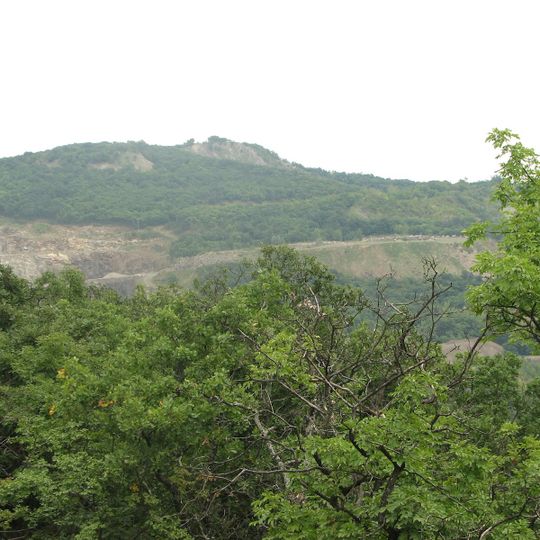
Zuvár, Castle ruin on Zuvár hill near Márianosztra, Hungary
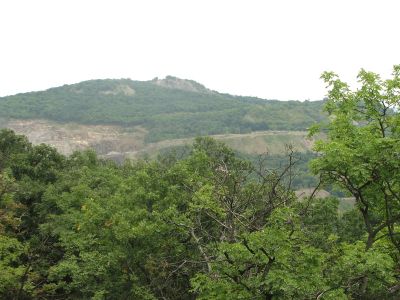
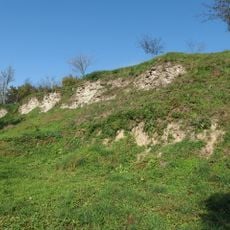
Zuvár is a ruined castle on the 318-metre Zuvár-hegy between the Misaréti and Ódamásdi stream valleys. Its roughly 30 by 50 metre summit is ringed by walls 140–300 cm thick, built of roughly worked stone; on the northeast side a 12-metre stretch of the outer wall face is still visible, with traces of supporting piers. A double ditch-and-rampart system surrounds the hilltop, and the rectangular foundation of a 6.3 by 7 metre residential tower stands at the northeast edge.
Zuvár is not mentioned in written sources; its builder was probably Jakab of Nostre (mentioned in 1262) or Mihály of Nostroy (1270–72). The area passed to Konrád of Esztergom, then to the king by exchange before 1281. Gergely Gyöngyösi records that the Márianosztra monastery, founded by Louis I in 1352, was built from the stones of the nearby "Nostre castle", so Zuvár was likely ruined by the mid-14th century.
The name Zuvár is not explained in written sources; the castle itself is unmentioned in medieval charters, and the nearby 'Nostre Castle' recorded by Pauline monk Gergely Gyöngyösi is the only written reference to a fortress here. The Pauline monastery at Márianosztra, founded in 1352 by King Louis I, was built from its stones.
The ruins lie on the 318-metre Zuvár-hegy, between the Misaréti and Ódamásdi stream valleys, and are not open to the public. The summit is linked to a small plateau by a narrow saddle to the north, with steep slopes on the other sides. The outer defences enclose an area of about 100 x 100 metres.
Excavations at the site unearthed pottery and metal objects from the 13th century that hint at everyday trade and craftsmanship. The finds suggest that people lived here not merely as warriors but also pursued their daily work.
The community of curious travelers
AroundUs brings together thousands of curated places, local tips, and hidden gems, enriched daily by 94,894 contributors worldwide.