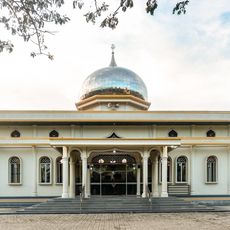
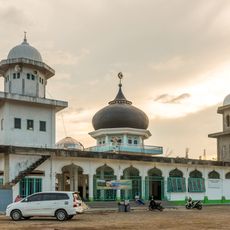
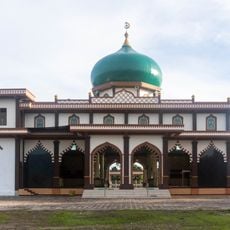
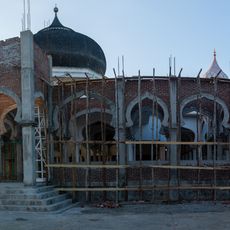
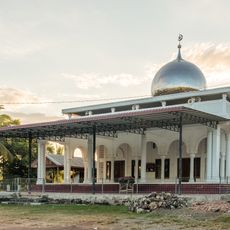
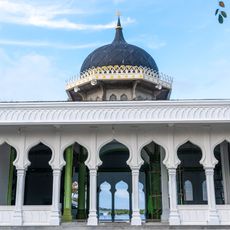
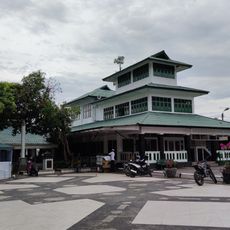
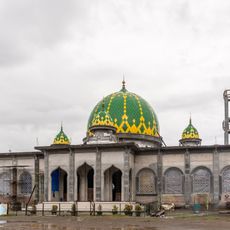
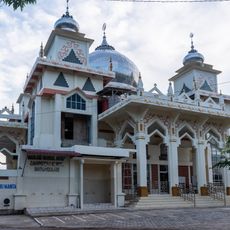
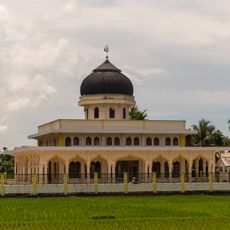
Baiturrahim Mosque, Historic mosque in Ulee Lheue, Indonesia.
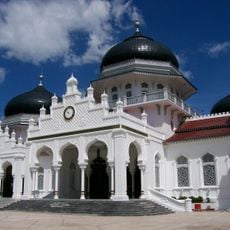
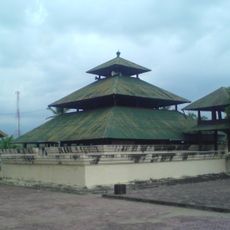
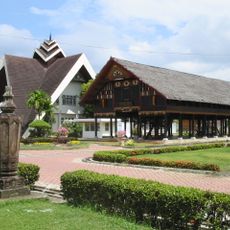
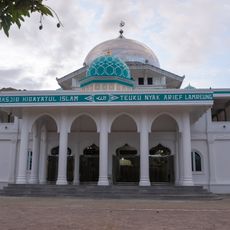
Baiturrahim Mosque is a brick-and-cement mosque in Ulee Lheue, Banda Aceh, built in 1922 by the Dutch East Indies government in a European architectural style without iron or bone braces. Its front section is the only original part left after a major renovation in the 1990s; the dome damaged in the 1983 earthquake was replaced by an ordinary roof.
The mosque began in the 17th century as a legacy of the Aceh Sultanate, originally named Jami Ulee Lheu. In 1873, when the Baiturrahman Grand Mosque burned during the expulsion of Dutch Royal troops, its worshippers held Friday prayers here, and the name changed to Baiturrahim. The wooden building was later replaced: in 1922 the Dutch East Indies government rebuilt it in brick and cement without iron or bone braces.
The mosque was originally named Jami Ulee Lheu; after the Baiturrahman Grand Mosque burned in 1873, worshippers held Friday prayer here and the name changed to Baiturrahim. Locals still regard it as a symbol of God's greatness because it survived the 2004 tsunami.
Located in Ulee Lheue near other historical sites in Banda Aceh, the mosque remains accessible to visitors who should dress modestly and respect ongoing religious activities.
Remarkably, Baiturrahim Mosque was the only building in its area to survive the devastating 2004 Indian Ocean tsunami completely intact, becoming a symbol of hope and resilience.
The community of curious travelers
AroundUs brings together thousands of curated places, local tips, and hidden gems, enriched daily by 94,123 contributors worldwide.