Doonbeg, village in Munster, Ireland
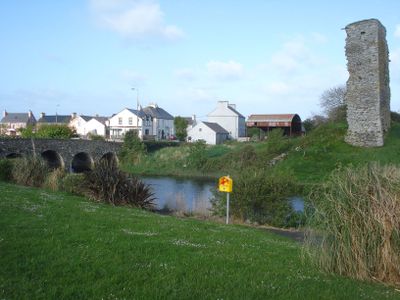
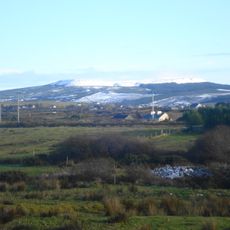
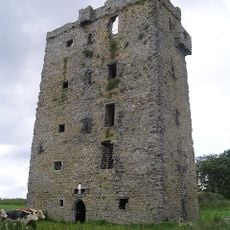
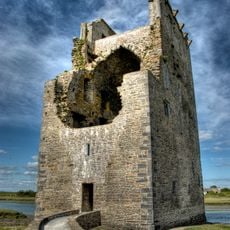
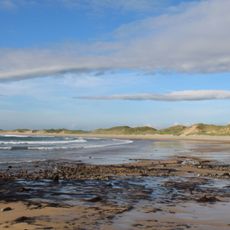
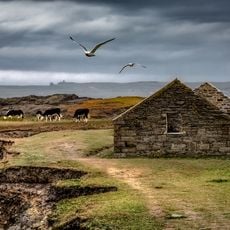
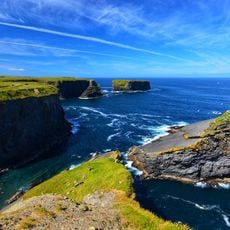
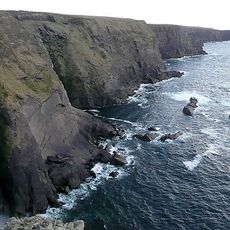
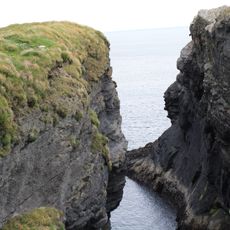
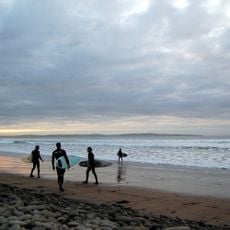
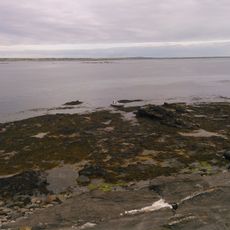
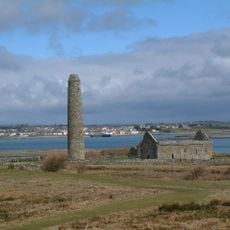
Doonbeg is a small village on the coast of County Clare, Ireland, surrounded by dunes, farmland, and the Atlantic Ocean. It features two long sandy beaches, a castle complex from the early 1500s with a stone bridge running through it, nearby cliffs, and a fort that documents settlement across multiple periods.
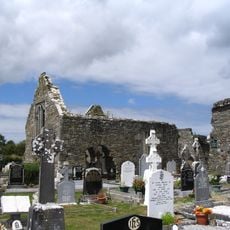
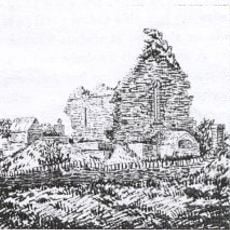
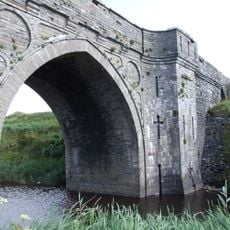
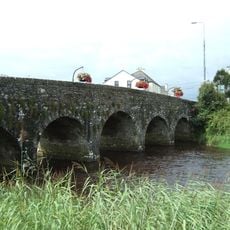
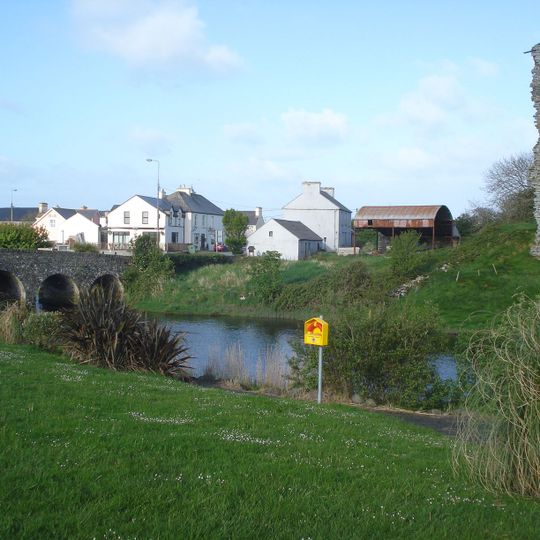
The village developed around a castle built in the early 1500s, which was later involved in conflicts and whose ruins remain visible today. The six-arched stone bridge, built around 1820, is connected to the time of the Great Famine, when it provided shelter for families seeking refuge.
Fishing has shaped Doonbeg for centuries and remains visible in daily life, from boats in the harbor to locals' connection with the sea and its rhythms. The community gathers in pubs for traditional music sessions, where visitors join a social practice that keeps local customs alive through song and conversation.
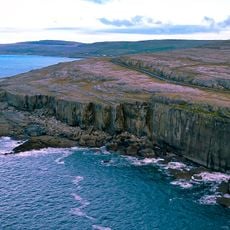
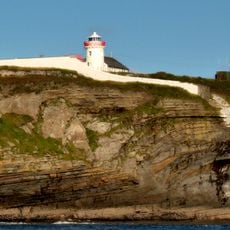
Visitors find two safe sandy beaches with lifeguards in summer for swimming and relaxing, while nearby Baltard cliffs offer good viewpoints for taking in ocean views. The village has hotels, bed-and-breakfasts, and camping sites, making it a convenient base for exploring the Wild Atlantic Way and pursuing activities like fishing, golf, and coastal walks.
The village hosts two major festivals annually: the West Clare Drama Festival in March featuring local and national performers, and the Doonbeg International Jazz Festival with international musicians. These events temporarily transform the quiet village into a cultural gathering where visitors and locals connect.
The community of curious travelers
AroundUs brings together thousands of curated places, local tips, and hidden gems, enriched daily by 92,813 contributors worldwide.