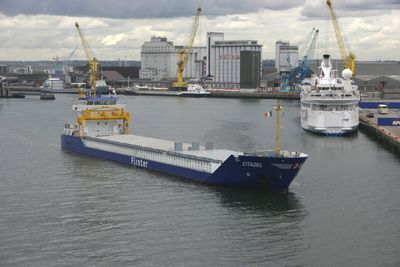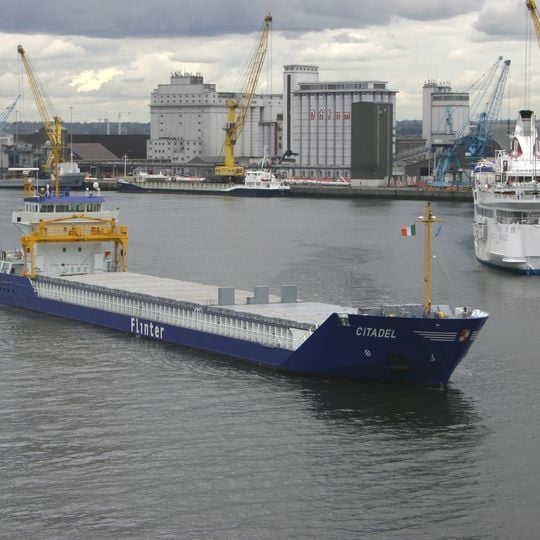
Dublin Port, port of the city of Dublin, Ireland
Dublin Port is a seaport at the mouth of the River Liffey that spans both sides of the river and processes ships daily. The facility with its large cranes, warehouses, and container yards is Ireland's largest port and moves most of the goods transported in and out of the country.
The port was systematically developed in the 18th century when the Custom House was built in 1791 and docks were developed. In 1867 the Dublin Port and Docks Board took over management and modernized the facility to make Dublin a major trading hub.
The port is deeply connected to local communities like Ringsend and East Wall, where residents have depended on port work for generations. This bond shapes daily life in these neighborhoods and makes the port a vital part of Dublin's identity.
The port is easily connected to major highways through a tunnel, allowing quick access by car. Buses and shuttles link visitors and workers to the city, while pedestrians can use the new Dublin Port Greenway on the north side for walking and cycling.
The port sits within the Dublin Bay UNESCO biosphere reserve and protects seals, otters, and rare seabirds like guillemots and terns. This surprising blend of industrial shipping and important wildlife habitat shows how commerce and nature conservation coexist here.
The community of curious travelers
AroundUs brings together thousands of curated places, local tips, and hidden gems, enriched daily by 60,000 contributors worldwide.