National Famine Museum, Famine history museum at Strokestown Park, Ireland.
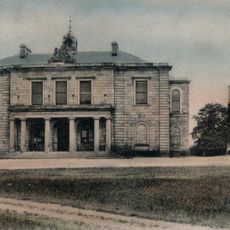
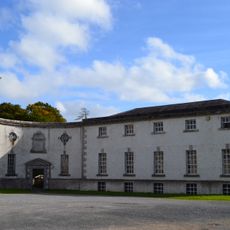
The National Famine Museum occupies part of Strokestown Park House, a Georgian mansion in County Roscommon. Its displays draw on the Strokestown Famine Archive, the estate's records from the Great Famine of 1845–1852. The exhibition explains the potato failures and compares historical famine with food scarcity today.
Strokestown Park was owned during the famine by Denis Mahon, who kept detailed records of the estate's management until his murder in 1847. Decades later, in the 1980s, the archive was rediscovered inside the house and formed the basis for opening a museum on the site.
The museum's displays draw on the Strokestown Famine Archive, the estate records kept during the Great Famine. Its programmes extend beyond the exhibition: the signposted National Famine Way traces the route of 1,490 emigrants who left Strokestown as a group in 1847, and a summer school on the famine brings researchers together each year.
The museum occupies the estate buildings at Strokestown Park in County Roscommon, and the exhibition is laid out to follow the famine years through the estate's own documents. The National Famine Way walking route, which traces the 1490 emigrants who left Strokestown in 1847, starts from the site. Allow time to read the archive material rather than hurrying through the rooms.
Around 1490 tenants from the Strokestown estate were put on ships to Canada in 1847 by Denis Mahon, and many of them landed on Grosse Isle in Quebec, where a memorial now stands. Some of the documents inside the museum trace that crossing directly, creating a thread between this house and a site on the other side of the Atlantic.
The community of curious travelers
AroundUs brings together thousands of curated places, local tips, and hidden gems, enriched daily by 93,079 contributors worldwide.