White City, UNESCO World Heritage Site in Tel Aviv, Israel
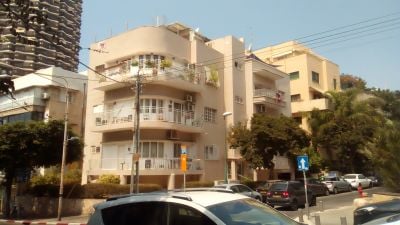
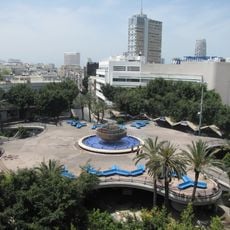
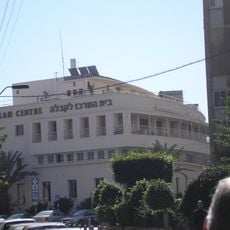
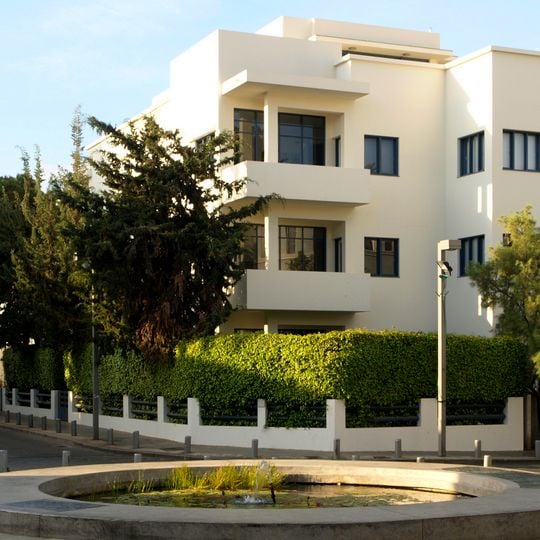
The White City is a UNESCO World Heritage Site comprising over 4,000 buildings in Tel Aviv, mostly from the 1930s. The buildings are concrete, with flat roofs, pilotis, small recessed windows, and long narrow balconies shaded by the balcony above. The facades are white or light-colored, and many have curved corners and horizontal lines.
The area developed during the 1920s and 1930s when architects arriving from Europe brought modern design principles to the growing city. This period shaped Tel Aviv's identity as builders created a cohesive neighborhood based on these new architectural approaches.
The name "White City" was used for the architectural heritage of Tel Aviv in the 1984 exhibition at the Tel Aviv Museum of Art, curated by Michael Levin; some trace it instead to the poet Nathan Alterman. Karl Schwarz, director of the Tel Aviv Museum, wrote in 1934 that the light-coloured plaster gave the impression of a city of radiant light. Residents still use the flat roofs as gathering places on hot summer evenings, and the café culture that began in the 1930s continues.
The area is best explored on foot, with buildings visible from public streets and sidewalks throughout the neighborhood. Taking time to observe architectural details and comparing different facades helps visitors understand the design principles used throughout.
Families have lived in many of these buildings for generations, maintaining them while keeping the original architectural vision intact. This ongoing occupation reveals how well-designed spaces adapt to real life without losing their character.
The community of curious travelers
AroundUs brings together thousands of curated places, local tips, and hidden gems, enriched daily by 92,621 contributors worldwide.