Tell Qasile, Archaeological site in Tel Aviv District, Israel
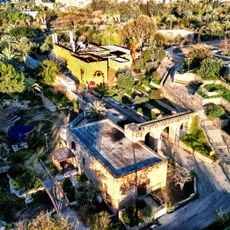
Tell Qasile is an archaeological site in the Tel Aviv District that contains multiple layered temples and residential quarters built along the Yarkon River. The site sits within the Eretz Israel Museum grounds and allows visitors to explore remains from different time periods in one location.
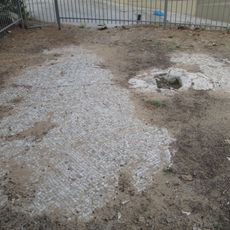
Philistines founded a port town at Tell Qasile in the 12th century BC, and it flourished until about 990 BC, when its peak period ended. In 1948 Benjamin Mazar began excavating there, receiving the first archaeological permit issued by the new State of Israel. Excavations by Amihai Mazar from 1971 to 1974 and again from 1982 to 1990 uncovered the Philistine temple area.
The temple area yielded a vessel shaped like a woman with openings at both breasts, possibly made for pouring milk and representing a fertility goddess; it is now displayed in the museum. A small secondary temple stood west of the main one, perhaps for a lesser deity or a ruler's private worship.
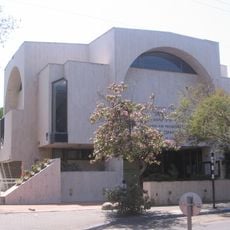
The excavations are located within a museum, so a museum visit is required to see the remains. It makes sense to plan time for both areas and wear comfortable shoes since the grounds are uneven.
Two important ostraca, ancient pottery fragments bearing Hebrew inscriptions that served as shipping documents, were uncovered at the site during 1945 and 1946. These fragments are rare examples of written records surviving from this early period.
The community of curious travelers
AroundUs brings together thousands of curated places, local tips, and hidden gems, enriched daily by 92,864 contributors worldwide.