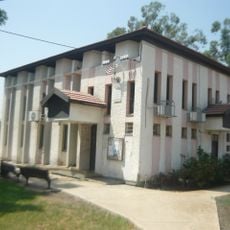
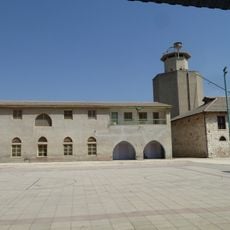
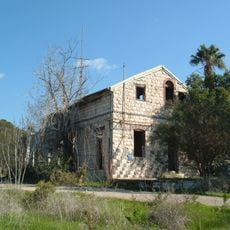
Tel Jezreel, Archaeological site in eastern Jezreel Valley, Israel.
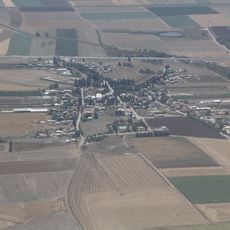
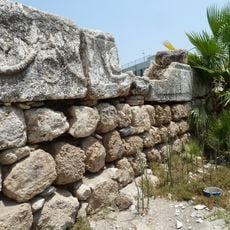
Tel Jezreel is an archaeological mound in the eastern Jezreel Valley, rising on a rocky ridge about 100 meters above the plain. Its summit holds a rectangular fortress of about 11 acres (45,000 m²), measuring 860 by 470 feet, with casemate walls and four projecting towers built of ashlars, boulders and smaller stones topped by mud-brick. A 20-foot-deep moat and rampart defend three sides, while a steep slope protects the north.
The site became the main fortress of the Northern Kingdom of Israel in the ninth century before the Common Era when King Ahab established a base for his chariot forces. Later occupation left Byzantine buildings and a medieval church from the Crusader era on the summit.
The name Jezreel comes from the Hebrew Yizrəʿel, meaning 'God will sow'. The 333 CE Bordeaux Pilgrim called it Stradela, from the Greek Esdráēla, and the later village of Zir'in kept the ancient name. The pilgrim Egeria, visiting in the fourth century, reported that Jezebel's tomb was stoned by everyone to that day.
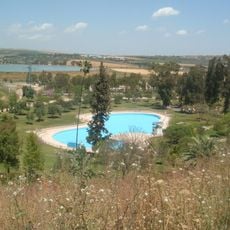
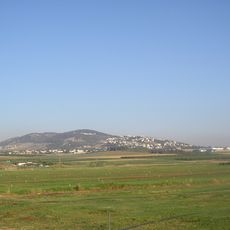
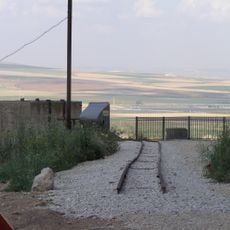
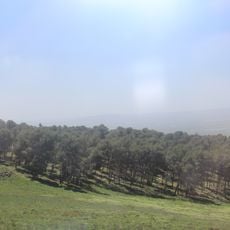
The archaeological mound offers wide views across the Jezreel Valley and surrounding hills from its summit, making the strategic importance of the location clear. Visitors can spot several rock-cut cisterns around the site and a large spring to the northeast that remain visible today.
The rectangular fortress displays an unusually symmetrical design with casemate walls and projecting corner towers that was built between 882 and 852 before the Common Era under kings Omri and Ahab. This architecture combines military function with thoughtful planning that was exceptional for its time.
The community of curious travelers
AroundUs brings together thousands of curated places, local tips, and hidden gems, enriched daily by 92,796 contributors worldwide.