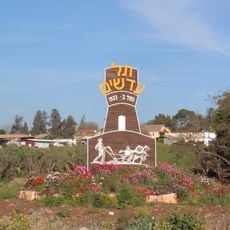
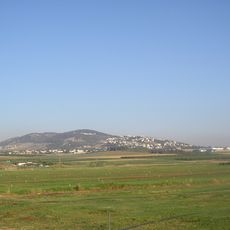
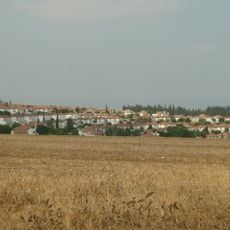
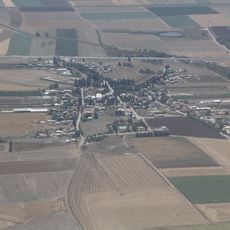
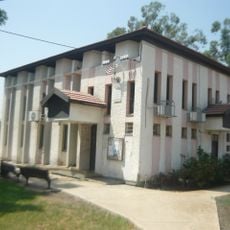
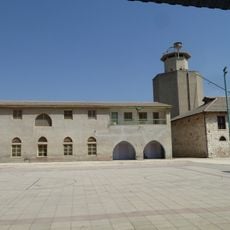
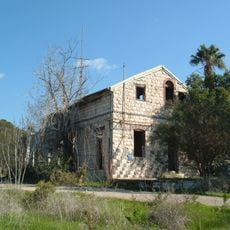
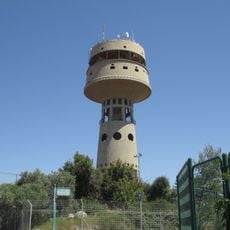
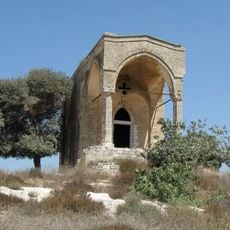
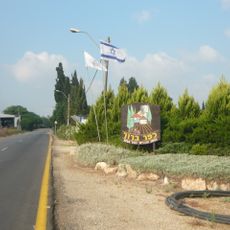
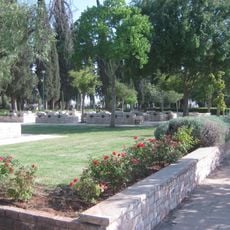
Tel Afula, Castle ruin in northern Israel.
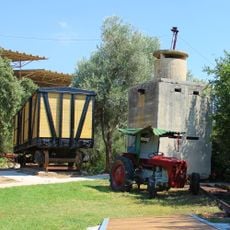
Tel Afula is an archaeological site in northern Israel featuring a square fortress from the medieval period. The structure was built with stones, including materials repurposed from Roman-era burial chambers.
The fortress dates to the Mamluk era, yet the site shows signs of habitation stretching back thousands of years. Earlier inhabitants from the Late Chalcolithic through Ayyubid periods left their mark on this location.
The Arabic name El-Fula, meaning "the bean," was used by the small Arab village whose residents lived in mud huts on this land before 1925. The site now displays a reconstructed public area where the ten settlement layers, from the late Chalcolithic to the Ayyubid period, are marked and explained.
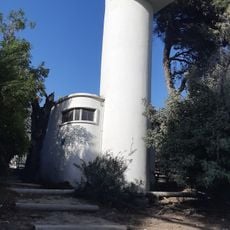
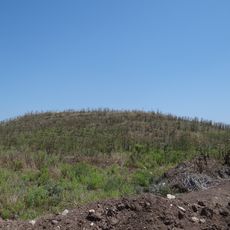
The northern part of the mound is covered by houses, so the excavated remains and the paved access path up to the summit plaza are reached from the southern side. The path and plaza were laid in 2017, when the ancient stones were marked. The site is open as a public area, so visits are possible without booking.
The sarcophagi built into the tower walls carry geometric carvings and date from the 2nd to 4th centuries CE. The 1926 dig led by Eliezer Lipa Sukenik lasted three weeks and uncovered a fortress he dated to the Byzantine or early Arab period.
The community of curious travelers
AroundUs brings together thousands of curated places, local tips, and hidden gems, enriched daily by 94,456 contributors worldwide.