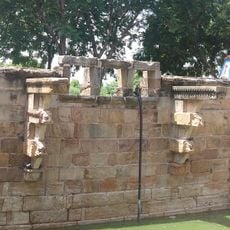
Lothal, Indus Valley Civilization archaeological site in Gujarat, India
Lothal is an archaeological site from the Indus Valley Civilization in Ahmedabad district, Gujarat. The layout shows foundations of brick houses, a rectangular dockyard area, and channels that once diverted water from a nearby river.
The town arose around 2400 BCE at the confluence of two rivers and developed into a trading port. Excavations in the 1950s uncovered seals, weights, and pottery that document connections to distant regions.
Lothal means "mound of the dead" in Gujarati, the same meaning as Mohenjo-daro in Sindhi; villagers near Saragwala knew of the buried town and human remains long before 1954. Boats could still sail up to the mound as late as 1850, and in 1942 timber was shipped from Broach to Saragwala via the mound. The Archaeological Museum beside the excavated area holds one of India's largest collections of Harappan antiquities.
The terrain is mostly flat and easy to walk when the weather is dry. The adjacent museum displays finds and provides explanations about daily life in the port settlement.
Researchers found remains of rice husks that count among the oldest evidence of rice cultivation in the region. The dockyard used a system of sluices that regulated water level with changing tides.
The community of curious travelers
AroundUs brings together thousands of curated places, local tips, and hidden gems, enriched daily by 92,356 contributors worldwide.