South India, Geographic region in southern India.
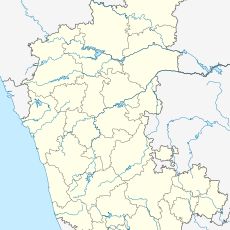
The southern part of India covers the states of Tamil Nadu, Karnataka, Kerala, Andhra Pradesh, and Telangana, along with coastal areas facing the Arabian Sea and the Bay of Bengal. The terrain shifts between tropical coastlines dotted with palms, densely forested hills, arid plateaus, and rice paddies stretching for hundreds of kilometers.
The Chola, Pandya, and Chera kingdoms ruled these lands for centuries, establishing trade links reaching as far as Southeast Asia. Later arrivals included Muslim sultanates and Portuguese traders, followed by Dutch and British colonial administrations that reshaped coastal layouts and political borders.
People here speak mainly four languages – Tamil, Telugu, Malayalam, and Kannada – switching depending on the state, which you hear in songs, street signs, and daily conversations. Classical dance forms like Bharatanatyam and Kathakali are performed in temples and during festivals, women often wear silk saris, and rice forms the base of most meals.
The climate is warm and humid throughout the year, with monsoon rains arriving in some areas from June to September and again from October to December. Light cotton or linen clothing is practical, along with an umbrella or thin rain jacket during wet periods.
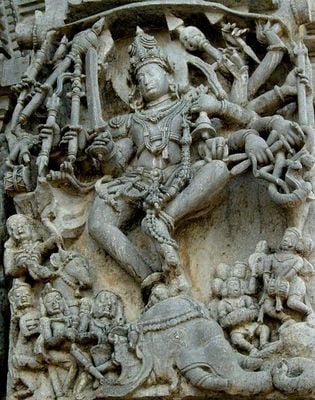
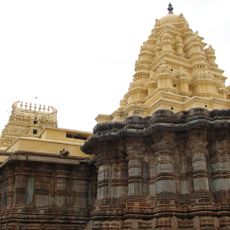
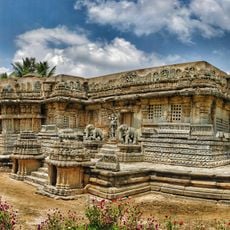
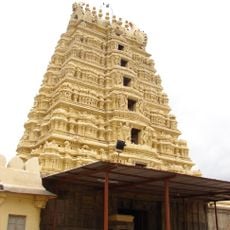
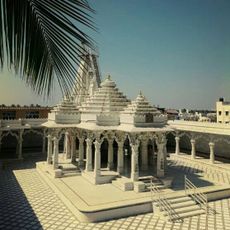
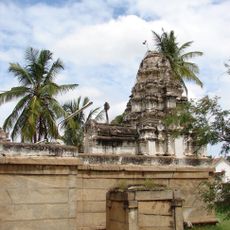
Temple towers called gopurams often rise over 50 meters (165 feet) high, covered layer by layer with colored sculptures depicting gods, demons, and animals. This style of architecture differs sharply from the flatter, more symmetrical temples found in northern regions, shaping the skyline of many towns and villages.
The community of curious travelers
AroundUs brings together thousands of curated places, local tips, and hidden gems, enriched daily by 92,080 contributors worldwide.