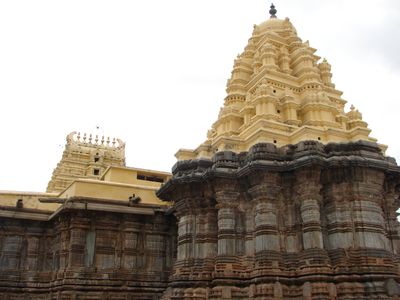
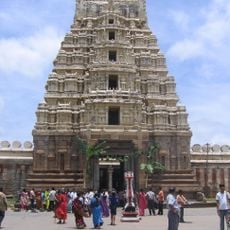
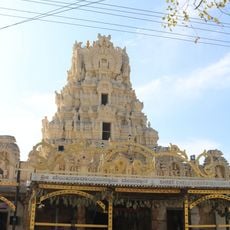
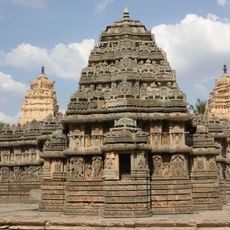
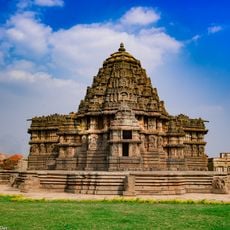
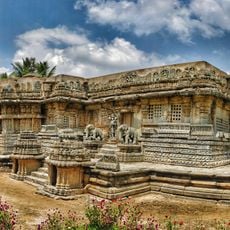
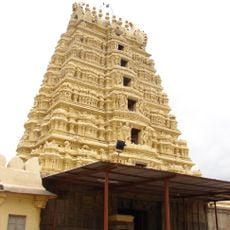
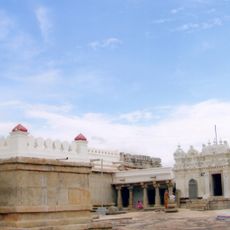
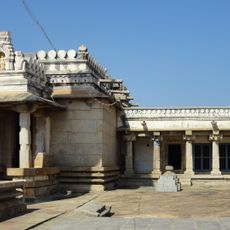
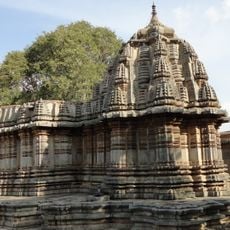
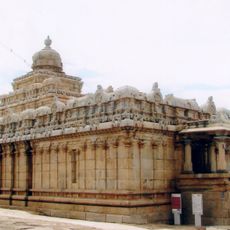
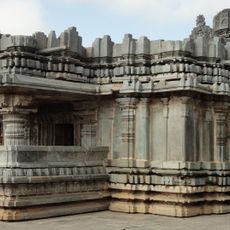
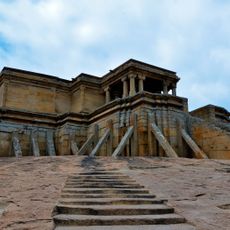
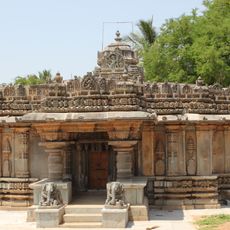
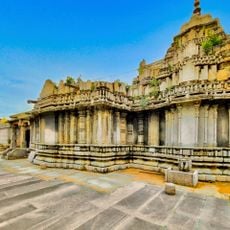
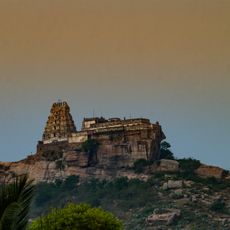
Nagamangala, Temple town in Mandya district, Karnataka, India
Nagamangala is a town in Karnataka situated at approximately 772 meters elevation with clear highway connections via NH-150A and SH-85 that make it accessible to nearby regions. The settlement is organized around its temples and residential areas, with roads linking these spaces through the compact urban layout.
A legend traces the town's name to a Lohita clansman who dreamt of a termite mound sheltering a deity and saw a cobra circling it, giving Nagamandala, later Nagamangala. A Ganga-period inscription was found here, and in 1135 Queen Bommaladevi, wife of Vishnuvardhana, restored the agrahara. The Lohita chiefs ruled until the 17th century; Jaiyida Nayaka built the inner fort around 1270, and the town passed to the Odeyars in 1630.
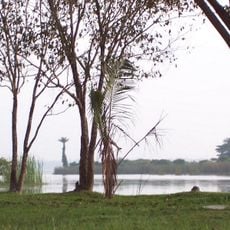
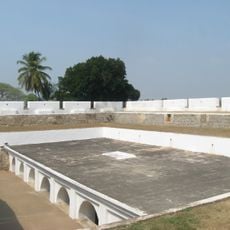
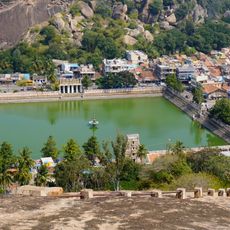
The town's name is said to come from nagamandala, after a serpent seen circling the deity in a dream. Brass work and bronze image making are local specialties, and a weekly market is held every Friday. The temple tank near the town, about 18 m across and 0.9 m deep, was built by Jagadevaraya for water sports, with a pavilion in its middle.
Access to the town is primarily by road, with the nearest railway station at B.G. Nagar located about 17 kilometers away. Visitors should plan travel using buses or private vehicles, as direct train connections are not available.
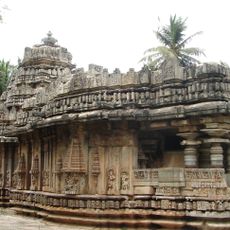
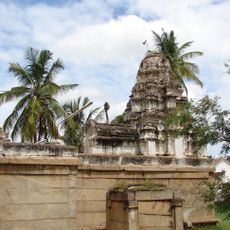
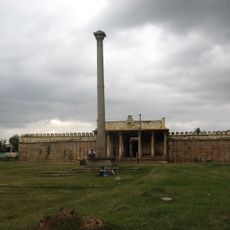
The town's name is said to come from a dream in which a Lohita dynasty man saw a serpent circling a termite mound containing a deity; the place was first called Nagamandala, later Nagamangala. A 16.8-metre garuda pillar stands in front of the Saumyakeshava temple.
The community of curious travelers
AroundUs brings together thousands of curated places, local tips, and hidden gems, enriched daily by 93,917 contributors worldwide.