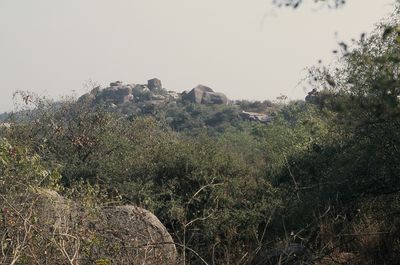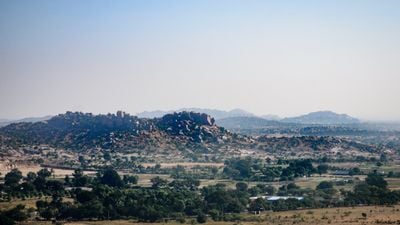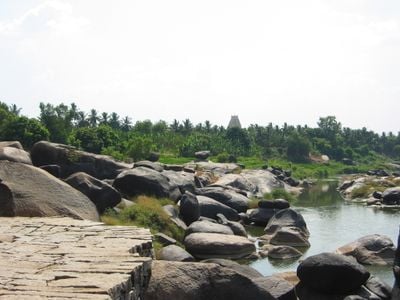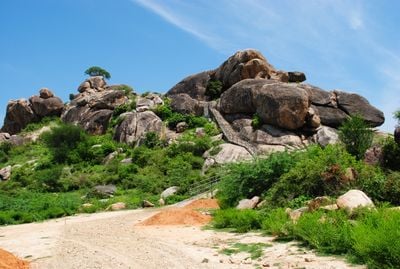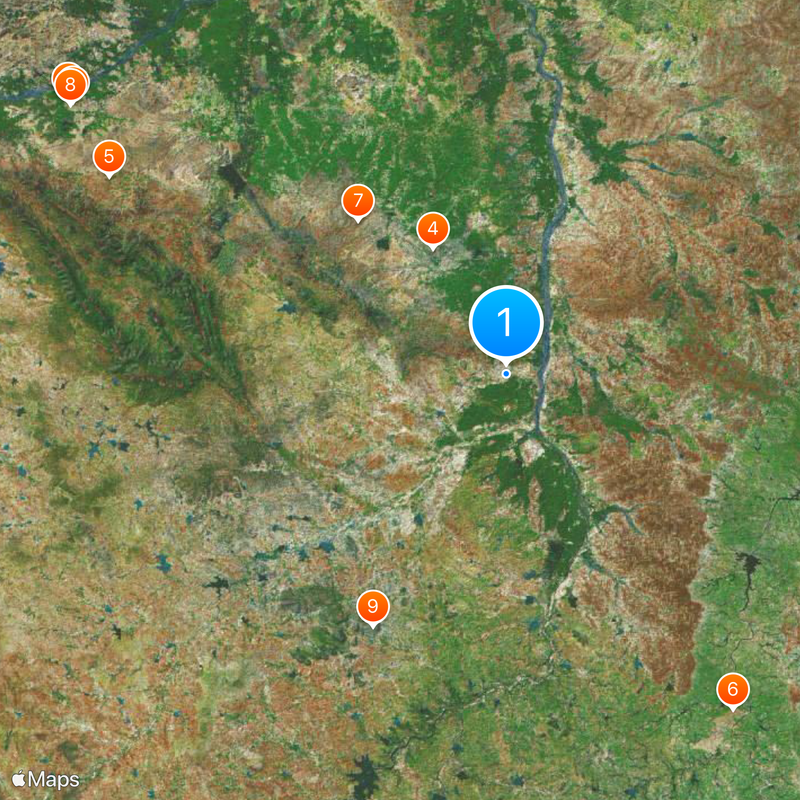
Deccan Plateau, Plateau in South India.
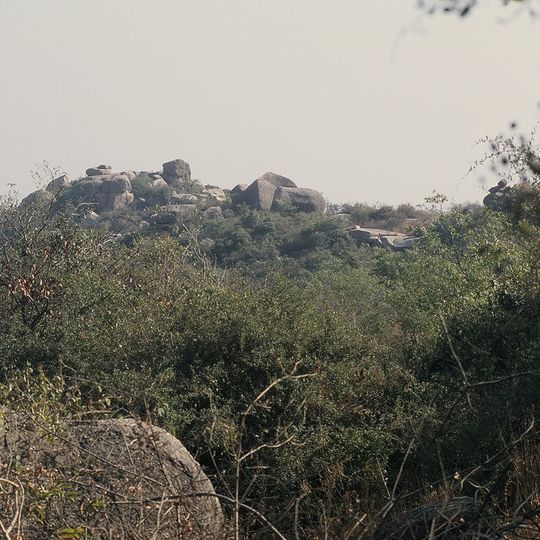
The Deccan Plateau spreads across much of southern India, covering an expansive area marked by basalt rock formations that trace back to ancient volcanic activity. The upland sits at an average elevation of around 600 meters (about 2000 feet) and is bounded by mountain ranges that separate it from the coastal plains.
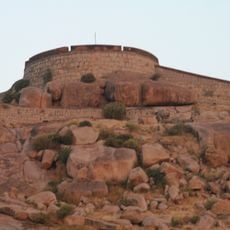
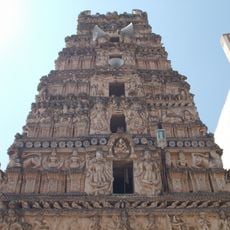
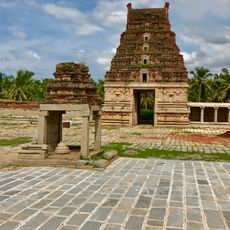
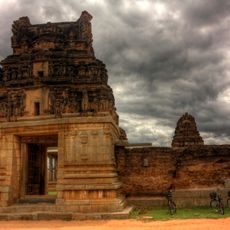
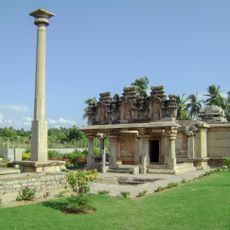
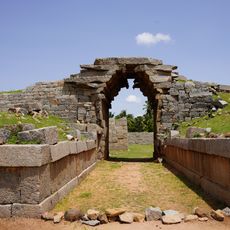
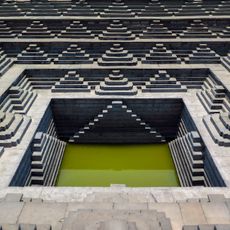
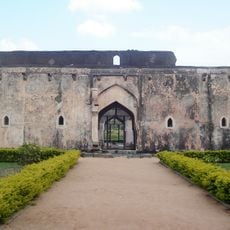
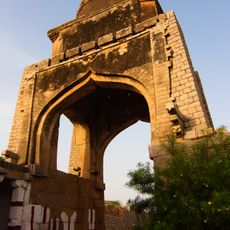
During the medieval era, the upland served as the seat of numerous kingdoms that flourished on the fertile soils and trade routes passing through the region. Rulers built temples, fortifications, and cities that still bear witness to the power and reach of these dynasties.
Local markets across the upland display a lively exchange of spices, handwoven textiles, and crops grown on the red and black soils that have shaped daily life for centuries. Villages celebrate harvest festivals and religious ceremonies with music and dance, blending the linguistic and cultural traditions of the communities who call this region home.
The best months to visit fall between October and March, when temperatures are milder and the landscape turns green after the monsoon rains. Travelers should bring layers, as the elevation makes mornings and evenings cooler than the midday heat.
The volcanic soils formed from the breakdown of basalt rank among the most fertile in the world and support large-scale cotton and pulse farming across the region. This deep black earth holds moisture well and allows two harvests per year in many areas.
The community of curious travelers
AroundUs brings together thousands of curated places, local tips, and hidden gems, enriched daily by 92,044 contributors worldwide.