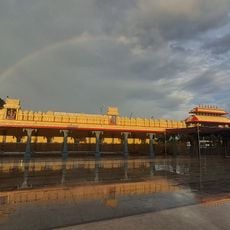
Pulicat Lake, Saltwater lagoon in Andhra Pradesh and Tamil Nadu, India
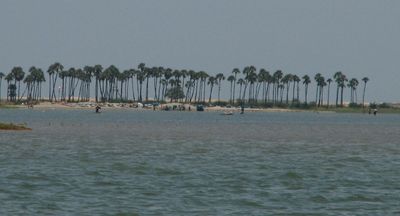
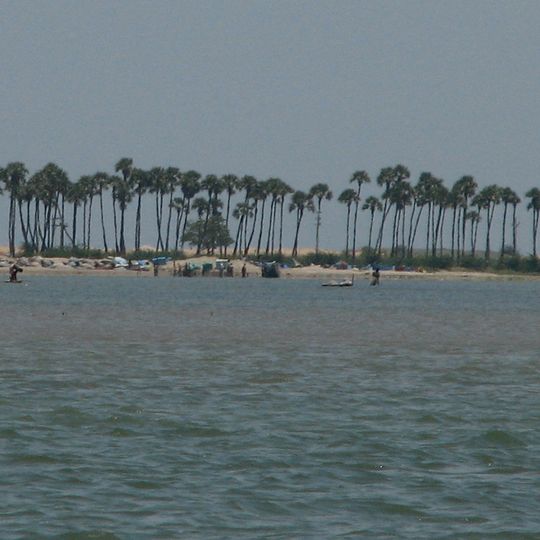
Pulicat Lake is a brackwater lagoon on the coast of Andhra Pradesh and Tamil Nadu that spans two states. The shallow water body connects to the Bay of Bengal through a narrow opening and forms a sprawling system of islands and channels.
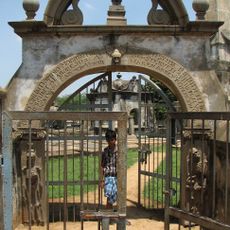
European traders arrived in the 16th century and built trading posts along its shores. The Dutch later constructed Fort Geldria and controlled commerce in the region for more than a century.
The lagoon's name comes from Pallaicatta, as the Dutch called Pulicat during their occupation. Streets with dilapidated masonry houses once occupied by Arab Muslims, who migrated to the shores in the 13th century after being banished from Mecca, are still found in the area, and resident families claim records in Arabic testifying to the migration. The fishing village of Pulicat sits at the south end of the lake.
The area can be reached via National Highway 16 from Chennai, with nearby railway stations offering connections. The Buckingham Canal runs parallel to the lagoon and provides additional access points along the shore.
The lagoon produces both salt and prawns in its shallow waters, making it a place where salt harvesting and fishing coexist. During winter months, migratory birds like flamingos and pelicans arrive and turn the water into a temporary bird sanctuary.
The community of curious travelers
AroundUs brings together thousands of curated places, local tips, and hidden gems, enriched daily by 94,070 contributors worldwide.