See the monuments around you in AROpen chests in the app
Around Us is built for your phone — point your camera at the streets and discover the monuments and places around you in augmented reality.Around Us is built for your phone — chests unlock when you walk, explore and capture nearby places.
Andhra Pradesh: temples, Buddhist sites and coasts in the south of India
Andhra Pradesh, a state in southern India along the Gulf of Bengal, holds places that tell long stories of belief and nature. There are old Hindu temples like Tirupati, one of the most visited pilgrimage spots in the country, and the Buddhist caves of Undavalli, carved into the rock more than 1500 years ago. The hills inland, covered in forests, stand in contrast to the beaches and bays of the coast, where port towns like Visakhapatnam mix shipping and city life.
This collection brings together around thirty sites that show the variety of the area. Some, like the rocks of Borra Caves, reveal geological changes made over thousands of years. Others, like mountain shrines or river deltas, show how local communities shaped their land. Each place offers a different view of this region where religious beliefs, historical memories, and landscapes meet.
Andhra Pradesh: temples, Buddhist sites and coasts in the south of India
Andhra Pradesh, a state in southern India along the Gulf of Bengal, holds places that tell long stories of belief and nature. There are old Hindu temples like Tirupati, one of the most visited pilgrimage spots in the country, and the Buddhist caves of Undavalli, carved into the rock more than 1500 years ago. The hills inland, covered in forests, stand in contrast to the beaches and bays of the coast, where port towns like Visakhapatnam mix shipping and city life.
This collection brings together around thirty sites that show the variety of the area. Some, like the rocks of Borra Caves, reveal geological changes made over thousands of years. Others, like mountain shrines or river deltas, show how local communities shaped their land. Each place offers a different view of this region where religious beliefs, historical memories, and landscapes meet.
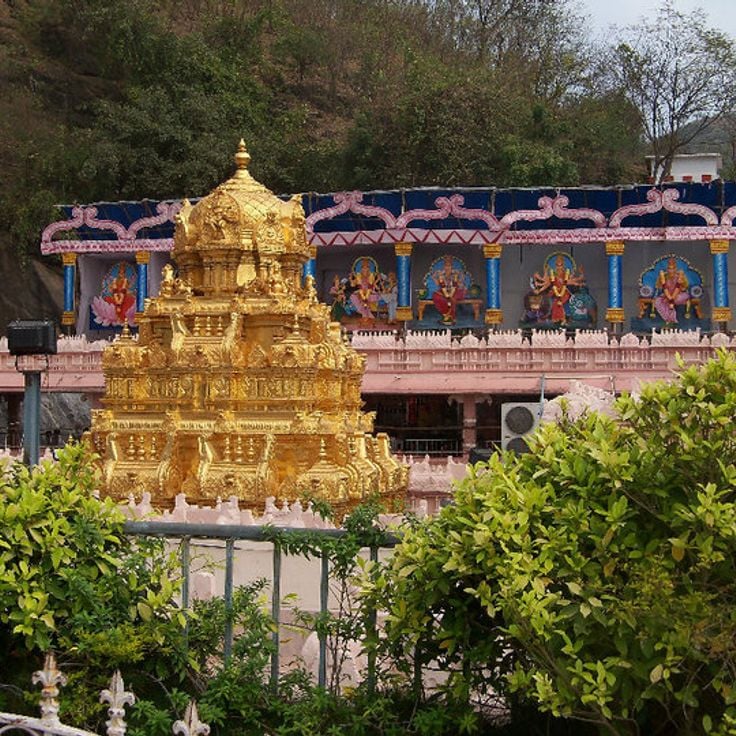
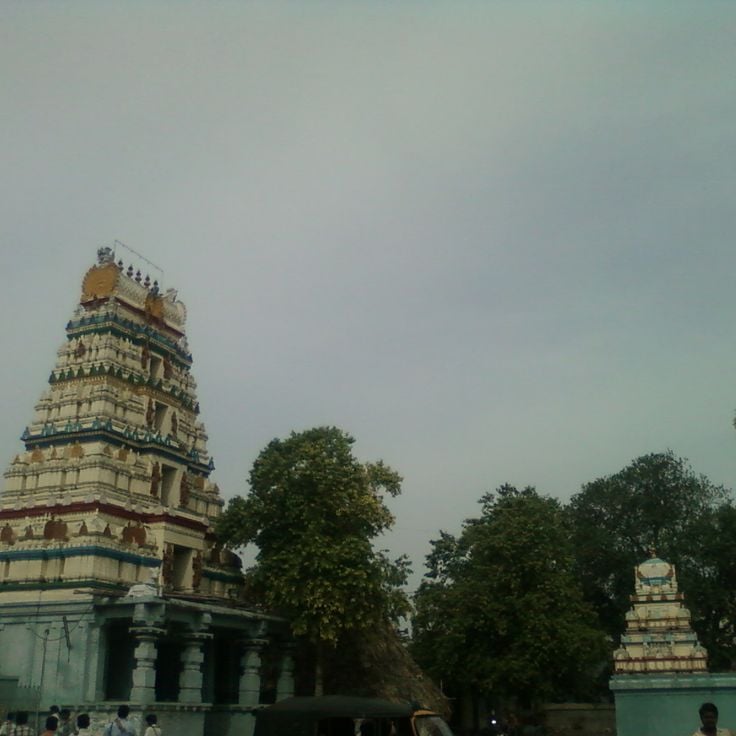
The Kanaka Durga Temple sits on an island in the Krishna River at Vijayawada and is a major Hindu temple dedicated to the goddess Durga. The temple draws pilgrims from across the region and serves as an important place of faith for many visitors. Its location along the river makes it a special site where religious practice and nature meet.
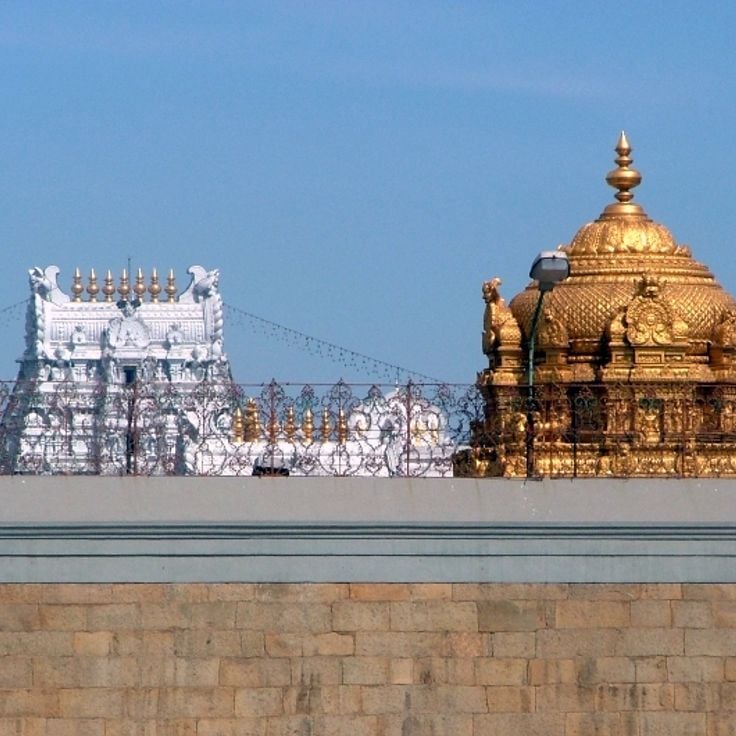
The Temple of Venkateswara sits on the hills of Tirumala and is one of the most important sanctuaries in South India. This Hindu temple draws visitors from across the region who come to pray and experience the spiritual life of the place. The temple displays the architectural tradition of South Indian temple building with its distinctive features. Many people visit this site throughout the year to participate in rituals and watch religious ceremonies.
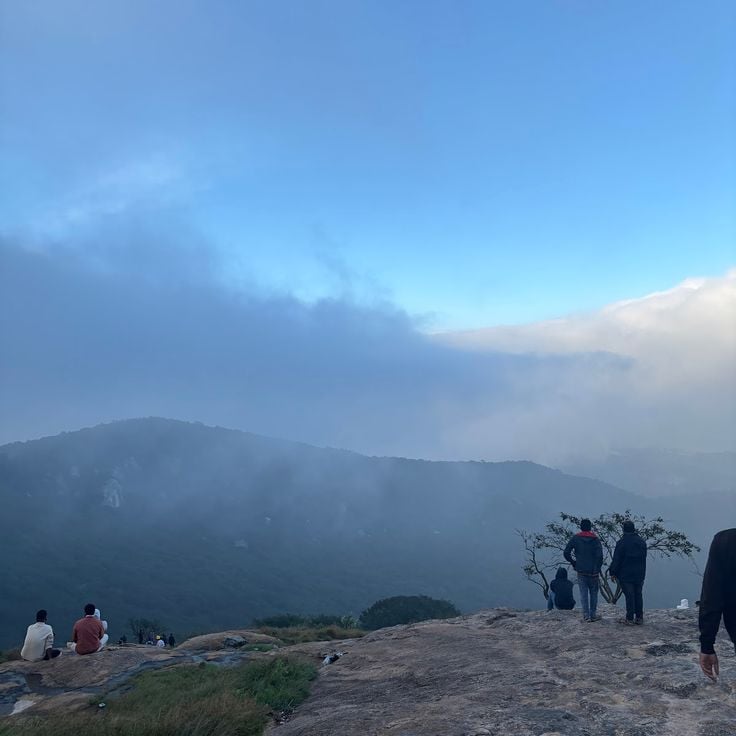
The Tirumala Hills rise above Tirupati as sacred mountains that have served as a religious center for centuries. People walk along trails that wind through the forested slopes, stopping at viewpoints to look out over the surrounding landscape. The hills are deeply connected to the famous Tirupati Temple, and visitors come here to experience the spiritual character of the place and to understand the role these mountains play in the region's religious life.
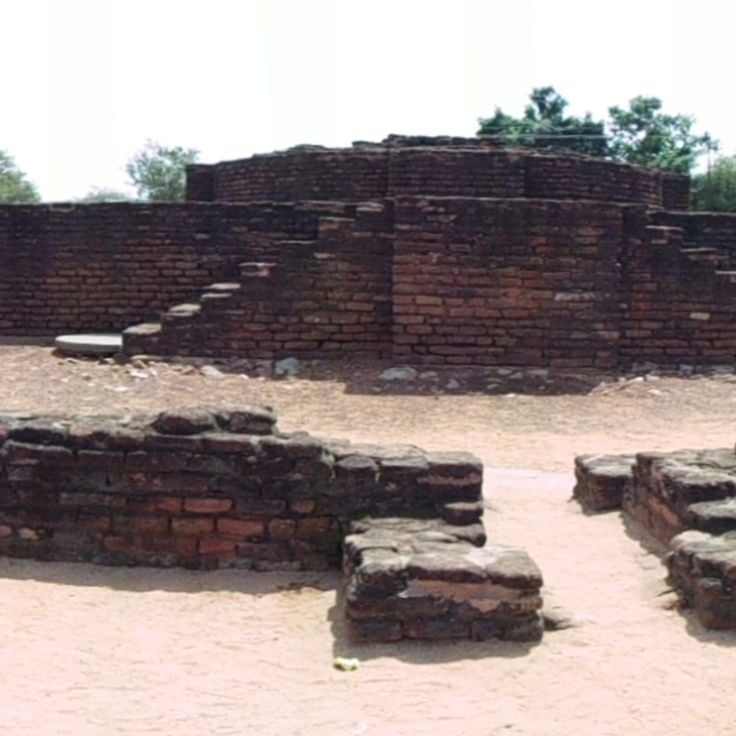
The Buddhist site of Amaravati is an archaeological location that shows the historical importance of Buddhism in this region. Excavations have uncovered the remains of a large monastery and a stupa dating back centuries. This site connects to the broader history of Andhra Pradesh, where Buddhist traditions have long coexisted with Hindu temples and natural landscapes. Amaravati offers insight into the spiritual past of this southern Indian state.
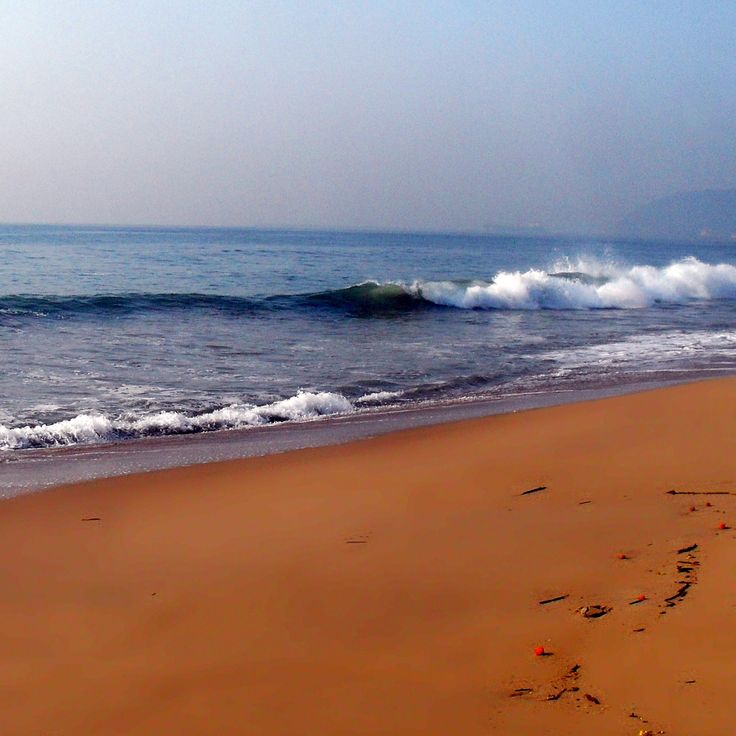
RK Beach in Visakhapatnam is a coastal stretch that faces the waters of the Bay of Bengal. The beach sits within the city and serves as a place where locals and visitors come to spend time by the sea. Harbor activity and daily life blend together here, with fishing boats and the rhythm of a working port visible from the shore.
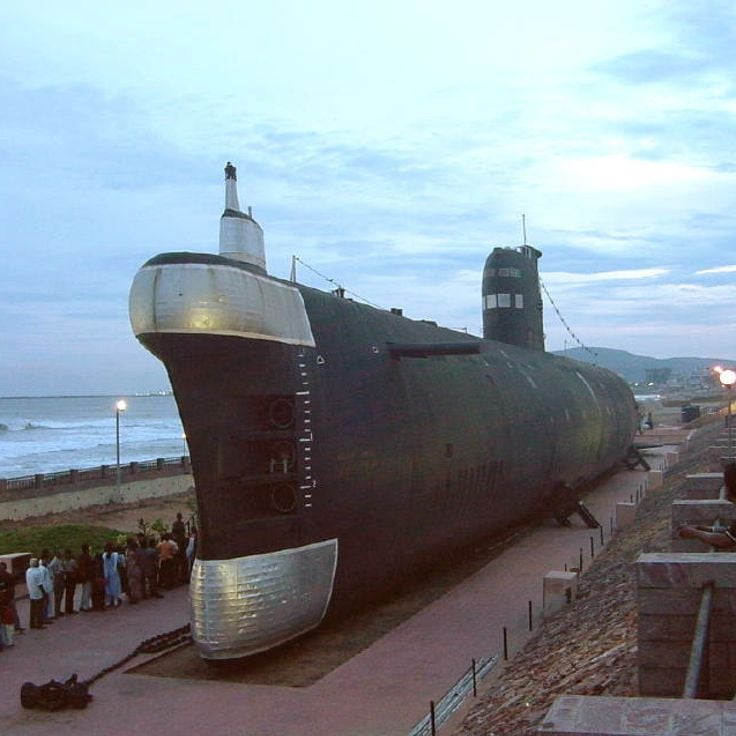
The Submarine Museum in Visakhapatnam tells the story of Indian naval history. Housed inside the actual warship INS Kursura, this museum lets visitors walk through the vessel and see how sailors lived and worked on board. You can explore tight corridors, view control panels, and learn about the role this ship played in India's maritime past.
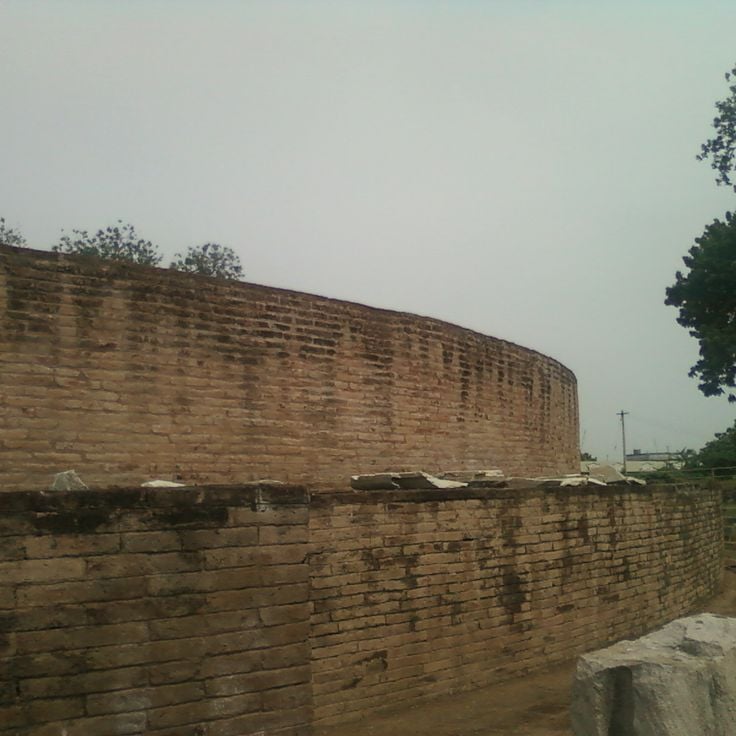
The Stupa of Amaravati preserves the remains of an ancient Buddhist sanctuary and reflects the significance Buddhism held in this region. It contributes to the larger story found throughout Andhra Pradesh, where religious traditions, ancient sites, and historical memory intersect. This place shows how different beliefs and cultures coexisted in this southern Indian state.
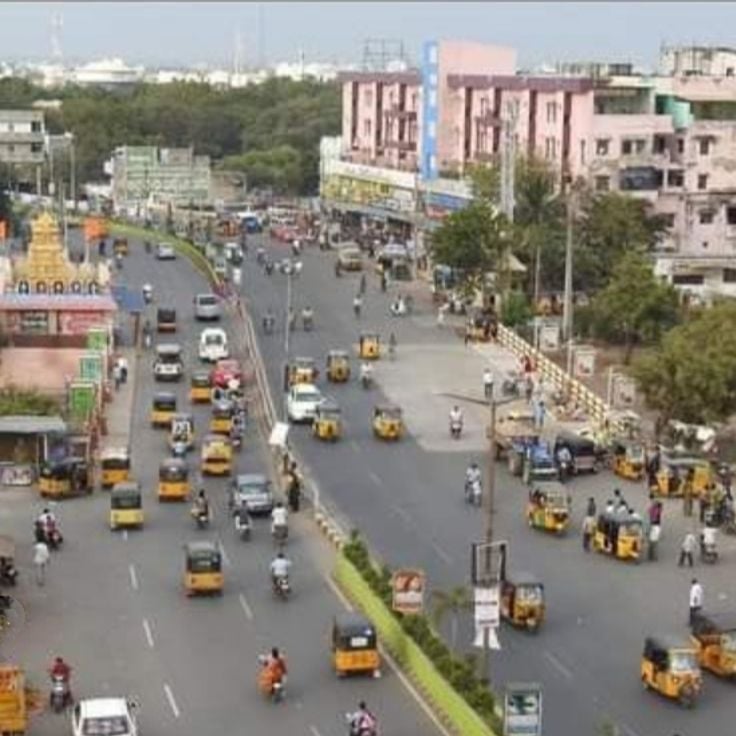
Vijayawada serves as the economic and cultural center of the Godavari Delta and holds significant importance within Andhra Pradesh. The city connects commercial activity with religious meaning, as it sits along the Godavari River, which holds sacred value in Hindu tradition. Vijayawada demonstrates how local communities have shaped their relationship with rivers and the land over centuries, reflecting the diversity this collection documents through sites that interweave religious traditions, historical memory, and varied landscapes.
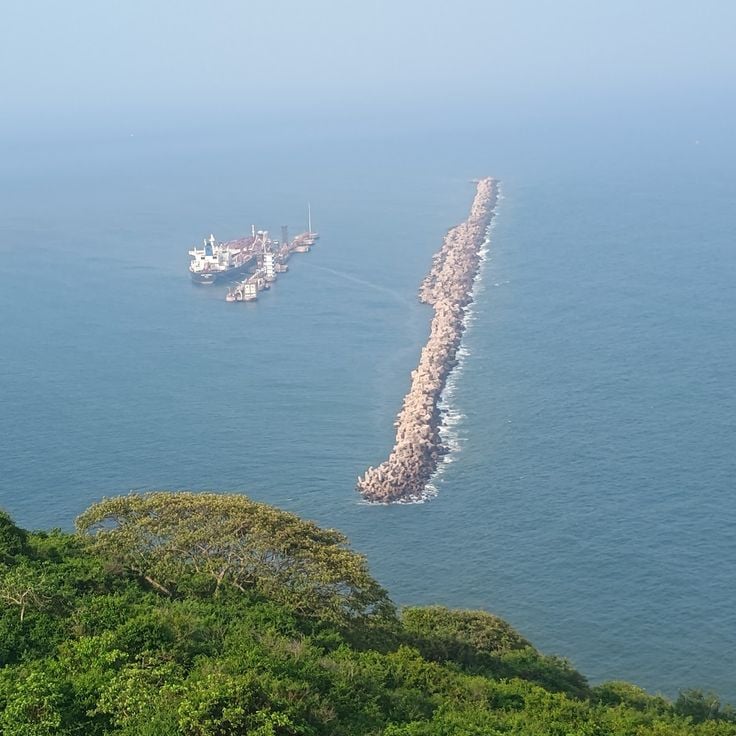
Nose of the Dolphin near Visakhapatnam is a rocky coastal point offering views across the ocean and the surrounding hills. This location sits in Andhra Pradesh, a state in southern India that holds ancient temples, Buddhist caves carved into rock over 1500 years ago, and diverse coastlines. The rocky landscape here reveals how natural forces have shaped the shoreline over time. From this viewpoint, you can take in the region's variety: the sea meeting green hills, and the nearby port city blending maritime activity with urban life.
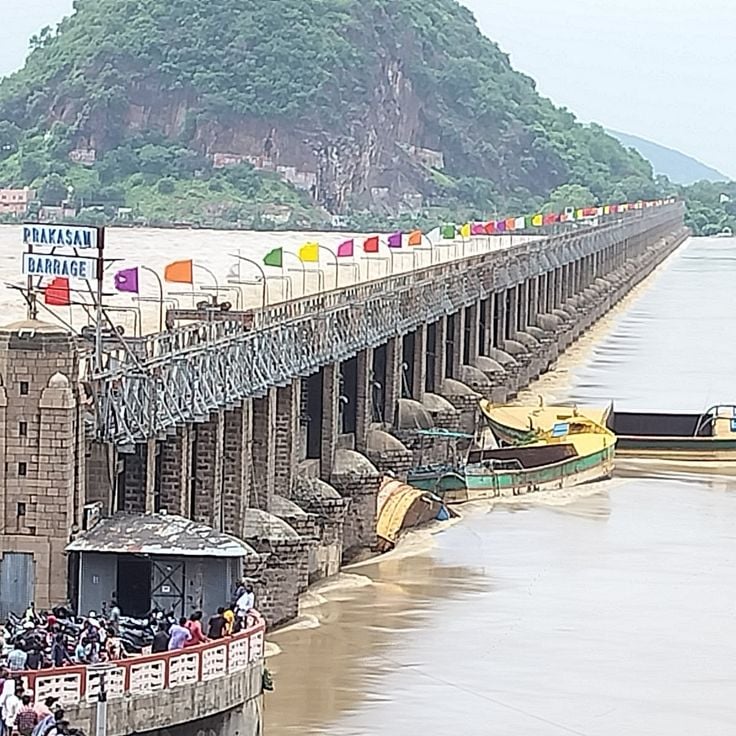
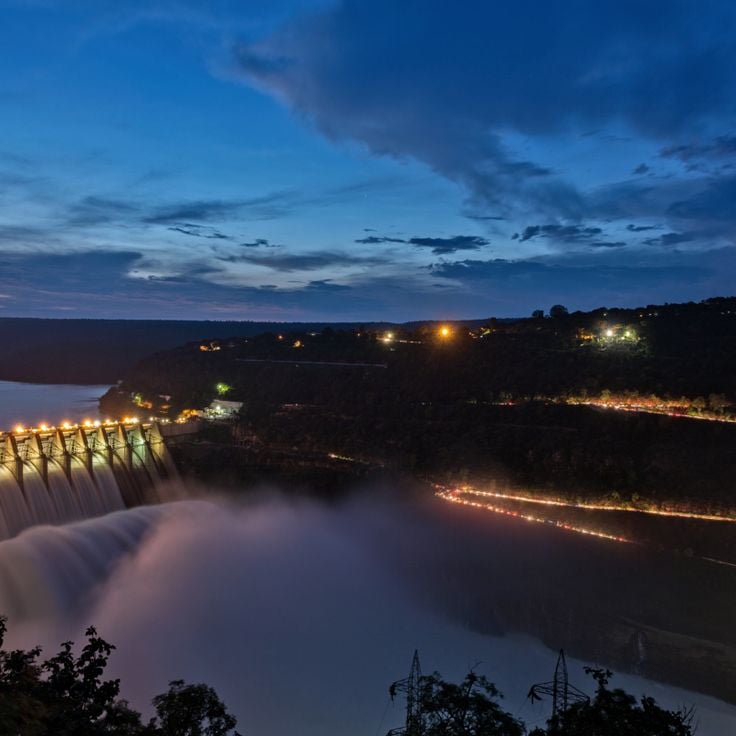
The Prakasam Barrage is a historical dam across the Krishna River near Vijayawada. It was built to store water for irrigation and electricity generation. The dam creates a large reservoir that stretches across the landscape. People come here to walk along the structure and look out over the water. The surroundings show how communities have used the natural river for their needs. There are green spaces and walking paths nearby. The barrage is a place where engineering and nature meet.
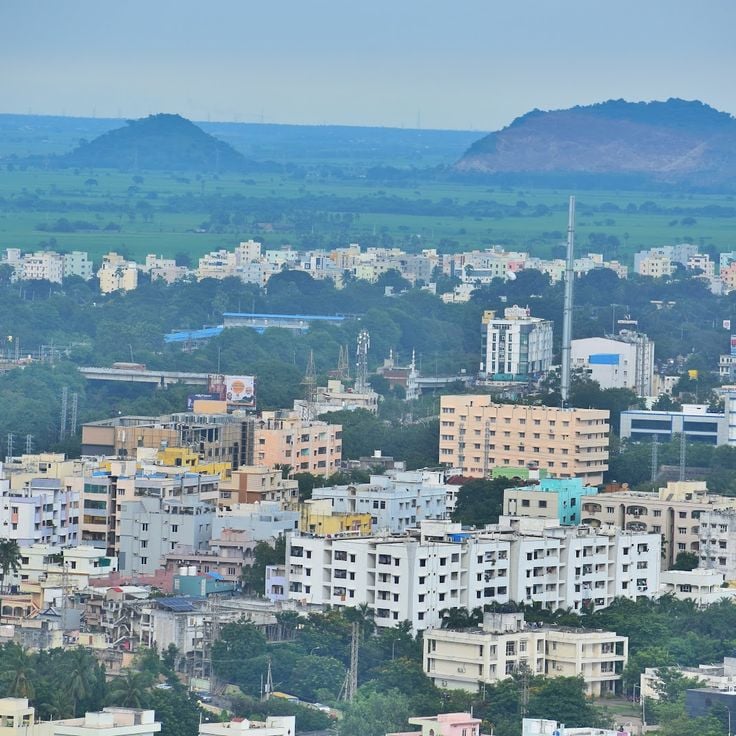
Visakhapatnam is a port city on the coast of Andhra Pradesh where maritime activity and urban life intersect. The city sits between bays and beaches that line the Bay of Bengal. Hills rise in the hinterland, breaking up the flat coastal landscape. Visakhapatnam serves as a major port and hub for the region's trade and fishing industries. Visitors find here a blend of harbor operations, local markets, and various attractions that reflect the history and daily life of this coastal area.
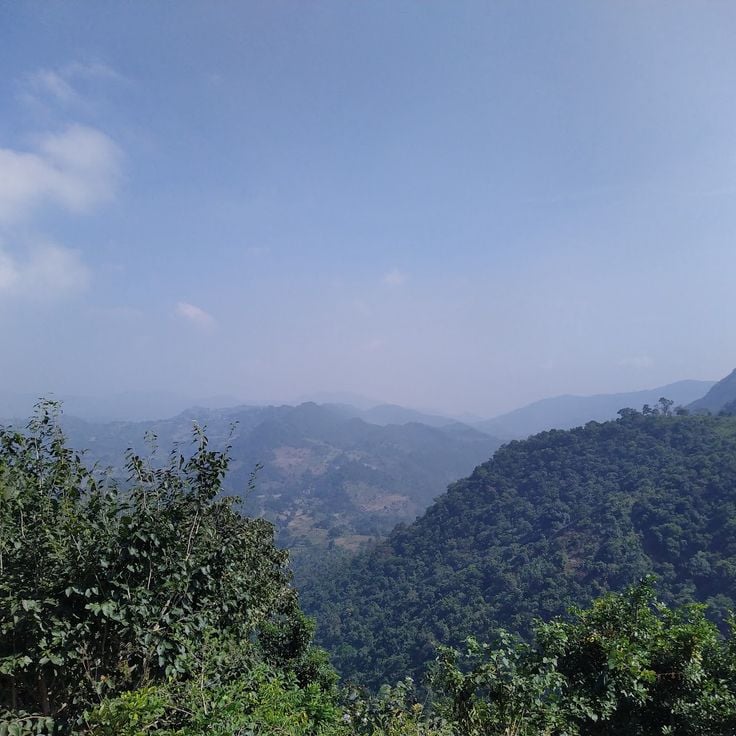
The Ananthagiri Hills near Araku show how the forest landscapes of the Eastern Ghats draw people seeking time among trees and streams. Paths cut through thick woodland, where light filters between branches and the air stays cool and damp. Waterfalls tumble over rocks, filling the space with sound. This is a place where you feel the rhythms of nature and understand why these forests matter to the region.
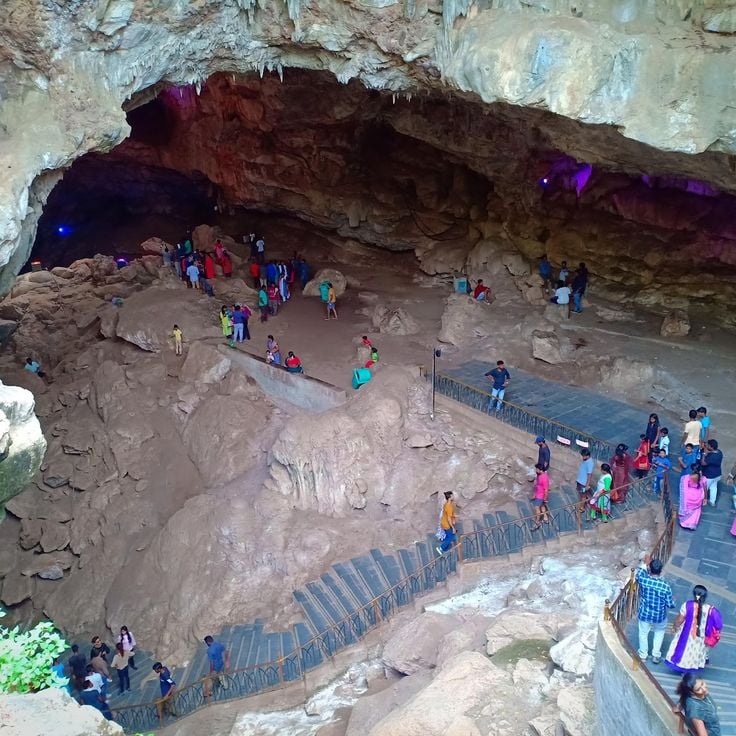
Borra Caves is an underground limestone formation that developed over millions of years. Inside, stalactites and stalagmites grow slowly from dripping water, creating stone formations of different shapes and sizes. The caves sit in the forests of Araku and show how natural processes shape landscapes over time. Visitors walk through narrow passages and see chambers filled with these mineral deposits. The caves are cool and damp, with light filtering through natural openings in the rock. This site demonstrates the geological history found throughout Andhra Pradesh.
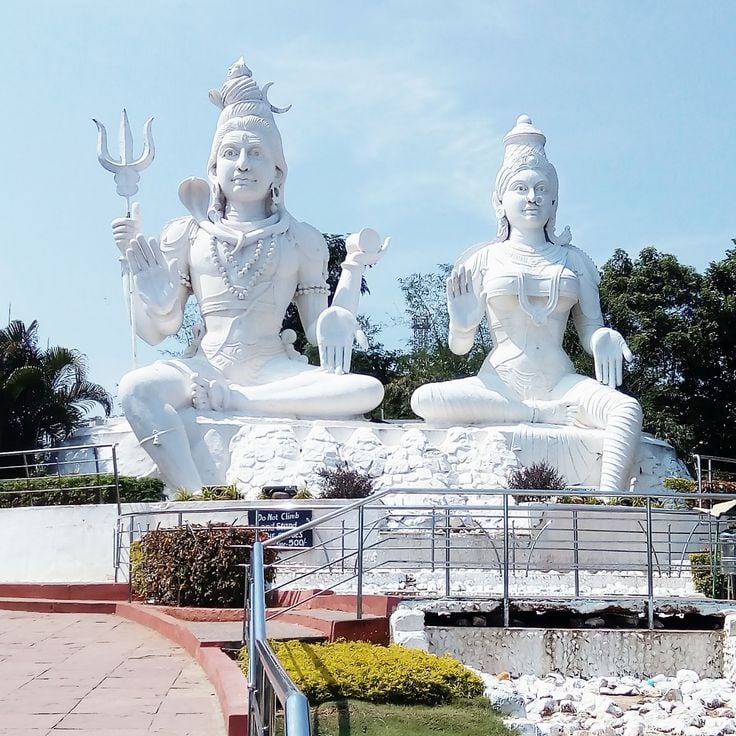
Kailasagiri Hill in Visakhapatnam provides views over the bay and surrounding coastal areas. Visitors hike on this hill near the city and take in the view of the sea and shoreline. The place shows how people in this region use elevated spots to observe the landscape around them.
Araku Valley is a mountainous area in Andhra Pradesh known for its coffee plantations and verdant landscapes. Located in the interior of the state, it offers a different experience from the coastal cities like Visakhapatnam. Visitors find forests, natural springs, and small villages that reflect traditional life in the region. The valley is recognized for its coffee cultivation and attracts people seeking natural surroundings.
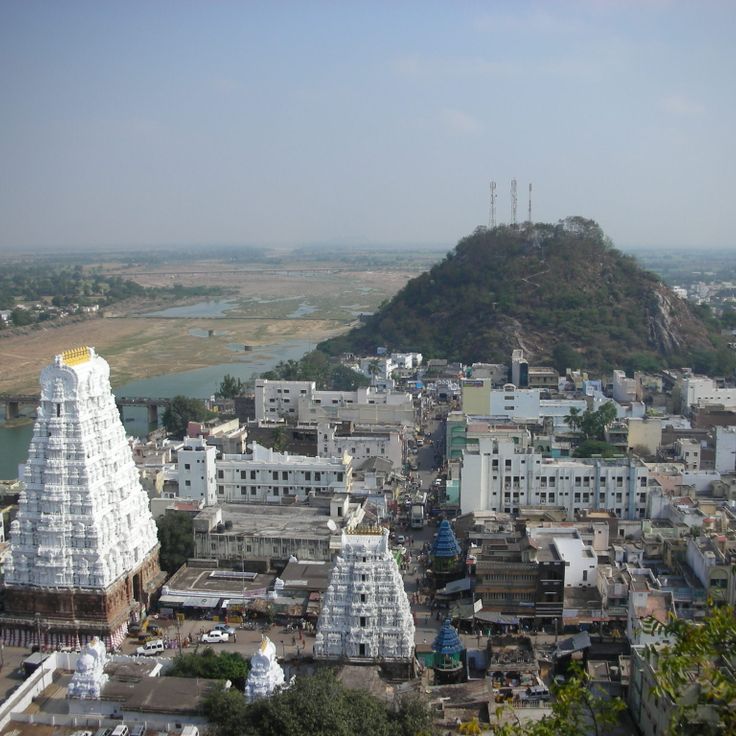
Srikalahasti is an ancient pilgrimage site in Andhra Pradesh, home to a major Shiva temple located in a sacred zone. For centuries, believers have journeyed here to pray and honor this holy place. The surroundings feature rocky outcrops and green hills that add natural character to the location. The temple itself displays the craftsmanship of earlier times with its detailed carvings and structures. Pilgrims from across India visit Srikalahasti throughout the year, especially during religious festivals and celebrations.
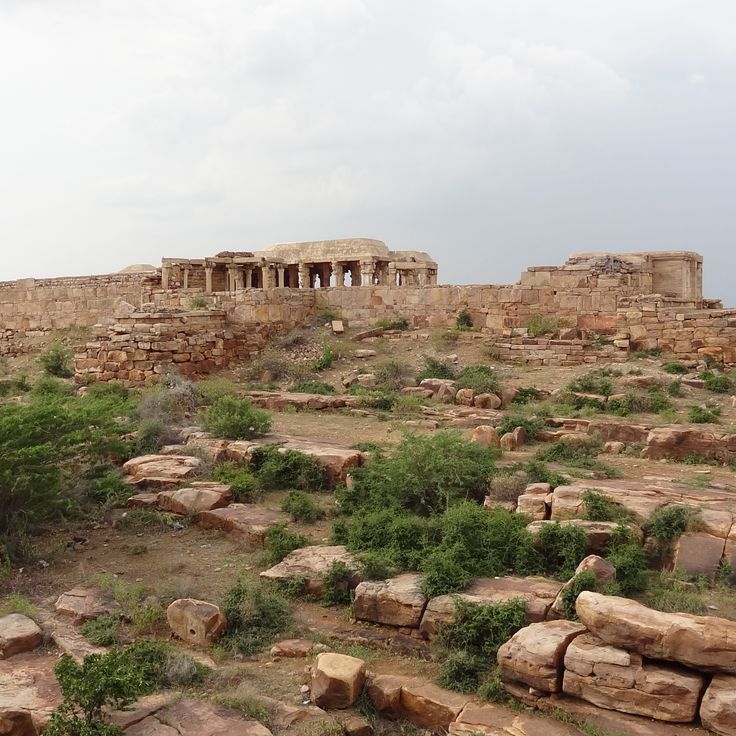
Fort Gandikota stands on a cliff overlooking the gorges of the Penna River. This fortress was built over several periods and shows how military structures were constructed at this location. The fort offers views of the river gorge and surrounding landscapes. It is one of the sites in Andhra Pradesh that reflects the military history of the region and demonstrates how strategic positions were used to control trade routes.
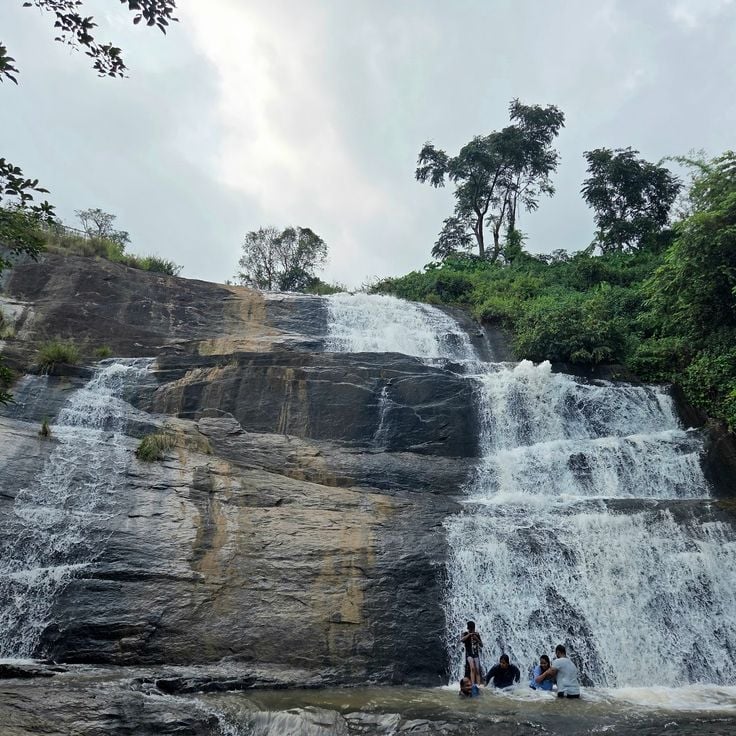
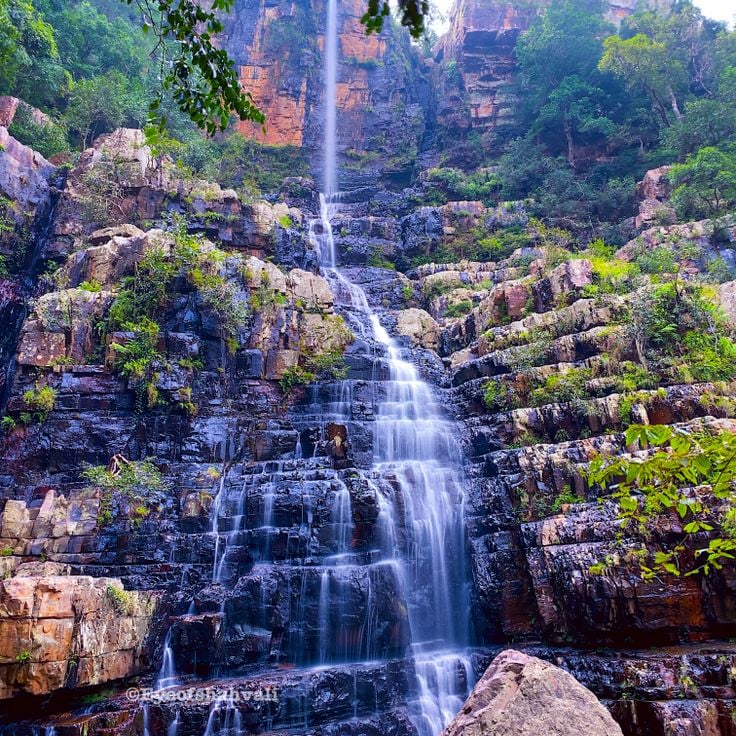
The Talakona Waterfalls near Srikalahasti are a natural retreat within a tropical forest setting, where water cascades down rocky cliffs into pools below. This location offers visitors a refreshing escape within the inland hills of Andhra Pradesh, surrounded by dense vegetation that remains largely untouched. Locals and travelers come here to swim, explore the forest paths, and experience the region's natural landscape away from the coast.
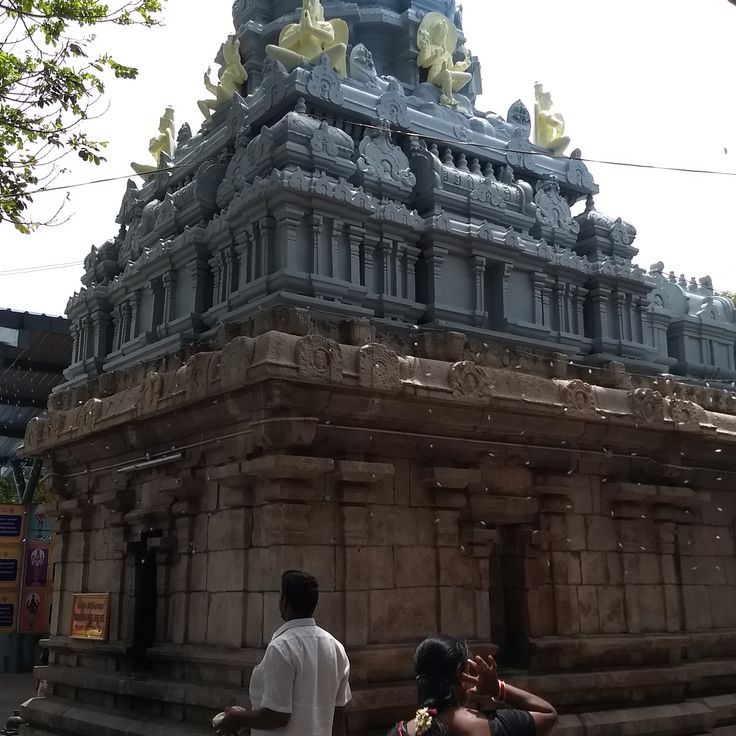
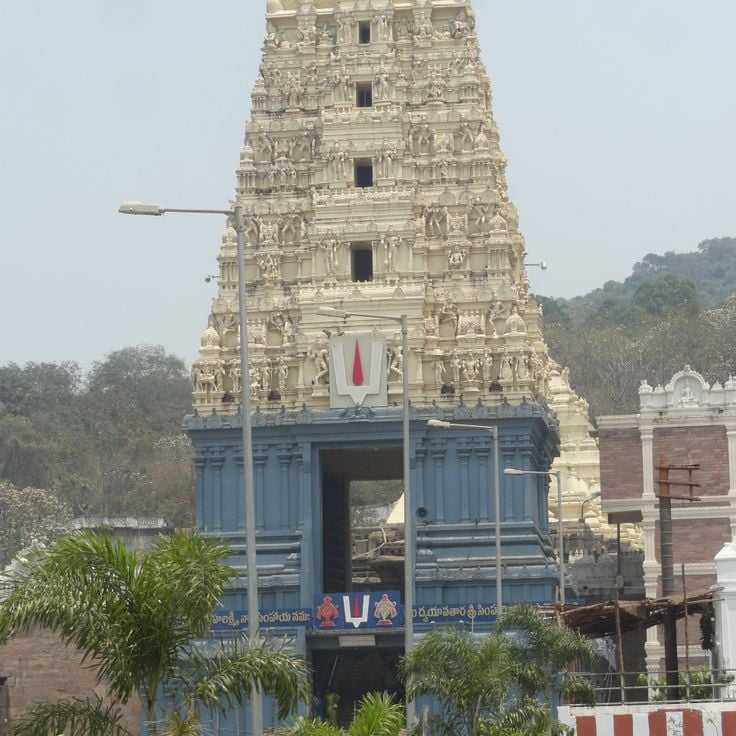
Simhachalam Temple is an ancient Hindu temple dedicated to Lord Narasimha, perched on a hill near Visakhapatnam. It represents the spiritual tradition of this region of Andhra Pradesh, where religious sites and natural landscapes intertwine. The temple has drawn pilgrims for centuries and offers visitors insight into local spiritual practices and the history of this coastal state.
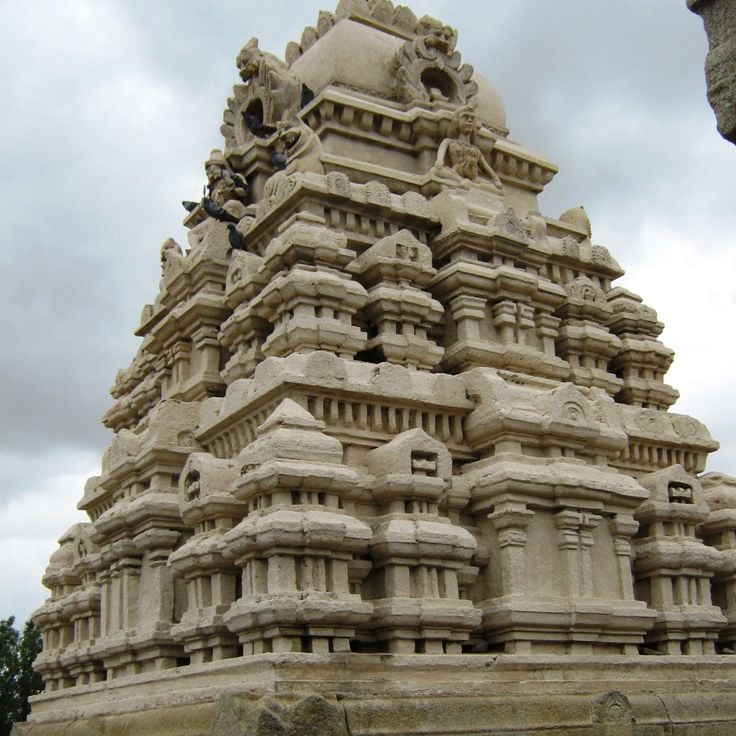
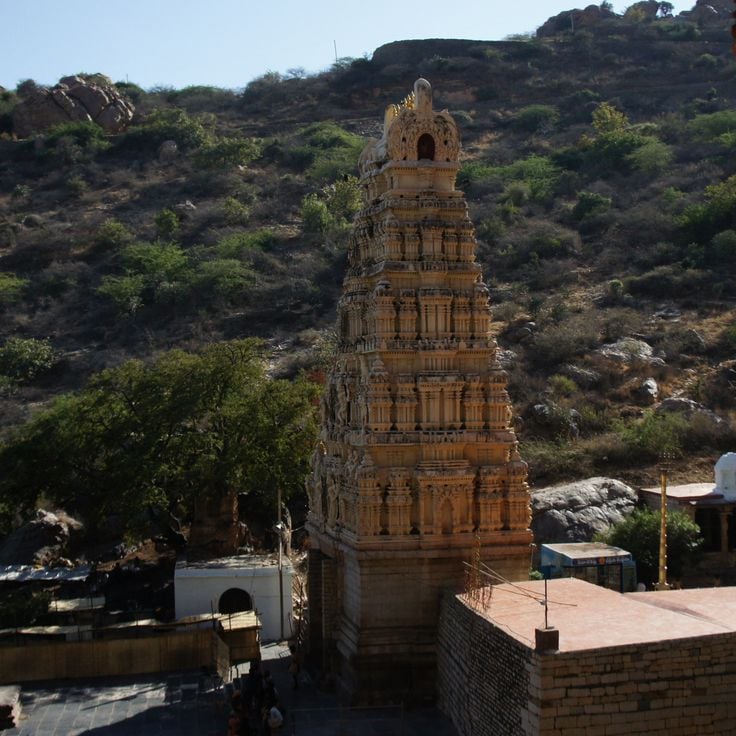
The Veerabhadra Temple Complex in Lepakshi demonstrates the architectural style of southern India. The complex features multiple structures with detailed stone carvings and painted walls. The main temple is dedicated to the god Veerabhadra. Built in the 16th century, the structures show the craftsmanship of that period. Visitors can see intricate stone work and religious imagery throughout the complex.
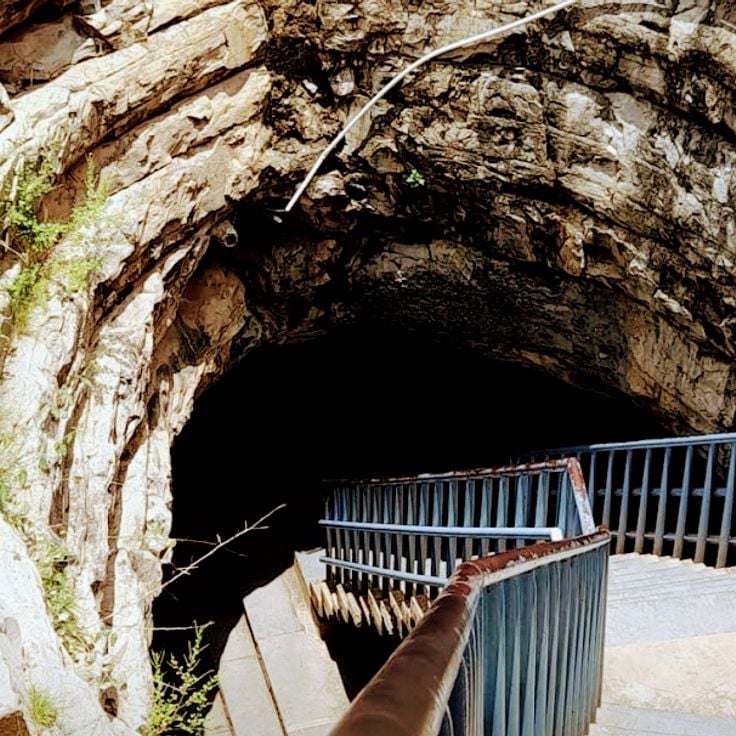
The Belum Caves are underground limestone caves among the longest in India. Located in Kurnool, they display impressive galleries and geological formations created over millennia. These caves tell the story of the natural processes that have shaped the landscape of Andhra Pradesh. Visitors can walk through the tunnel systems and explore the intricate structures carved by limestone over countless ages.
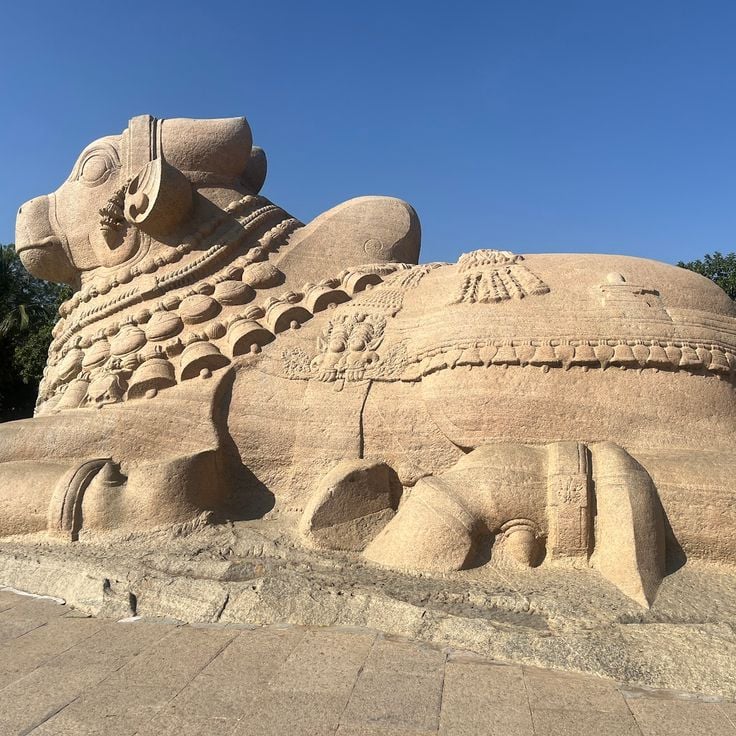
The monolithic Nandi of Lepakshi is a large bull statue carved from a single piece of stone. This figure stands in Lepakshi and demonstrates the sculptural skills of earlier times. The Nandi connects to other temples and stone sculptures in the area, which together reveal the religious history of this region.
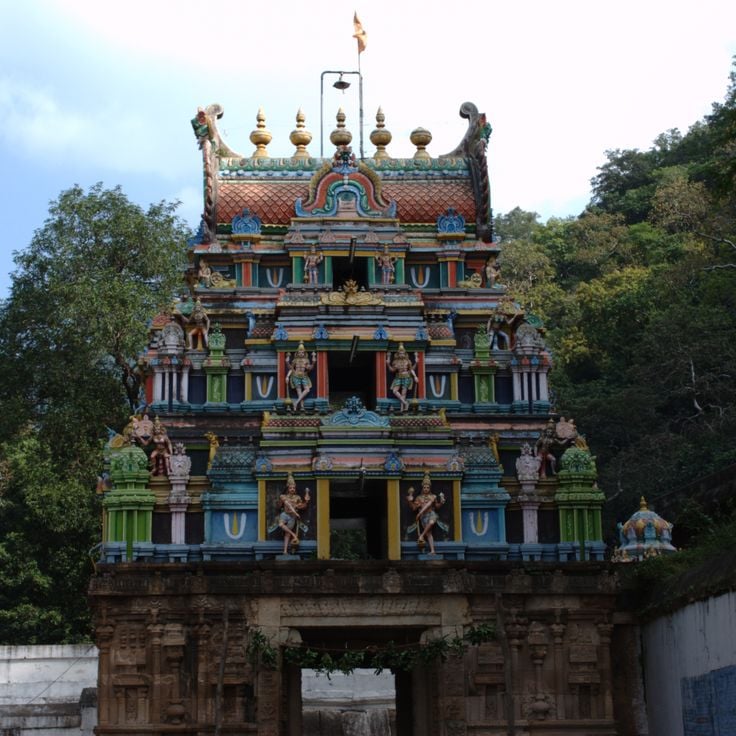
Ahobilam is a group of temples dedicated to Narasimha located within a sacred forest on a mountain. These temples spread across several locations and form an important pilgrimage site in the region. The place shows how local communities have used hillsides and forest landscapes for spiritual purposes over centuries. Ahobilam reflects the religious tradition that runs deep in this part of Andhra Pradesh.
Horsley Hills is a mountain station in Andhra Pradesh, marked by a cool climate, thick forests, and elevated viewpoints. This highland location offers a contrast to the flatter coastal regions of the state. Visitors can walk through forested paths and reach spots where the surrounding landscape spreads below them.
Yaganti is a mountain site in Andhra Pradesh where ancient caves have been carved into the rock and a temple rises from the landscape. People come here to pray and experience the history of the place. The rocks around the temple have striking shapes, and visitors walk through the caves to see old carvings. The site has been a place of worship for many centuries and continues to draw pilgrims today.
Kurnool is a historic city in Andhra Pradesh with archaeological sites that reveal centuries of human settlement. The city serves as a starting point for visitors exploring nearby caves and natural sites scattered across the region's hills and river deltas. Kurnool connects city life with access to significant geological and religious locations that form part of southern India's varied history.
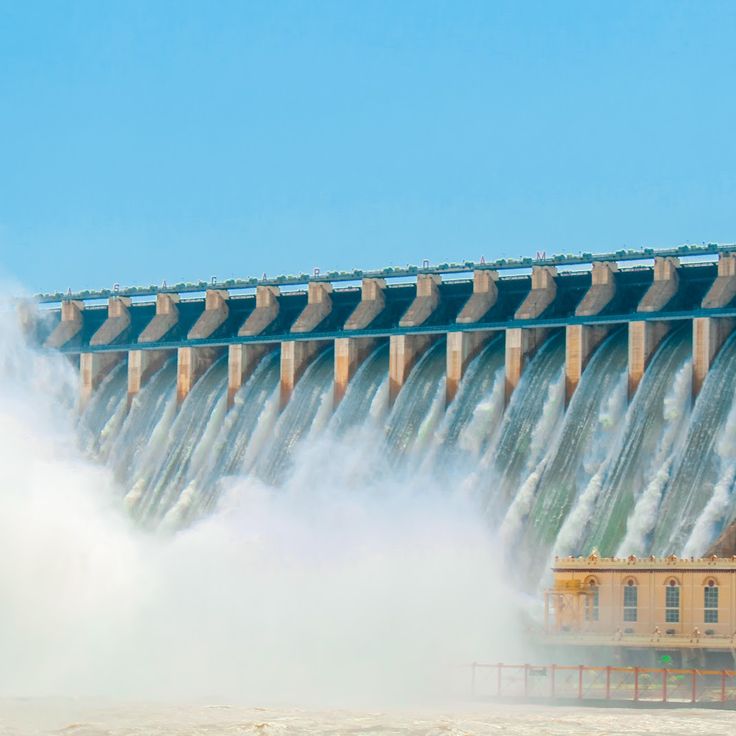
The Srisailam Dam is a major structure on the Krishna River that creates a large reservoir and shapes the surrounding landscape. The dam connects the two banks and offers views across the water toward the hills of the region. From this vantage point, you can see how human engineering integrates into the natural geography of Andhra Pradesh. The structure itself demonstrates the historical importance of water management in this area.
The Nagarjuna Sagar Dam is a large historic structure on the Krishna River in Andhra Pradesh. This dam offers panoramic views across the landscape and shows how the region manages water for irrigation and power generation. The dam connects to the history of local communities whose lives have been shaped by the river.
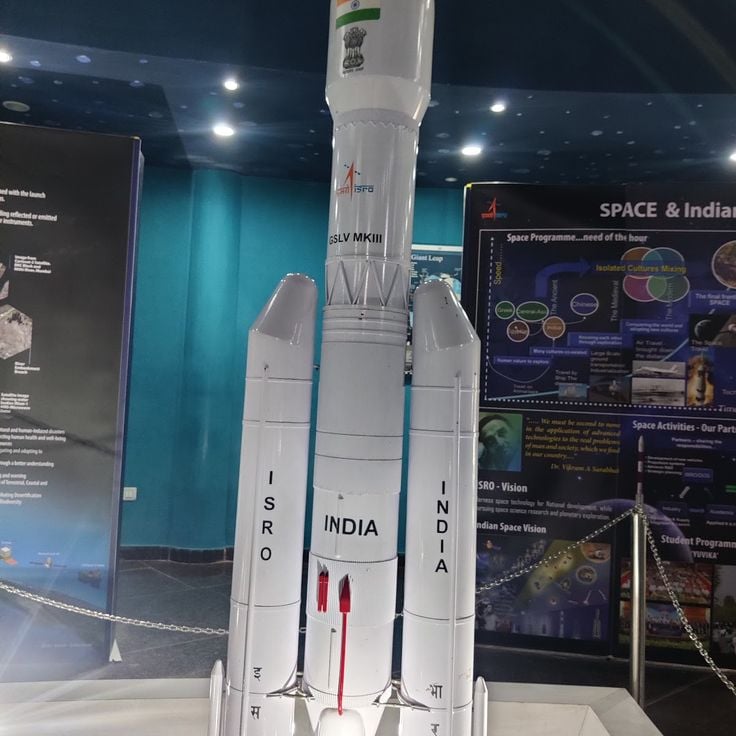
Sriharikota is an Indian space center located in Nellore, Andhra Pradesh. The site tells the story of India's space program through its museum and public facilities. Visitors can see how India develops and launches satellites and spacecraft. The center sits on an island and connects technology with the natural environment of India's southern coast.
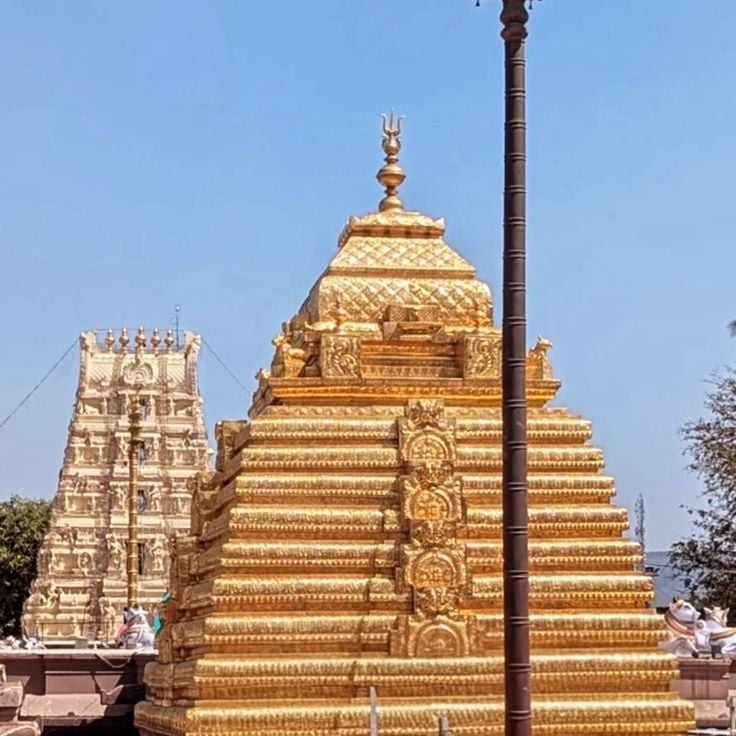
The Mallikarjuna Jyotirlinga Temple in Srisailam is one of the 12 sacred Jyotirlingas in India and has drawn pilgrims for centuries. The temple honors Shiva and sits on the banks of the Krishna River. Visitors come from across India to pray here. The site carries deep spiritual meaning for devotees and connects religious tradition with the natural landscape of the region.
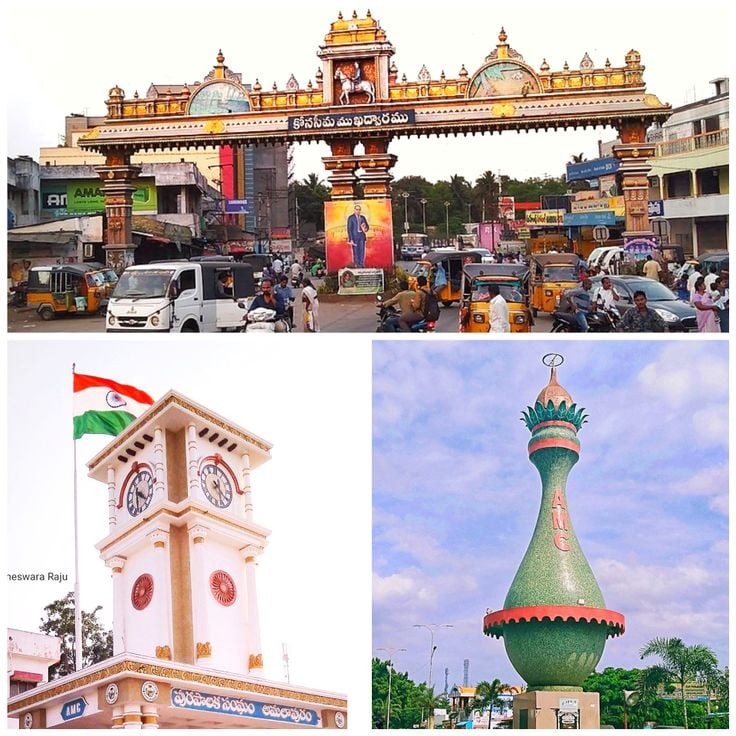
Konaseema in East Godavari is a delta shaped by the Godavari River and its network of waterways. Boats travel between villages, carrying people and goods along channels that have existed for centuries. The land here is flat and fertile, covered with rice fields that feed the region. Traditional settlements are connected by water rather than roads. Life follows the rhythm of the river, and local communities maintain practices passed down through generations. This is a place where agriculture, water transport, and daily life blend together.
Nagarjunakonda is an archaeological site on an island formed by a dam. The place preserves remains from the early period of Buddhism in India. Here you find ruins of temples, monasteries, and sculptures that show how monks and followers lived many centuries ago. The island sits in the water and recalls an era when this location was a center for spiritual learning and artistic creation.
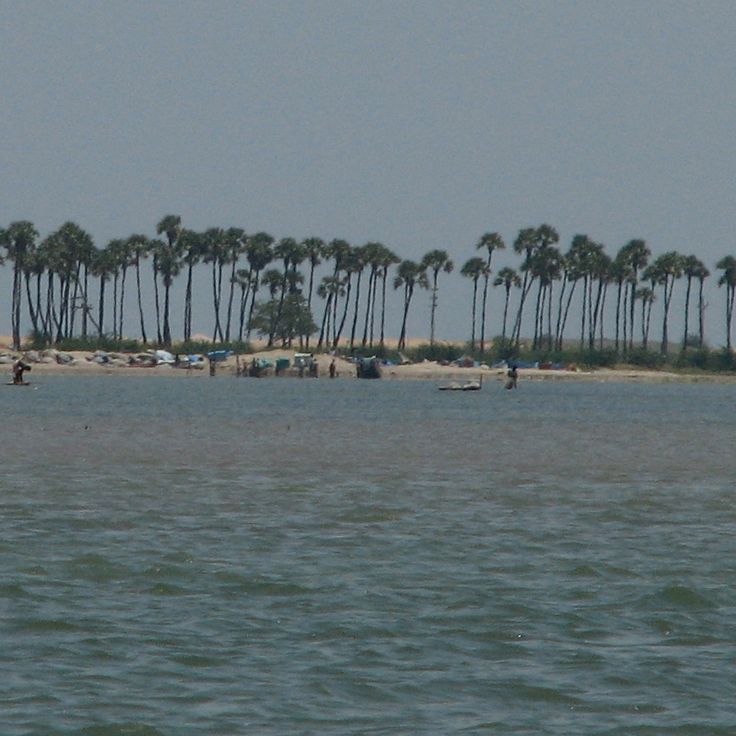
Pulicat Lake is a coastal lagoon in the Nellore area that forms part of Andhra Pradesh's varied landscapes. This lake provides a home to migratory birds and allows visitors to observe water birds in their natural surroundings. The lagoon demonstrates how local communities have lived and worked with the state's coastal areas for centuries.
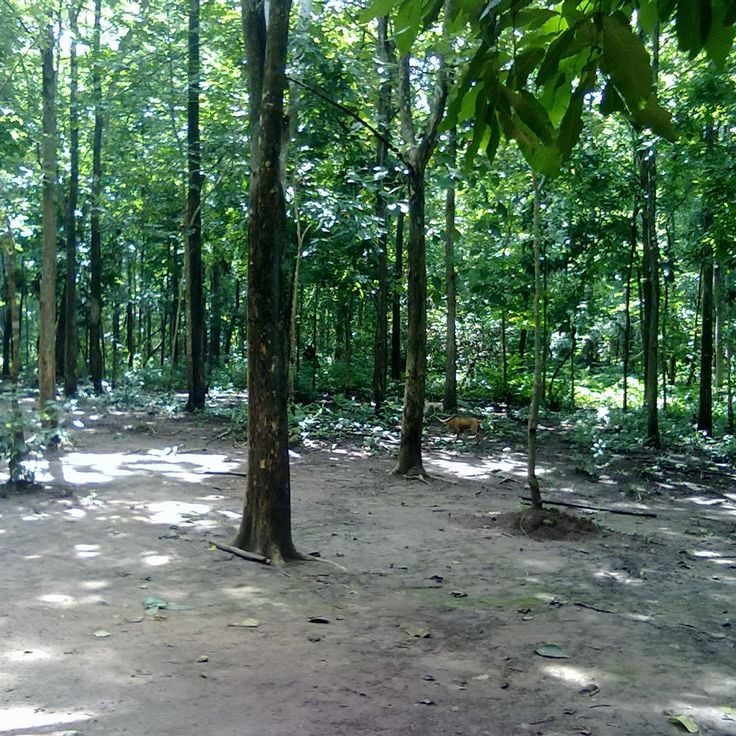
Maredumilli is a forested area in eastern Andhra Pradesh nestled in the green hills of the region. The place draws visitors with its waterfalls and thick tropical forest. Here people hike, observe wildlife, and spend time surrounded by trees and vegetation. The humid forest air and sounds of animals shape the experience of being in this location. Maredumilli shows how people use the forest as a source of life and rest.
The Kanaka Durga Temple sits on an island in the Krishna River at Vijayawada and is a major Hindu temple dedicated to the goddess Durga. The temple draws pilgrims from across the region and serves as an important place of faith for many visitors. Its location along the river makes it a special site where religious practice and nature meet.
The Temple of Venkateswara sits on the hills of Tirumala and is one of the most important sanctuaries in South India. This Hindu temple draws visitors from across the region who come to pray and experience the spiritual life of the place. The temple displays the architectural tradition of South Indian temple building with its distinctive features. Many people visit this site throughout the year to participate in rituals and watch religious ceremonies.
The Tirumala Hills rise above Tirupati as sacred mountains that have served as a religious center for centuries. People walk along trails that wind through the forested slopes, stopping at viewpoints to look out over the surrounding landscape. The hills are deeply connected to the famous Tirupati Temple, and visitors come here to experience the spiritual character of the place and to understand the role these mountains play in the region's religious life.
The Buddhist site of Amaravati is an archaeological location that shows the historical importance of Buddhism in this region. Excavations have uncovered the remains of a large monastery and a stupa dating back centuries. This site connects to the broader history of Andhra Pradesh, where Buddhist traditions have long coexisted with Hindu temples and natural landscapes. Amaravati offers insight into the spiritual past of this southern Indian state.
RK Beach in Visakhapatnam is a coastal stretch that faces the waters of the Bay of Bengal. The beach sits within the city and serves as a place where locals and visitors come to spend time by the sea. Harbor activity and daily life blend together here, with fishing boats and the rhythm of a working port visible from the shore.
The Submarine Museum in Visakhapatnam tells the story of Indian naval history. Housed inside the actual warship INS Kursura, this museum lets visitors walk through the vessel and see how sailors lived and worked on board. You can explore tight corridors, view control panels, and learn about the role this ship played in India's maritime past.
The Stupa of Amaravati preserves the remains of an ancient Buddhist sanctuary and reflects the significance Buddhism held in this region. It contributes to the larger story found throughout Andhra Pradesh, where religious traditions, ancient sites, and historical memory intersect. This place shows how different beliefs and cultures coexisted in this southern Indian state.
Vijayawada serves as the economic and cultural center of the Godavari Delta and holds significant importance within Andhra Pradesh. The city connects commercial activity with religious meaning, as it sits along the Godavari River, which holds sacred value in Hindu tradition. Vijayawada demonstrates how local communities have shaped their relationship with rivers and the land over centuries, reflecting the diversity this collection documents through sites that interweave religious traditions, historical memory, and varied landscapes.
Nose of the Dolphin near Visakhapatnam is a rocky coastal point offering views across the ocean and the surrounding hills. This location sits in Andhra Pradesh, a state in southern India that holds ancient temples, Buddhist caves carved into rock over 1500 years ago, and diverse coastlines. The rocky landscape here reveals how natural forces have shaped the shoreline over time. From this viewpoint, you can take in the region's variety: the sea meeting green hills, and the nearby port city blending maritime activity with urban life.
The Prakasam Barrage is a historical dam across the Krishna River near Vijayawada. It was built to store water for irrigation and electricity generation. The dam creates a large reservoir that stretches across the landscape. People come here to walk along the structure and look out over the water. The surroundings show how communities have used the natural river for their needs. There are green spaces and walking paths nearby. The barrage is a place where engineering and nature meet.
Visakhapatnam is a port city on the coast of Andhra Pradesh where maritime activity and urban life intersect. The city sits between bays and beaches that line the Bay of Bengal. Hills rise in the hinterland, breaking up the flat coastal landscape. Visakhapatnam serves as a major port and hub for the region's trade and fishing industries. Visitors find here a blend of harbor operations, local markets, and various attractions that reflect the history and daily life of this coastal area.
The Ananthagiri Hills near Araku show how the forest landscapes of the Eastern Ghats draw people seeking time among trees and streams. Paths cut through thick woodland, where light filters between branches and the air stays cool and damp. Waterfalls tumble over rocks, filling the space with sound. This is a place where you feel the rhythms of nature and understand why these forests matter to the region.
Borra Caves is an underground limestone formation that developed over millions of years. Inside, stalactites and stalagmites grow slowly from dripping water, creating stone formations of different shapes and sizes. The caves sit in the forests of Araku and show how natural processes shape landscapes over time. Visitors walk through narrow passages and see chambers filled with these mineral deposits. The caves are cool and damp, with light filtering through natural openings in the rock. This site demonstrates the geological history found throughout Andhra Pradesh.
Kailasagiri Hill in Visakhapatnam provides views over the bay and surrounding coastal areas. Visitors hike on this hill near the city and take in the view of the sea and shoreline. The place shows how people in this region use elevated spots to observe the landscape around them.
Araku Valley is a mountainous area in Andhra Pradesh known for its coffee plantations and verdant landscapes. Located in the interior of the state, it offers a different experience from the coastal cities like Visakhapatnam. Visitors find forests, natural springs, and small villages that reflect traditional life in the region. The valley is recognized for its coffee cultivation and attracts people seeking natural surroundings.
Srikalahasti is an ancient pilgrimage site in Andhra Pradesh, home to a major Shiva temple located in a sacred zone. For centuries, believers have journeyed here to pray and honor this holy place. The surroundings feature rocky outcrops and green hills that add natural character to the location. The temple itself displays the craftsmanship of earlier times with its detailed carvings and structures. Pilgrims from across India visit Srikalahasti throughout the year, especially during religious festivals and celebrations.
Fort Gandikota stands on a cliff overlooking the gorges of the Penna River. This fortress was built over several periods and shows how military structures were constructed at this location. The fort offers views of the river gorge and surrounding landscapes. It is one of the sites in Andhra Pradesh that reflects the military history of the region and demonstrates how strategic positions were used to control trade routes.
The Talakona Waterfalls near Srikalahasti are a natural retreat within a tropical forest setting, where water cascades down rocky cliffs into pools below. This location offers visitors a refreshing escape within the inland hills of Andhra Pradesh, surrounded by dense vegetation that remains largely untouched. Locals and travelers come here to swim, explore the forest paths, and experience the region's natural landscape away from the coast.
Simhachalam Temple is an ancient Hindu temple dedicated to Lord Narasimha, perched on a hill near Visakhapatnam. It represents the spiritual tradition of this region of Andhra Pradesh, where religious sites and natural landscapes intertwine. The temple has drawn pilgrims for centuries and offers visitors insight into local spiritual practices and the history of this coastal state.
The Veerabhadra Temple Complex in Lepakshi demonstrates the architectural style of southern India. The complex features multiple structures with detailed stone carvings and painted walls. The main temple is dedicated to the god Veerabhadra. Built in the 16th century, the structures show the craftsmanship of that period. Visitors can see intricate stone work and religious imagery throughout the complex.
The Belum Caves are underground limestone caves among the longest in India. Located in Kurnool, they display impressive galleries and geological formations created over millennia. These caves tell the story of the natural processes that have shaped the landscape of Andhra Pradesh. Visitors can walk through the tunnel systems and explore the intricate structures carved by limestone over countless ages.
The monolithic Nandi of Lepakshi is a large bull statue carved from a single piece of stone. This figure stands in Lepakshi and demonstrates the sculptural skills of earlier times. The Nandi connects to other temples and stone sculptures in the area, which together reveal the religious history of this region.
Ahobilam is a group of temples dedicated to Narasimha located within a sacred forest on a mountain. These temples spread across several locations and form an important pilgrimage site in the region. The place shows how local communities have used hillsides and forest landscapes for spiritual purposes over centuries. Ahobilam reflects the religious tradition that runs deep in this part of Andhra Pradesh.
Horsley Hills is a mountain station in Andhra Pradesh, marked by a cool climate, thick forests, and elevated viewpoints. This highland location offers a contrast to the flatter coastal regions of the state. Visitors can walk through forested paths and reach spots where the surrounding landscape spreads below them.
Yaganti is a mountain site in Andhra Pradesh where ancient caves have been carved into the rock and a temple rises from the landscape. People come here to pray and experience the history of the place. The rocks around the temple have striking shapes, and visitors walk through the caves to see old carvings. The site has been a place of worship for many centuries and continues to draw pilgrims today.
Kurnool is a historic city in Andhra Pradesh with archaeological sites that reveal centuries of human settlement. The city serves as a starting point for visitors exploring nearby caves and natural sites scattered across the region's hills and river deltas. Kurnool connects city life with access to significant geological and religious locations that form part of southern India's varied history.
The Srisailam Dam is a major structure on the Krishna River that creates a large reservoir and shapes the surrounding landscape. The dam connects the two banks and offers views across the water toward the hills of the region. From this vantage point, you can see how human engineering integrates into the natural geography of Andhra Pradesh. The structure itself demonstrates the historical importance of water management in this area.
The Nagarjuna Sagar Dam is a large historic structure on the Krishna River in Andhra Pradesh. This dam offers panoramic views across the landscape and shows how the region manages water for irrigation and power generation. The dam connects to the history of local communities whose lives have been shaped by the river.
Sriharikota is an Indian space center located in Nellore, Andhra Pradesh. The site tells the story of India's space program through its museum and public facilities. Visitors can see how India develops and launches satellites and spacecraft. The center sits on an island and connects technology with the natural environment of India's southern coast.
The Mallikarjuna Jyotirlinga Temple in Srisailam is one of the 12 sacred Jyotirlingas in India and has drawn pilgrims for centuries. The temple honors Shiva and sits on the banks of the Krishna River. Visitors come from across India to pray here. The site carries deep spiritual meaning for devotees and connects religious tradition with the natural landscape of the region.
Konaseema in East Godavari is a delta shaped by the Godavari River and its network of waterways. Boats travel between villages, carrying people and goods along channels that have existed for centuries. The land here is flat and fertile, covered with rice fields that feed the region. Traditional settlements are connected by water rather than roads. Life follows the rhythm of the river, and local communities maintain practices passed down through generations. This is a place where agriculture, water transport, and daily life blend together.
Nagarjunakonda is an archaeological site on an island formed by a dam. The place preserves remains from the early period of Buddhism in India. Here you find ruins of temples, monasteries, and sculptures that show how monks and followers lived many centuries ago. The island sits in the water and recalls an era when this location was a center for spiritual learning and artistic creation.
Pulicat Lake is a coastal lagoon in the Nellore area that forms part of Andhra Pradesh's varied landscapes. This lake provides a home to migratory birds and allows visitors to observe water birds in their natural surroundings. The lagoon demonstrates how local communities have lived and worked with the state's coastal areas for centuries.
Maredumilli is a forested area in eastern Andhra Pradesh nestled in the green hills of the region. The place draws visitors with its waterfalls and thick tropical forest. Here people hike, observe wildlife, and spend time surrounded by trees and vegetation. The humid forest air and sounds of animals shape the experience of being in this location. Maredumilli shows how people use the forest as a source of life and rest.
The Kanaka Durga Temple sits on an island in the Krishna River at Vijayawada and is a major Hindu temple dedicated to the goddess Durga. The temple draws pilgrims from across the region and serves as an important place of faith for many visitors. Its location along the river makes it a special site where religious practice and nature meet.
The Temple of Venkateswara sits on the hills of Tirumala and is one of the most important sanctuaries in South India. This Hindu temple draws visitors from across the region who come to pray and experience the spiritual life of the place. The temple displays the architectural tradition of South Indian temple building with its distinctive features. Many people visit this site throughout the year to participate in rituals and watch religious ceremonies.
The Tirumala Hills rise above Tirupati as sacred mountains that have served as a religious center for centuries. People walk along trails that wind through the forested slopes, stopping at viewpoints to look out over the surrounding landscape. The hills are deeply connected to the famous Tirupati Temple, and visitors come here to experience the spiritual character of the place and to understand the role these mountains play in the region's religious life.
The Buddhist site of Amaravati is an archaeological location that shows the historical importance of Buddhism in this region. Excavations have uncovered the remains of a large monastery and a stupa dating back centuries. This site connects to the broader history of Andhra Pradesh, where Buddhist traditions have long coexisted with Hindu temples and natural landscapes. Amaravati offers insight into the spiritual past of this southern Indian state.
RK Beach in Visakhapatnam is a coastal stretch that faces the waters of the Bay of Bengal. The beach sits within the city and serves as a place where locals and visitors come to spend time by the sea. Harbor activity and daily life blend together here, with fishing boats and the rhythm of a working port visible from the shore.
The Submarine Museum in Visakhapatnam tells the story of Indian naval history. Housed inside the actual warship INS Kursura, this museum lets visitors walk through the vessel and see how sailors lived and worked on board. You can explore tight corridors, view control panels, and learn about the role this ship played in India's maritime past.
The Stupa of Amaravati preserves the remains of an ancient Buddhist sanctuary and reflects the significance Buddhism held in this region. It contributes to the larger story found throughout Andhra Pradesh, where religious traditions, ancient sites, and historical memory intersect. This place shows how different beliefs and cultures coexisted in this southern Indian state.
Vijayawada serves as the economic and cultural center of the Godavari Delta and holds significant importance within Andhra Pradesh. The city connects commercial activity with religious meaning, as it sits along the Godavari River, which holds sacred value in Hindu tradition. Vijayawada demonstrates how local communities have shaped their relationship with rivers and the land over centuries, reflecting the diversity this collection documents through sites that interweave religious traditions, historical memory, and varied landscapes.
Nose of the Dolphin near Visakhapatnam is a rocky coastal point offering views across the ocean and the surrounding hills. This location sits in Andhra Pradesh, a state in southern India that holds ancient temples, Buddhist caves carved into rock over 1500 years ago, and diverse coastlines. The rocky landscape here reveals how natural forces have shaped the shoreline over time. From this viewpoint, you can take in the region's variety: the sea meeting green hills, and the nearby port city blending maritime activity with urban life.
The Prakasam Barrage is a historical dam across the Krishna River near Vijayawada. It was built to store water for irrigation and electricity generation. The dam creates a large reservoir that stretches across the landscape. People come here to walk along the structure and look out over the water. The surroundings show how communities have used the natural river for their needs. There are green spaces and walking paths nearby. The barrage is a place where engineering and nature meet.
Visakhapatnam is a port city on the coast of Andhra Pradesh where maritime activity and urban life intersect. The city sits between bays and beaches that line the Bay of Bengal. Hills rise in the hinterland, breaking up the flat coastal landscape. Visakhapatnam serves as a major port and hub for the region's trade and fishing industries. Visitors find here a blend of harbor operations, local markets, and various attractions that reflect the history and daily life of this coastal area.
The Ananthagiri Hills near Araku show how the forest landscapes of the Eastern Ghats draw people seeking time among trees and streams. Paths cut through thick woodland, where light filters between branches and the air stays cool and damp. Waterfalls tumble over rocks, filling the space with sound. This is a place where you feel the rhythms of nature and understand why these forests matter to the region.
Borra Caves is an underground limestone formation that developed over millions of years. Inside, stalactites and stalagmites grow slowly from dripping water, creating stone formations of different shapes and sizes. The caves sit in the forests of Araku and show how natural processes shape landscapes over time. Visitors walk through narrow passages and see chambers filled with these mineral deposits. The caves are cool and damp, with light filtering through natural openings in the rock. This site demonstrates the geological history found throughout Andhra Pradesh.
Kailasagiri Hill in Visakhapatnam provides views over the bay and surrounding coastal areas. Visitors hike on this hill near the city and take in the view of the sea and shoreline. The place shows how people in this region use elevated spots to observe the landscape around them.
Araku Valley is a mountainous area in Andhra Pradesh known for its coffee plantations and verdant landscapes. Located in the interior of the state, it offers a different experience from the coastal cities like Visakhapatnam. Visitors find forests, natural springs, and small villages that reflect traditional life in the region. The valley is recognized for its coffee cultivation and attracts people seeking natural surroundings.
Srikalahasti is an ancient pilgrimage site in Andhra Pradesh, home to a major Shiva temple located in a sacred zone. For centuries, believers have journeyed here to pray and honor this holy place. The surroundings feature rocky outcrops and green hills that add natural character to the location. The temple itself displays the craftsmanship of earlier times with its detailed carvings and structures. Pilgrims from across India visit Srikalahasti throughout the year, especially during religious festivals and celebrations.
Fort Gandikota stands on a cliff overlooking the gorges of the Penna River. This fortress was built over several periods and shows how military structures were constructed at this location. The fort offers views of the river gorge and surrounding landscapes. It is one of the sites in Andhra Pradesh that reflects the military history of the region and demonstrates how strategic positions were used to control trade routes.
The Talakona Waterfalls near Srikalahasti are a natural retreat within a tropical forest setting, where water cascades down rocky cliffs into pools below. This location offers visitors a refreshing escape within the inland hills of Andhra Pradesh, surrounded by dense vegetation that remains largely untouched. Locals and travelers come here to swim, explore the forest paths, and experience the region's natural landscape away from the coast.
Simhachalam Temple is an ancient Hindu temple dedicated to Lord Narasimha, perched on a hill near Visakhapatnam. It represents the spiritual tradition of this region of Andhra Pradesh, where religious sites and natural landscapes intertwine. The temple has drawn pilgrims for centuries and offers visitors insight into local spiritual practices and the history of this coastal state.
The Veerabhadra Temple Complex in Lepakshi demonstrates the architectural style of southern India. The complex features multiple structures with detailed stone carvings and painted walls. The main temple is dedicated to the god Veerabhadra. Built in the 16th century, the structures show the craftsmanship of that period. Visitors can see intricate stone work and religious imagery throughout the complex.
The Belum Caves are underground limestone caves among the longest in India. Located in Kurnool, they display impressive galleries and geological formations created over millennia. These caves tell the story of the natural processes that have shaped the landscape of Andhra Pradesh. Visitors can walk through the tunnel systems and explore the intricate structures carved by limestone over countless ages.
The monolithic Nandi of Lepakshi is a large bull statue carved from a single piece of stone. This figure stands in Lepakshi and demonstrates the sculptural skills of earlier times. The Nandi connects to other temples and stone sculptures in the area, which together reveal the religious history of this region.
Ahobilam is a group of temples dedicated to Narasimha located within a sacred forest on a mountain. These temples spread across several locations and form an important pilgrimage site in the region. The place shows how local communities have used hillsides and forest landscapes for spiritual purposes over centuries. Ahobilam reflects the religious tradition that runs deep in this part of Andhra Pradesh.
Horsley Hills is a mountain station in Andhra Pradesh, marked by a cool climate, thick forests, and elevated viewpoints. This highland location offers a contrast to the flatter coastal regions of the state. Visitors can walk through forested paths and reach spots where the surrounding landscape spreads below them.
Yaganti is a mountain site in Andhra Pradesh where ancient caves have been carved into the rock and a temple rises from the landscape. People come here to pray and experience the history of the place. The rocks around the temple have striking shapes, and visitors walk through the caves to see old carvings. The site has been a place of worship for many centuries and continues to draw pilgrims today.
Kurnool is a historic city in Andhra Pradesh with archaeological sites that reveal centuries of human settlement. The city serves as a starting point for visitors exploring nearby caves and natural sites scattered across the region's hills and river deltas. Kurnool connects city life with access to significant geological and religious locations that form part of southern India's varied history.
The Srisailam Dam is a major structure on the Krishna River that creates a large reservoir and shapes the surrounding landscape. The dam connects the two banks and offers views across the water toward the hills of the region. From this vantage point, you can see how human engineering integrates into the natural geography of Andhra Pradesh. The structure itself demonstrates the historical importance of water management in this area.
The Nagarjuna Sagar Dam is a large historic structure on the Krishna River in Andhra Pradesh. This dam offers panoramic views across the landscape and shows how the region manages water for irrigation and power generation. The dam connects to the history of local communities whose lives have been shaped by the river.
Sriharikota is an Indian space center located in Nellore, Andhra Pradesh. The site tells the story of India's space program through its museum and public facilities. Visitors can see how India develops and launches satellites and spacecraft. The center sits on an island and connects technology with the natural environment of India's southern coast.
The Mallikarjuna Jyotirlinga Temple in Srisailam is one of the 12 sacred Jyotirlingas in India and has drawn pilgrims for centuries. The temple honors Shiva and sits on the banks of the Krishna River. Visitors come from across India to pray here. The site carries deep spiritual meaning for devotees and connects religious tradition with the natural landscape of the region.
Konaseema in East Godavari is a delta shaped by the Godavari River and its network of waterways. Boats travel between villages, carrying people and goods along channels that have existed for centuries. The land here is flat and fertile, covered with rice fields that feed the region. Traditional settlements are connected by water rather than roads. Life follows the rhythm of the river, and local communities maintain practices passed down through generations. This is a place where agriculture, water transport, and daily life blend together.
Nagarjunakonda is an archaeological site on an island formed by a dam. The place preserves remains from the early period of Buddhism in India. Here you find ruins of temples, monasteries, and sculptures that show how monks and followers lived many centuries ago. The island sits in the water and recalls an era when this location was a center for spiritual learning and artistic creation.
Pulicat Lake is a coastal lagoon in the Nellore area that forms part of Andhra Pradesh's varied landscapes. This lake provides a home to migratory birds and allows visitors to observe water birds in their natural surroundings. The lagoon demonstrates how local communities have lived and worked with the state's coastal areas for centuries.
Maredumilli is a forested area in eastern Andhra Pradesh nestled in the green hills of the region. The place draws visitors with its waterfalls and thick tropical forest. Here people hike, observe wildlife, and spend time surrounded by trees and vegetation. The humid forest air and sounds of animals shape the experience of being in this location. Maredumilli shows how people use the forest as a source of life and rest.