Nagarjunakonda, Buddhist archaeological complex in Guntur district, India
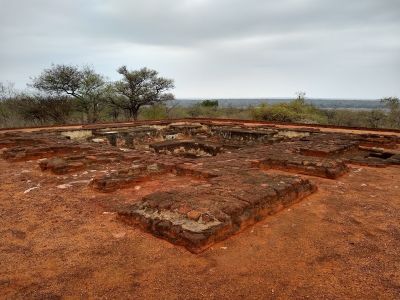
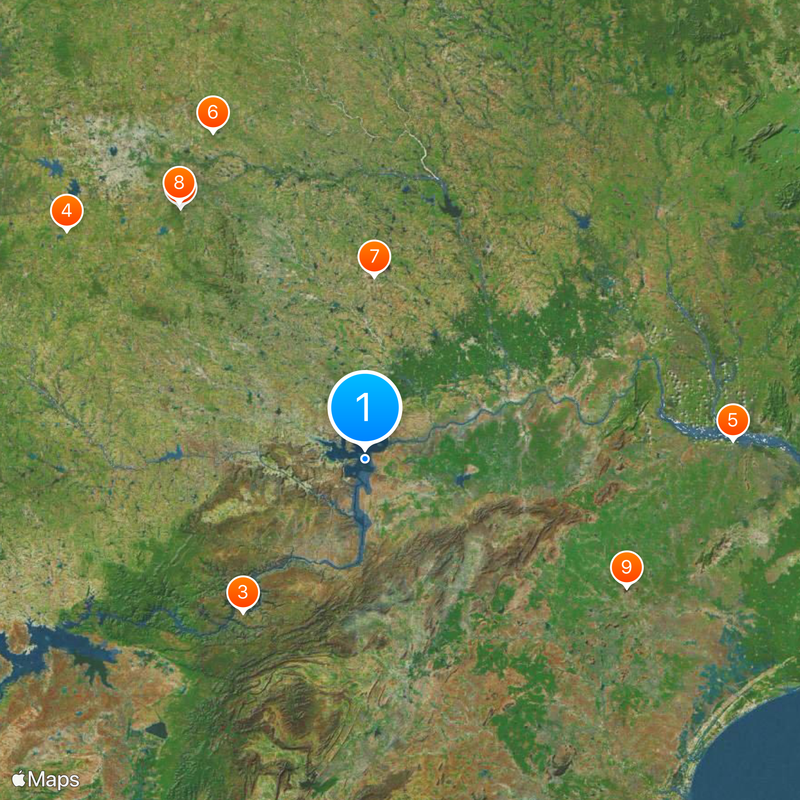
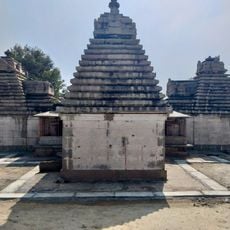
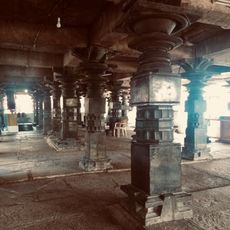
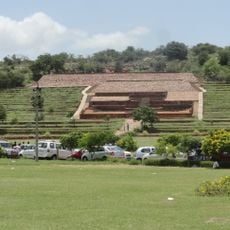
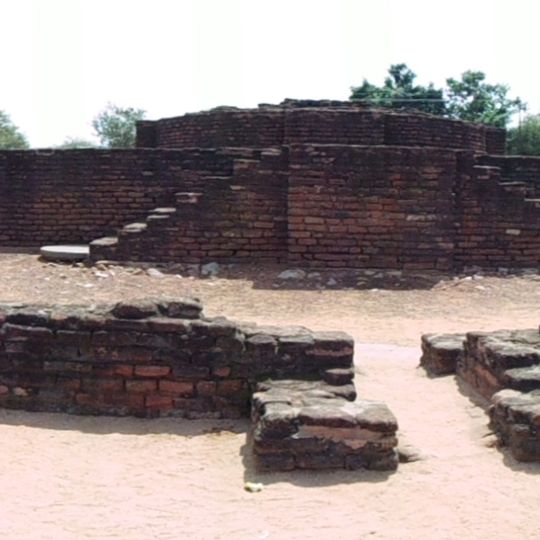
Nagarjunakonda is a Buddhist archaeological site containing stupas, monasteries, and temples located on an island created by the Nagarjuna Sagar Dam. The remains include structures spanning different periods when the location served as a major center for religious study.
The site took its name from the Buddhist philosopher Nagarjuna and flourished in the 2nd century as a major center for learning. Students traveled from China and Sri Lanka to study there, making it a significant hub for intellectual exchange.
The museum displays Buddhist sculptures, inscriptions, and stone pieces found during excavations from areas that were later submerged. Visitors can see the artistic work and written records from this ancient center of learning.
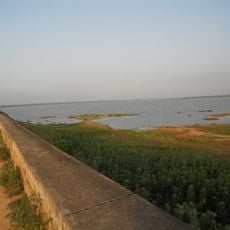
Visiting Nagarjunakonda requires taking a ferry from the mainland across Nagarjuna Sagar Lake. Boats depart regularly from the shoreline and provide the main way to reach the island site.
Around thirty Buddhist monasteries were carefully moved to higher ground before the valley flooded from the dam construction. This rescue effort preserved important built structures that would have otherwise disappeared underwater.
The community of curious travelers
AroundUs brings together thousands of curated places, local tips, and hidden gems, enriched daily by 90,926 contributors worldwide.