Amararama, Hindu temple in Amaravathi mandal, India
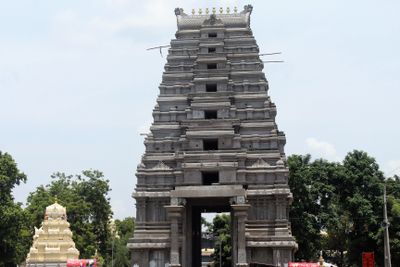
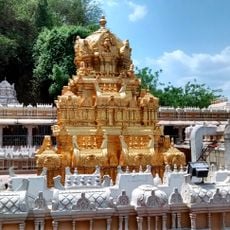
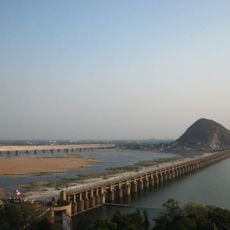
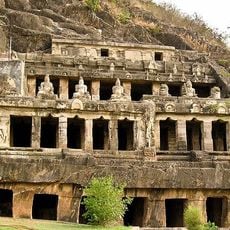
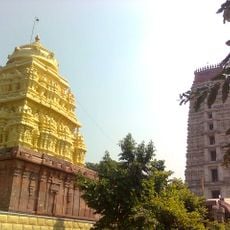
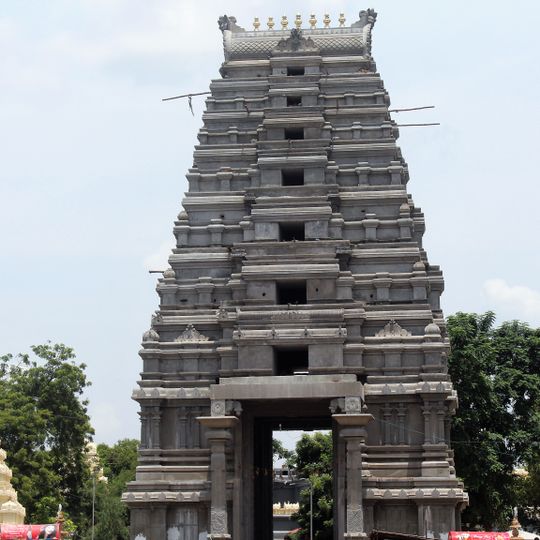
Amararama is a Hindu temple situated near the Krishna River featuring traditional Dravidian architecture with intricate stonework. The structure displays ornate pillars and detailed carvings that showcase the craftsmanship of ancient construction techniques.
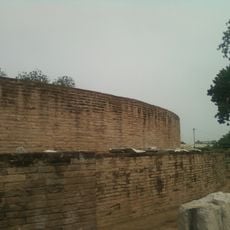
The Amareswara temple is dated to the 11th century on epigraphical grounds; the earliest of the 35 inscriptions on its walls is from 1129 CE. A 1184 CE record of Kota chief Keta II mentions both the Buddhist Mahachaitya and Lord Siva as Amareswara. Sri Krishnadevaraya added a mandapam in the 16th century, and Vasireddy Venkatadri Nayudu funded major expansion in the late 18th century.
The temple serves as a gathering place where locals celebrate religious festivals with prayers and offerings throughout the year. People come here to observe customs that connect them to their spiritual roots and community traditions.
The temple welcomes visitors throughout the day and is open to the public. Visiting early morning or late afternoon provides the best experience when the space feels less crowded.
The white marble lingam is the tallest of the five Pancharama lingams, about 15 feet high with a circumference of three feet. Temple lore says it once kept growing, so devotees drove a nail into its top; a red stain said to be blood remains there today.
The community of curious travelers
AroundUs brings together thousands of curated places, local tips, and hidden gems, enriched daily by 94,036 contributors worldwide.