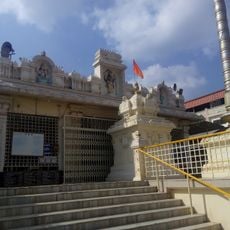
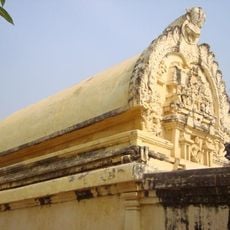
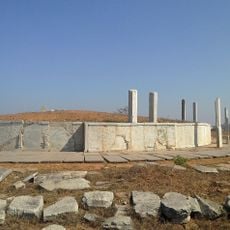
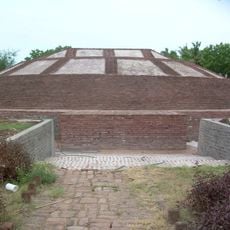
Maha Stupa at Amaravati, Buddhist stupa in Guntur district, India.
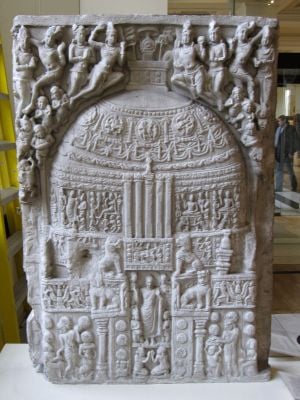
The Maha Stupa at Amaravati is a Buddhist monument in Guntur district, India, consisting of a circular mound measuring 50 meters (164 feet) across and standing 27 meters (89 feet) high. The structure is surrounded by a stone railing featuring hundreds of relief panels, and a walkway runs around the base.
The stupa was probably founded in the 3rd century BCE in the time of Ashoka, though the earliest surviving architecture dates from the 2nd century BCE. Around 50 BCE a major rebuilding began: the drum was widened by 2.4 metres and a new limestone railing rose some 3 metres high, 59 metres in diameter, with 136 pillars and 348 crossbars. Work continued until about 250 CE, and the site remained active until roughly the 13th century.
Stone reliefs on the outer walls tell stories from the life of Buddha, rendered in the artistic tradition of Amaravati. Over many centuries, sculptors from the region developed a distinct visual language with flowing lines and carefully rendered figures.
Access to the site is usually available during daylight hours, and a small museum next to the structure displays finds from earlier excavations. Because of its open location, visiting during cooler morning hours is more comfortable when the sun is lower.
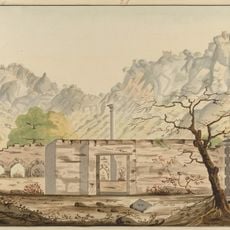
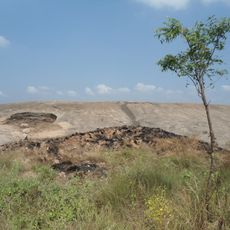
The oldest plans of the site, drawn by Colin Mackenzie in 1816, label the mound not as a stupa but as the deepaladimma, or 'hill of lights'. Mackenzie excavated it in 1797, bringing the buried monument back into view after centuries of neglect.
The community of curious travelers
AroundUs brings together thousands of curated places, local tips, and hidden gems, enriched daily by 92,738 contributors worldwide.