Victoria Jubilee Museum, Archaeological museum in Vijayawada, India.
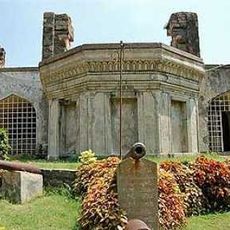
The Bapu Museum, formerly Victoria Jubilee Museum, stands on M. G. Road in Vijayawada in an Indo-European style building over a century old. Its galleries hold stone-cut inscriptions, coins, swords, body armour, shields and ornaments once used by kings, alongside a standing Buddha of white limestone from Alluru dated to the 3rd–4th century.
The building was created for Queen Victoria's Golden Jubilee; Robert Sewell, Collector of Krishna district, laid its foundation stone on 27 June 1887. It first housed industrial exhibitions, and in 1921 Pingali Venkayya presented a tricolour flag to Mahatma Gandhi here. In 1962 it became an archaeological museum under Andhra Pradesh's Department of Archaeology and Museums.
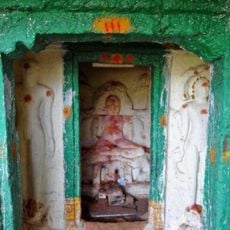
The museum displays Buddhist and Hindu sculptures that reflect the artistic traditions of the region across different periods. Visitors encounter these works arranged throughout the building and can observe how they represent local spiritual practices through carved stone and cast metals.
The museum stands on M. G. Road in Vijayawada, in a building over a century old. Visitors enter through the Indo-European facade; the galleries are arranged across the structure. Allow time to view the sculptures, coins, and arms. The museum is maintained by the Archaeological Department.
The flag Pingali Venkayya gave Mahatma Gandhi here in 1921 was a three-colour banner he had designed himself; the museum building, then used for industrial exhibitions, is where the handover took place. Look for the connection to Venkayya, an Andhra-born freedom fighter, rather than to the national flag adopted in 1947.
The community of curious travelers
AroundUs brings together thousands of curated places, local tips, and hidden gems, enriched daily by 94,041 contributors worldwide.