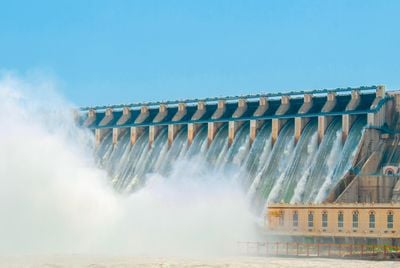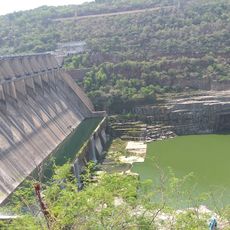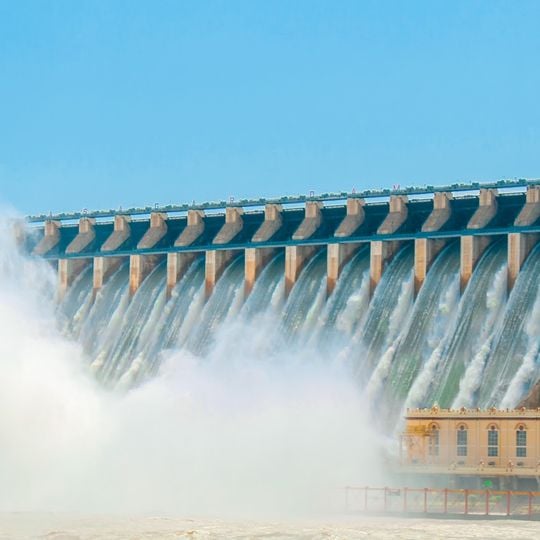
Nagarjuna Sagar Dam, Masonry dam in Telangana and Andhra Pradesh, India.
Nagarjuna Sagar Dam is a masonry dam and hydroelectric plant on the Krishna River, straddling the Telangana–Andhra Pradesh border. Its masonry section is 1,450 m long and 125 m high, with a 471 m spillway and 26 flood gates; an earth dam extends 3,414 m. The reservoir stores 11.472 billion cubic metres at full level.
The Nizam had British engineers survey the Krishna River for a dam in 1903, and the Khosla Committee chose Nandikonda in 1952 after the Muktyala Raja lobbied for it. Prime Minister Jawaharlal Nehru laid the foundation stone on 10 December 1955, and the dam was built under engineer Kanuri Lakshmana Rao using local know-how. Indira Gandhi released water into the canals on 4 August 1967.
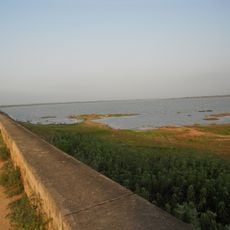
The structure takes its name from the Buddhist philosopher Nagarjuna, whose teachings once flourished in this region. Visitors can walk along the top and watch water flowing into the canals that irrigate wide stretches of the surrounding countryside.
The dam wall offers a pedestrian path along the top that provides wide views over the reservoir and the river plain. Visitors should come early in the day, as the open location can become very hot at midday.
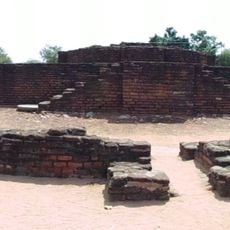
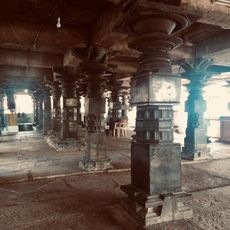
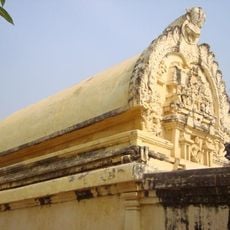
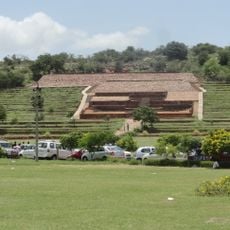
When the reservoir was filled, the ancient Buddhist settlement of Nagarjunakonda disappeared underwater. Archaeologists then moved many sculptures and ruins to a nearby island that can still be visited today.
The community of curious travelers
AroundUs brings together thousands of curated places, local tips, and hidden gems, enriched daily by 92,164 contributors worldwide.