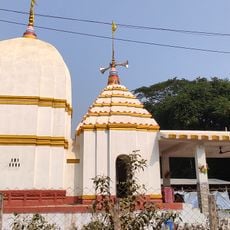
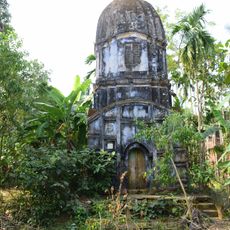
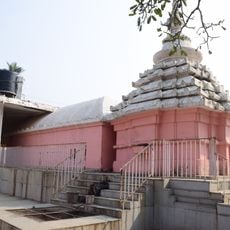
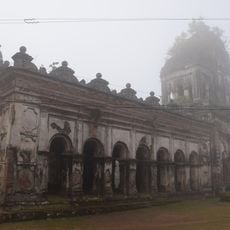
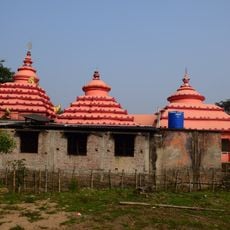
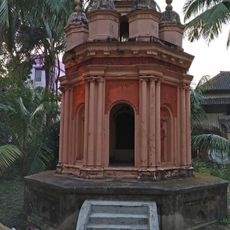
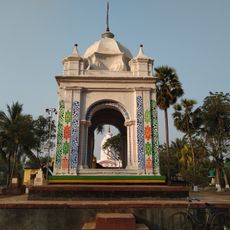
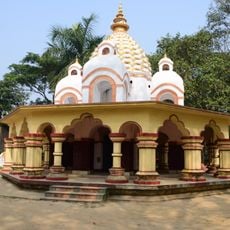
Raibania Fort, Medieval fort complex in Balasore district, India
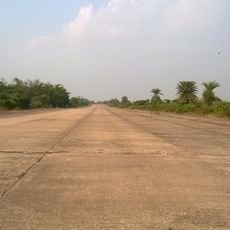
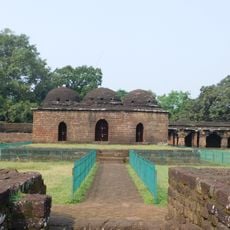
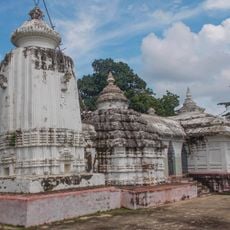
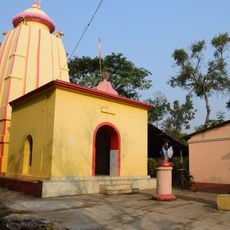
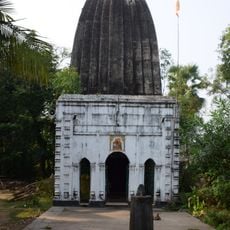
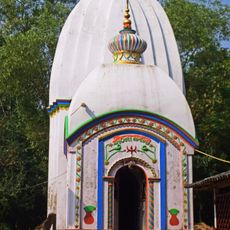
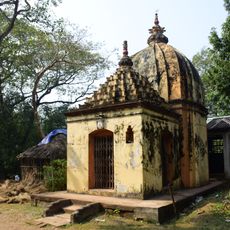
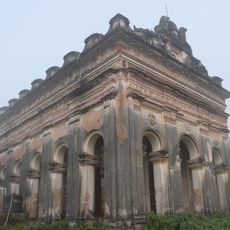
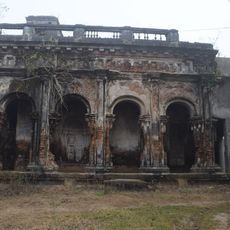
Raibania Fort is a medieval fortified complex with high walls that spread across the eastern Indian landscape, built to control the regional territory. The site combines defense structures with religious spaces arranged within a connected perimeter.
Narasingha Deva I, ruler of the Eastern Ganga dynasty in Utkala from 1238 to 1264, built the forts after defeating Humayun Khan, to block Turkish entry into Odisha. The Odia account places construction on his return from a campaign against Humayun Shah of Bahamani, near the Huguli river at the Odisha-Bengal frontier. The Balasore Gazetteer records that Kalapahada later devastated the forts, and their remnants were reused by local zamindars and villagers.
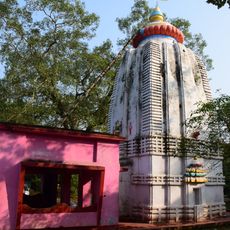
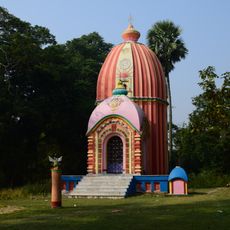
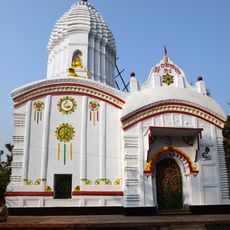
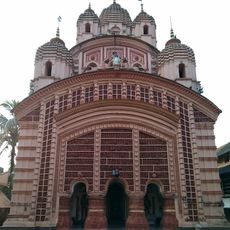
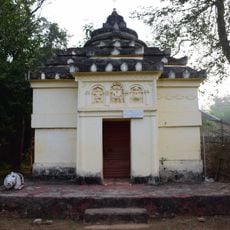
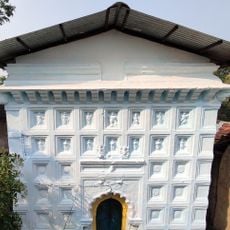
The complex holds 161 images of goddesses, called Durga devata or Ishta devata, including Dashasharu, an aniconic form of the goddess Jayachandi. These figures are the fort's tutelary deities, and the number 161 is a detail visitors can count in the remains.
The site sits approximately 14 kilometers from Jaleswar and near the Subarnarekha river, making it reasonably accessible by road. Visitors should expect uneven terrain and bring adequate time to walk the perimeter and examine the remaining walls and structures.
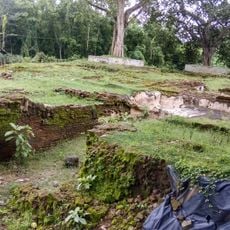
The Ain-i-Akbari, the Mughal revenue record, lists only three forts here, yet four have been traced on the ground: two larger ones near Raibania village and two smaller ones near Phulta (Phulahatta). The Balasore Gazetteer adds that after Kalapahada's invasion of Utkala the ruined masonry, except at Raibania, was carted off by local zamindars and villagers for their own buildings.
The community of curious travelers
AroundUs brings together thousands of curated places, local tips, and hidden gems, enriched daily by 93,014 contributors worldwide.