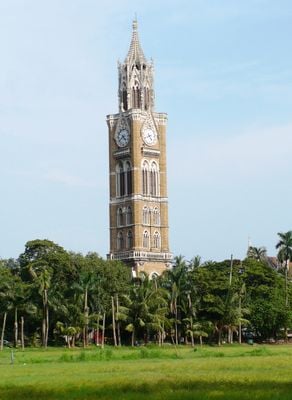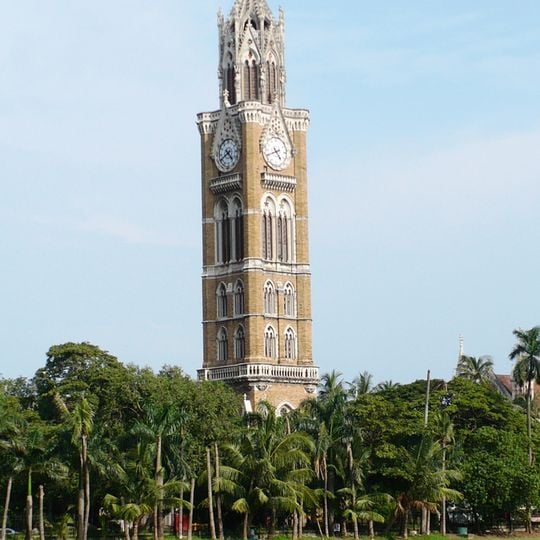
Rajabai Clock Tower, Clock tower at University of Mumbai Fort campus, India
The clock tower rises 85 meters in Venetian and Gothic styles, built on a square base that transitions to an octagonal form near the top and decorated with stone sculptures and ornate balconies.
English architect George Gilbert Scott designed this structure in 1869, completed in 1878 with funding from businessman Premchand Roychand, who named it after his mother Rajabai and intended it as an academic landmark for the university.
The structure features carved figures representing various communities of western India and houses some of Mumbai's finest stained glass windows, blending nineteenth-century British and Indian craftsmanship in its decorative program.
Visitors can view the exterior from Bhaurao Patil Marg in the Fort district, near the Taj Mahal Palace Hotel, though interior access is typically restricted to university staff and students during academic terms.
The clock originally played four different tunes throughout the day, including Home Sweet Home and a Handel symphony, now chiming every fifteen minutes, though the musical chimes were later discontinued following complaints about noise disturbance.
Location: Mumbai City district
Inception: November 1878
Architects: George Gilbert Scott
Part of: University Library, Mumbai
GPS coordinates: 18.92964,72.82999
Latest update: December 1, 2025 08:55
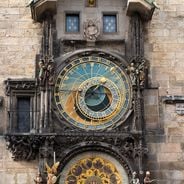
Clock towers combine technical precision with architectural styles from different periods and cultures. These highly visible structures stand in city centers, university campuses and historic squares, where they structure public life. The collection includes varied examples: the 315 foot (96 meter) neo-Gothic bell tower at Westminster Palace in London, the 1,970 foot (601 meter) Royal Clock Tower in Mecca, the Spasskaya Tower on Red Square in Moscow, the 279 foot (85 meter) neo-Gothic Rajabai Tower in Mumbai, the medieval astronomical clock at Old Town Hall in Prague, the 13th century Zytglogge in Bern, the Giralda in Seville (originally an Almohad minaret), the 548 foot (167 meter) Philadelphia City Hall tower, the Peace Tower on Parliament Hill in Ottawa, the 308 foot (94 meter) Sather Tower at the University of California Berkeley, the Zimmer Tower in Lier, the Custom House Tower in Boston, the Mughal era Ghanta Ghar in Lahore, the Union Station clock tower in Waterbury, the Renaissance clock tower on St. Mark's Square in Venice, the Jam Gadang in Bukittinggi and the Jaffa Clock Tower in Tel Aviv. Many of these towers serve as urban landmarks and connect historic architecture with practical function. They frequently offer elevated viewpoints and display remarkable mechanical achievements in timekeeping.
British rule in India from 1800 to 1947 left a distinct architectural legacy across major Indian cities. European styles including Victorian Gothic, Neoclassical and Renaissance merged with Indian decorative motifs and craftsmanship. The result was the Indo-Saracenic style, a hybrid form that expressed colonial power while incorporating local building traditions. Mumbai presents this architecture through Chhatrapati Shivaji Maharaj Terminus, the Rajabai Clock Tower and the Gateway of India. Kolkata displays it in the Victoria Memorial and Writers' Building, while Delhi offers Rashtrapati Bhavan and the Maidens Hotel. Chennai shows the Madras High Court and Government Museum, Hyderabad holds Falaknuma Palace and Shimla houses the Indian Institute of Advanced Study. These structures served as government seats, courthouses, railway stations, hotels and museums, and continue to define the urban landscape of Indian cities today.
Mumbai is India's largest metropolitan area, combining colonial heritage with religious sites and modern cityscape. The architecture ranges from Victorian structures like Chhatrapati Shivaji Terminus and Bombay High Court to contemporary designs such as the Bandra-Worli Sea Link. Religious photography subjects include Hindu temples like Siddhivinayak and Mahalakshmi, Islamic sites like Haji Ali Dargah, Christian churches like Mount Mary and St. Thomas Cathedral, and the Jewish Magen David Synagogue. The Elephanta Caves on a harbor island offer 6th-century rock carvings. Beaches along the Arabian Sea, including Juhu, Versova and the Marine Drive waterfront, provide opportunities for sunset and crowd photography. Sanjay Gandhi National Park in the northern suburbs contains forests, the ancient Kanheri cave temples, and occasional leopard sightings. Markets like Crawford Market and Chor Bazaar capture urban trade activity. Historic neighborhoods like Khotachiwadi preserve 19th-century wooden houses, while locations like Dhobi Ghat document traditional labor practices.
Bombay High Court
179 m
Kishinchand Chellaram College
297 m
Watson's Hotel
190 m
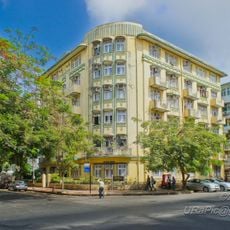
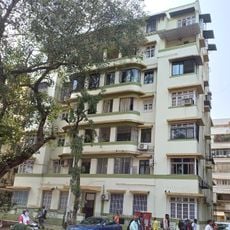
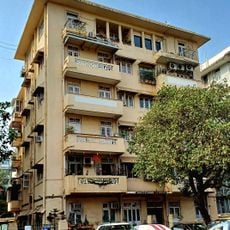
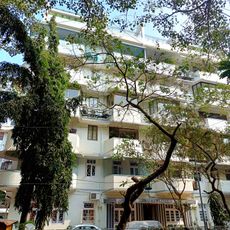
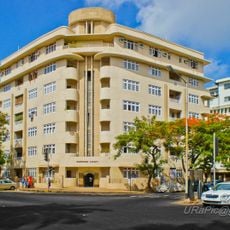
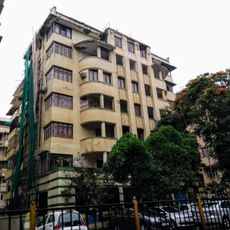
Victorian Gothic and Art Deco Ensembles of Mumbai
21 m
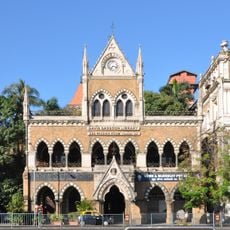
David Sassoon Library
240 m
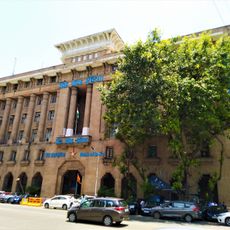
New India Assurance Building
195 m
University Library, Mumbai
19 m
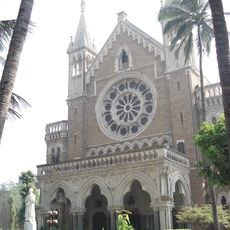
Convocation Hall, University of Mumbai
16 m
Kala Ghoda
277 m
Army & Navy Building
218 m
Shiv Shanti Bhuvan
235 m
Pankaj Mahal
255 m
Motabhoy Mansion
266 m
Queen's Court
227 m
Belvedere Court
256 m
Roshera
251 m
Rajjab Mahal
222 m
Swastik Court
251 m
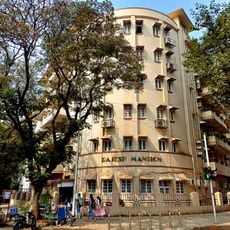
Rajesh Mansion
213 m
Lily Court
286 m
Fairfield
267 m
Empress Court
210 m
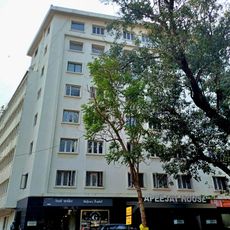
Apeejay House
255 m
City Civil & Sessions Court
228 m
Oval View
281 m
Fairlawn
284 m
HSBC Bank Main Branch Mumbai branch
228 m
Windsor House
219 mReviews
Visited this place? Tap the stars to rate it and share your experience / photos with the community! Try now! You can cancel it anytime.
Discover hidden gems everywhere you go!
From secret cafés to breathtaking viewpoints, skip the crowded tourist spots and find places that match your style. Our app makes it easy with voice search, smart filtering, route optimization, and insider tips from travelers worldwide. Download now for the complete mobile experience.
A unique approach to discovering new places❞
— Le Figaro
All the places worth exploring❞
— France Info
A tailor-made excursion in just a few clicks❞
— 20 Minutes