See the monuments around you in AROpen chests in the app
Around Us is built for your phone — point your camera at the streets and discover the monuments and places around you in augmented reality.Around Us is built for your phone — chests unlock when you walk, explore and capture nearby places.
Mumbai photography spots: architecture, religious sites, beaches
Mumbai is India's largest metropolitan area, combining colonial heritage with religious sites and modern cityscape. The architecture ranges from Victorian structures like Chhatrapati Shivaji Terminus and Bombay High Court to contemporary designs such as the Bandra-Worli Sea Link. Religious photography subjects include Hindu temples like Siddhivinayak and Mahalakshmi, Islamic sites like Haji Ali Dargah, Christian churches like Mount Mary and St. Thomas Cathedral, and the Jewish Magen David Synagogue. The Elephanta Caves on a harbor island offer 6th-century rock carvings.
Beaches along the Arabian Sea, including Juhu, Versova and the Marine Drive waterfront, provide opportunities for sunset and crowd photography. Sanjay Gandhi National Park in the northern suburbs contains forests, the ancient Kanheri cave temples, and occasional leopard sightings. Markets like Crawford Market and Chor Bazaar capture urban trade activity. Historic neighborhoods like Khotachiwadi preserve 19th-century wooden houses, while locations like Dhobi Ghat document traditional labor practices.
Mumbai photography spots: architecture, religious sites, beaches
Mumbai is India's largest metropolitan area, combining colonial heritage with religious sites and modern cityscape. The architecture ranges from Victorian structures like Chhatrapati Shivaji Terminus and Bombay High Court to contemporary designs such as the Bandra-Worli Sea Link. Religious photography subjects include Hindu temples like Siddhivinayak and Mahalakshmi, Islamic sites like Haji Ali Dargah, Christian churches like Mount Mary and St. Thomas Cathedral, and the Jewish Magen David Synagogue. The Elephanta Caves on a harbor island offer 6th-century rock carvings.
Beaches along the Arabian Sea, including Juhu, Versova and the Marine Drive waterfront, provide opportunities for sunset and crowd photography. Sanjay Gandhi National Park in the northern suburbs contains forests, the ancient Kanheri cave temples, and occasional leopard sightings. Markets like Crawford Market and Chor Bazaar capture urban trade activity. Historic neighborhoods like Khotachiwadi preserve 19th-century wooden houses, while locations like Dhobi Ghat document traditional labor practices.
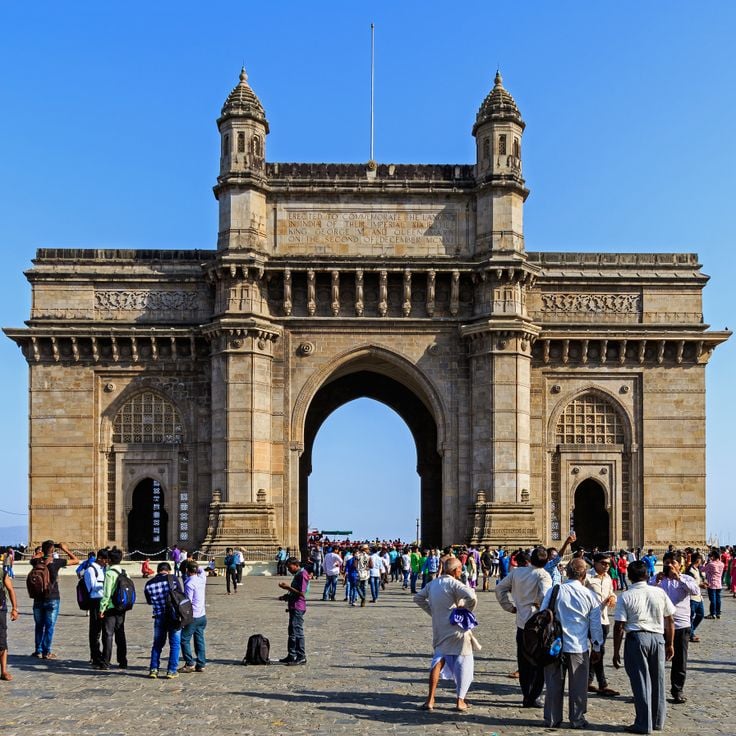
This basalt gateway was constructed in 1924 at the entrance to Mumbai Harbor and rises 85 feet (26 meters) above the Arabian Sea waterfront. The structure combines Indo-Saracenic design elements with Roman triumphal arches, originally marking the ceremonial landing point for British visitors. The front plaza serves as a central gathering point for photographic perspectives of the harbor and nearby colonial administrative buildings. The setting integrates this historical structure into Mumbai's collection of photography locations that document colonial architecture, religious sites and modern cityscapes. The waterfront position allows compositions with ferries, fishing boats and the city skyline in the background.
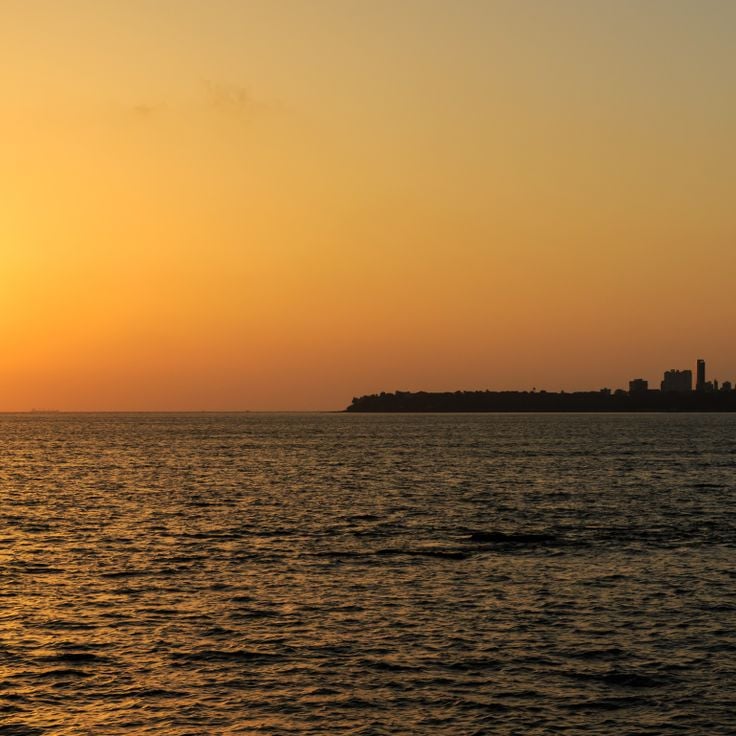
This coastal road extends three kilometers along Back Bay and ranks among Mumbai's main waterfront promenades. After sunset, street lights form a continuous illuminated line along the bay. The route connects several neighborhoods and provides views of the Arabian Sea. Local residents use the promenade for walking and jogging. The location suits photographs of the city skyline against the sea and long-exposure images of traffic flow and lighting after dark.
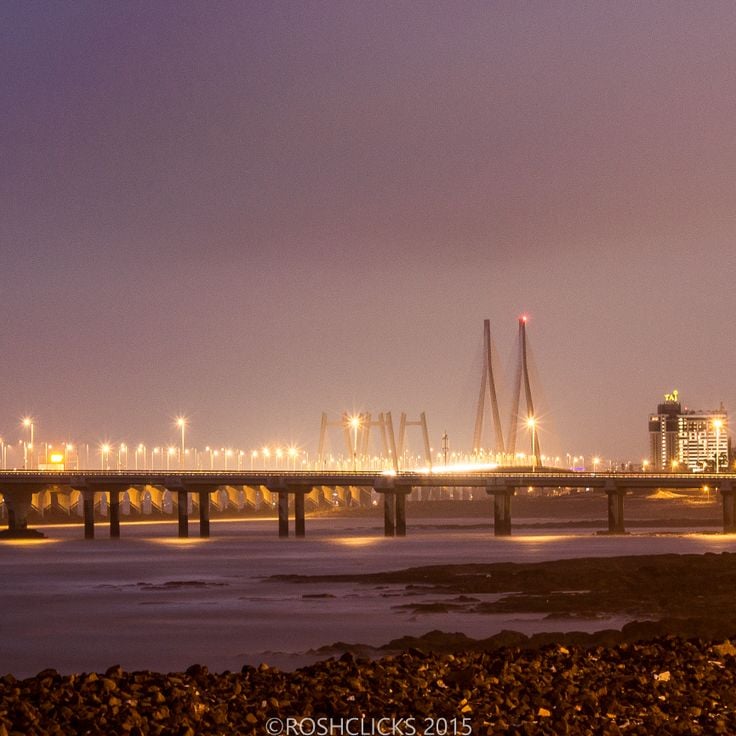
This bridge over the Arabian Sea connects western suburbs to the city center, extending 3.5 miles (5.6 kilometers) across the water. Eight lanes allow rapid traffic flow between districts. The structure offers photographic opportunities from the waterfront promenade and various viewpoints along the coast. Early morning and post-sunset hours work well for photography, when lighting highlights the structure and traffic volume decreases.
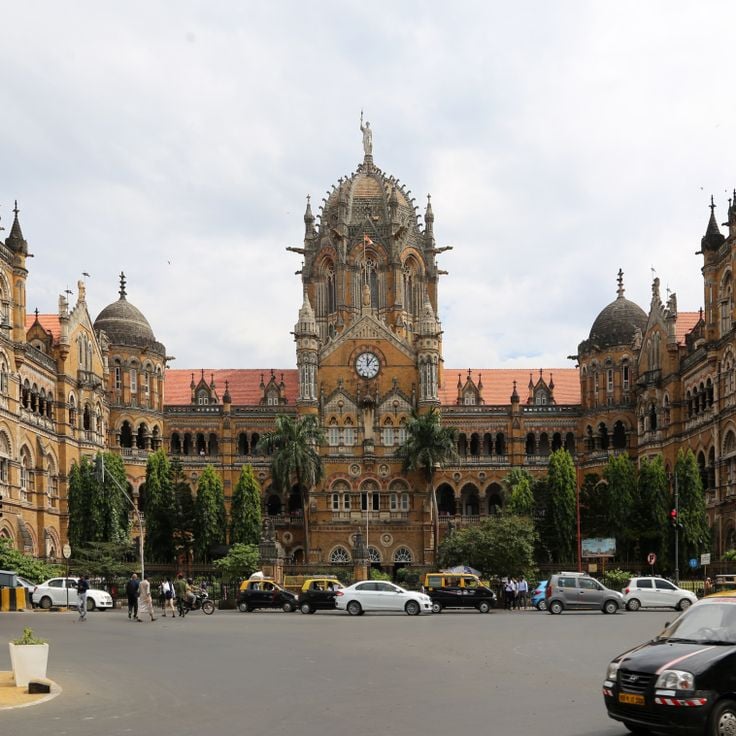
This station combines late 19th-century Italian Gothic with Indian design elements and stands among Mumbai's notable examples of colonial architecture. Completed in 1887, the facade presents stone sculptures, wooden elements and colored windows across multiple stories. The structure uses local materials and craftsmanship to merge Gothic pointed arches and towers with traditional Indian ornaments. The building functions today as a major transit hub for the city and offers photographers several perspectives on its detailed exterior work and daylit interior spaces. The station illustrates the architectural approach British builders took in India during the colonial period.
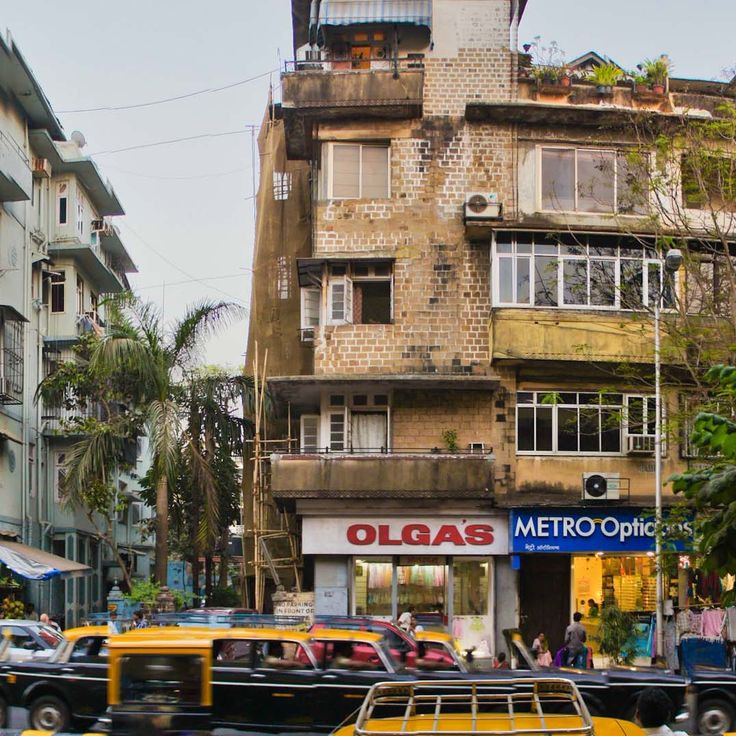
This street connects Fort to Colaba and has served as a primary shopping district for over a century. Market vendors sell textiles, handcrafted goods and local artwork along the walkway. The adjacent buildings display British colonial architecture from the 19th century, featuring characteristic facades and balconies. Colaba Causeway appears in photographs as documentation of Mumbai's historic commercial quarter, with the combination of street scenes, architectural details and daily market operations illustrating the city's colonial legacy.
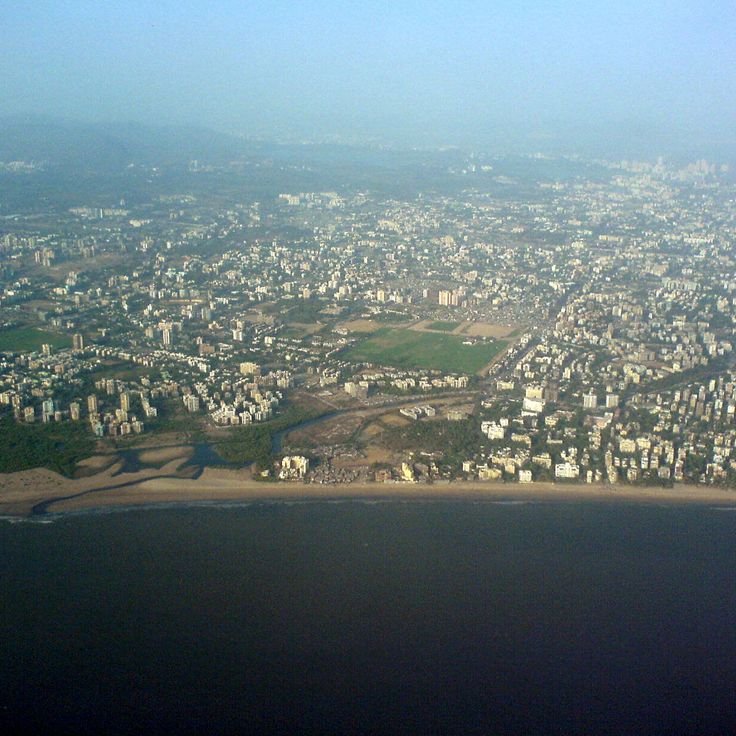
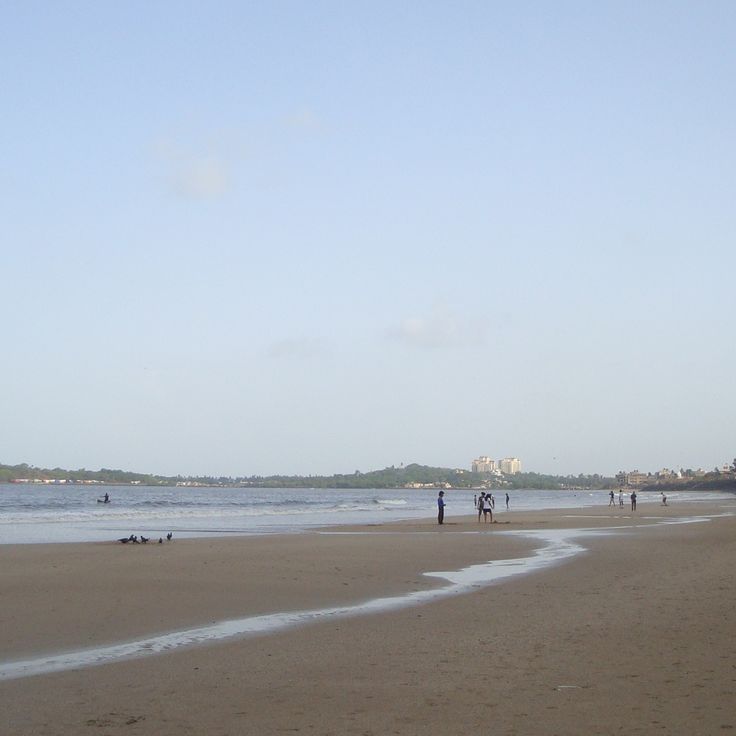
This beach stretches for 4 miles (6 kilometers) along Mumbai's coastline and draws visitors who walk along the water and watch the sunset over the Arabian Sea. Juhu Beach features numerous stalls selling snacks like pav bhaji and bhel puri, as well as vendors offering souvenirs. The beach connects everyday city life with photogenic moments during low and high tide, when fishermen lay out their nets and families gather along the shore. The setting works well for capturing urban beach life in Mumbai.
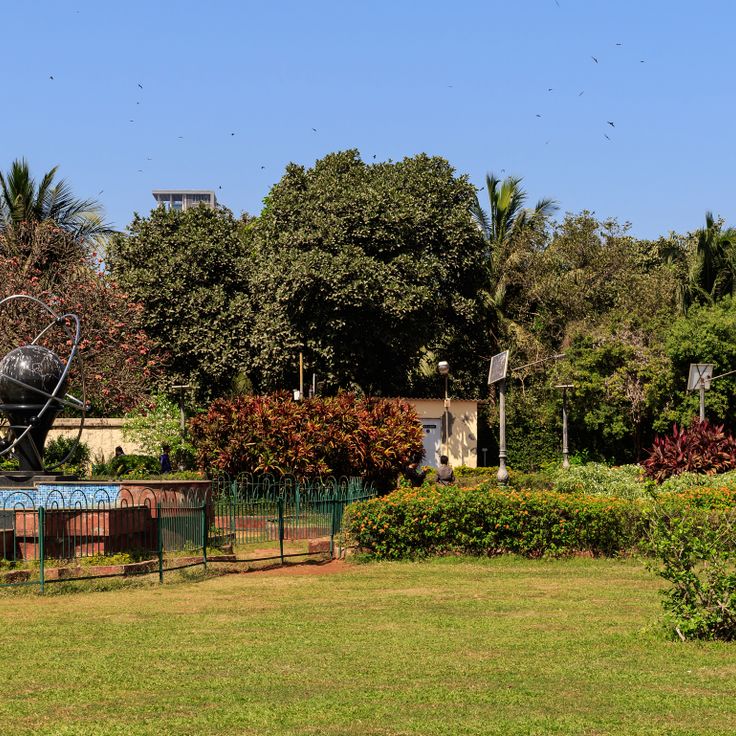
These terraced gardens on Malabar Hill overlook the Arabian Sea and complement Mumbai's photographic range of colonial architecture and religious sites. The trees shaped as animals provide unusual subjects for nature photography within the city. The elevated position allows views across surrounding neighborhoods and the coastline.
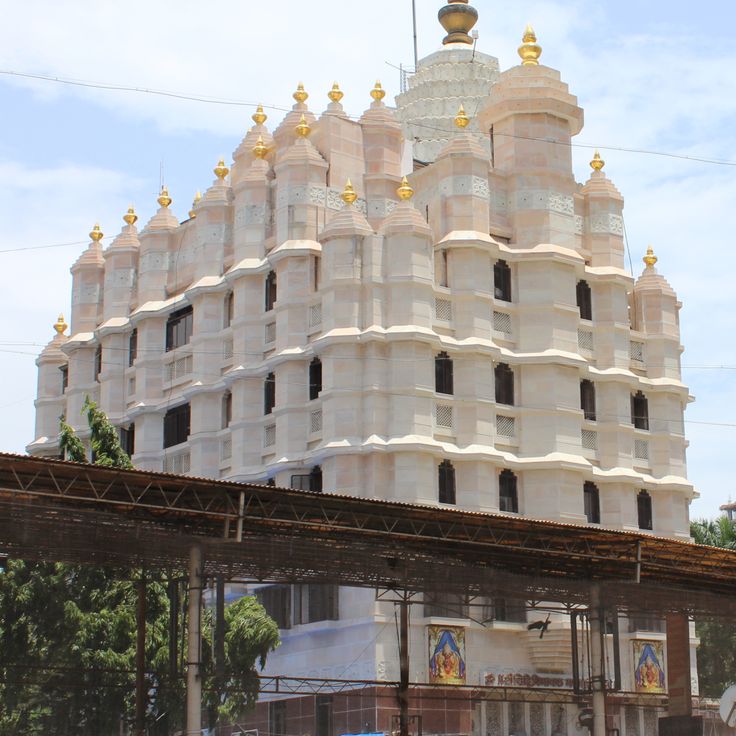
This Hindu temple from 1801 is a major pilgrimage site in Mumbai, drawing thousands of visitors daily. The main hall houses an 8-foot (2.5-meter) Ganesha statue carved from black stone, adorned with ornaments and flower garlands. The central dome was plated with gold in 1997, giving the structure a distinctive appearance. Located in the Prabhadevi neighborhood, the temple offers photographers subjects of religious architecture and active temple rituals that define daily life for many Mumbaikars.
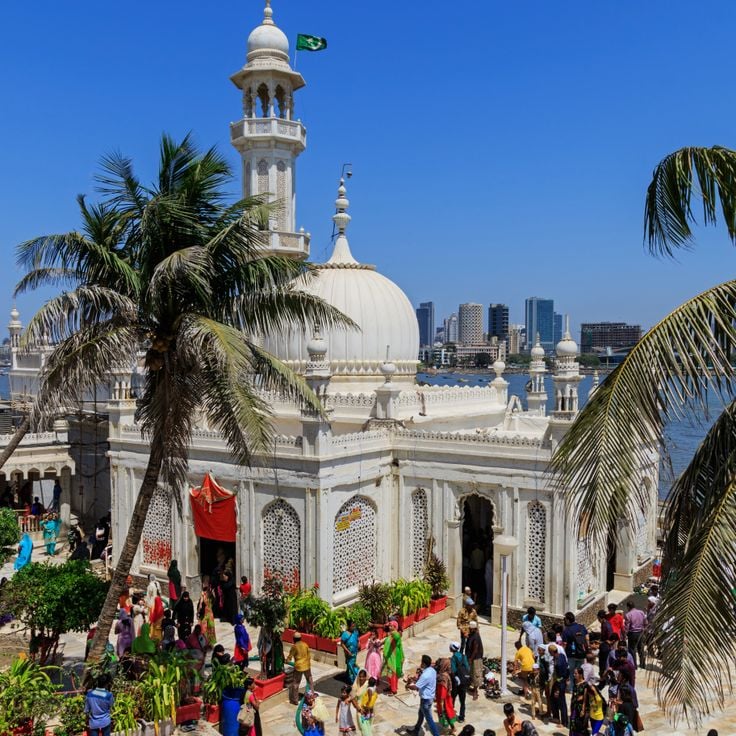
This shrine sits on an artificial island approximately 500 meters (1,640 feet) offshore, accessible via a causeway that floods during high tide. The white and cream structure features a central dome and minarets, combining Indo-Islamic architectural elements. Access to Haji Ali Dargah follows a paved walkway extending from the mainland to the island. The complex includes the main shrine building, several prayer halls and smaller structures within the walled compound. Photographers find compositions from the shoreline across the causeway to the architecture itself, particularly during receding tides or evening hours when lighting illuminates the pale facade.
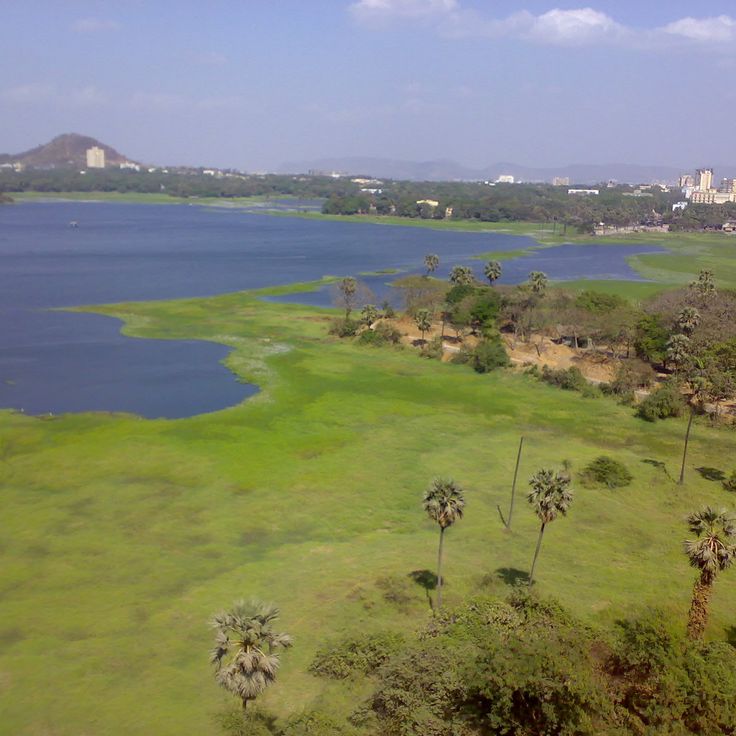
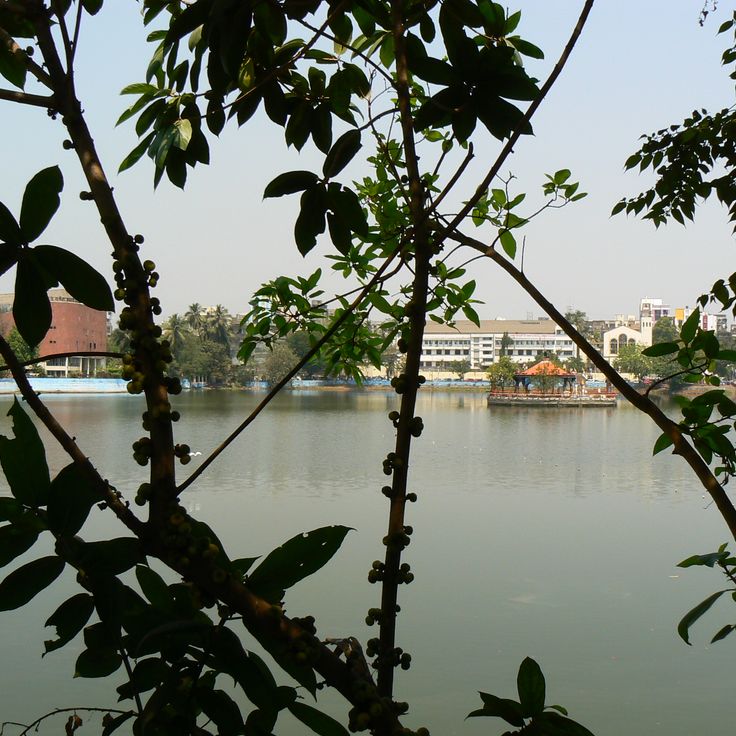
This artificial lake covers 2.1 square miles (5.4 square kilometers) in northeastern Mumbai and serves as a water reservoir for the city. Powai Lake was constructed in the 1890s and sits between forested hills that contrast with the surrounding urban environment. The lakeside paths provide vantage points for capturing the water surface under different lighting conditions, while the western shore offers views toward Sanjay Gandhi National Park in the background. The lake attracts migratory birds, particularly during winter months, and the morning atmosphere along the water adds to the photographic range of this collection of Mumbai's varied landscapes.
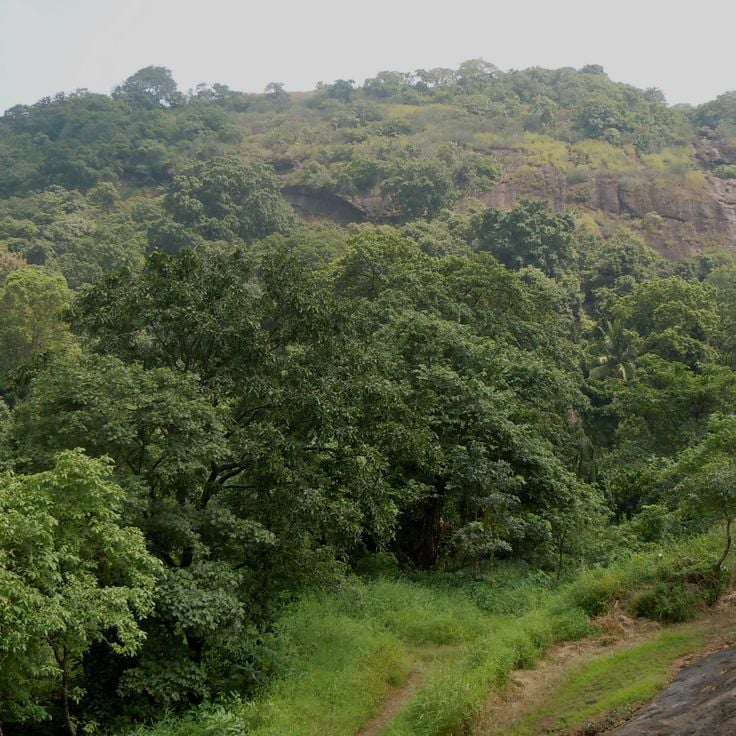
This national park covers 104 square kilometers in northern Mumbai and provides a contrast to the dense city neighborhoods. The reserve shelters leopards, macaques and several hundred bird species across its forested hills. The Kanheri Caves, dating from the 2nd century CE, contain Buddhist stone carvings and prayer halls carved into basalt rock. Photographers find wildlife subjects, ancient religious sites and forest landscapes that show a different aspect of the Mumbai region.
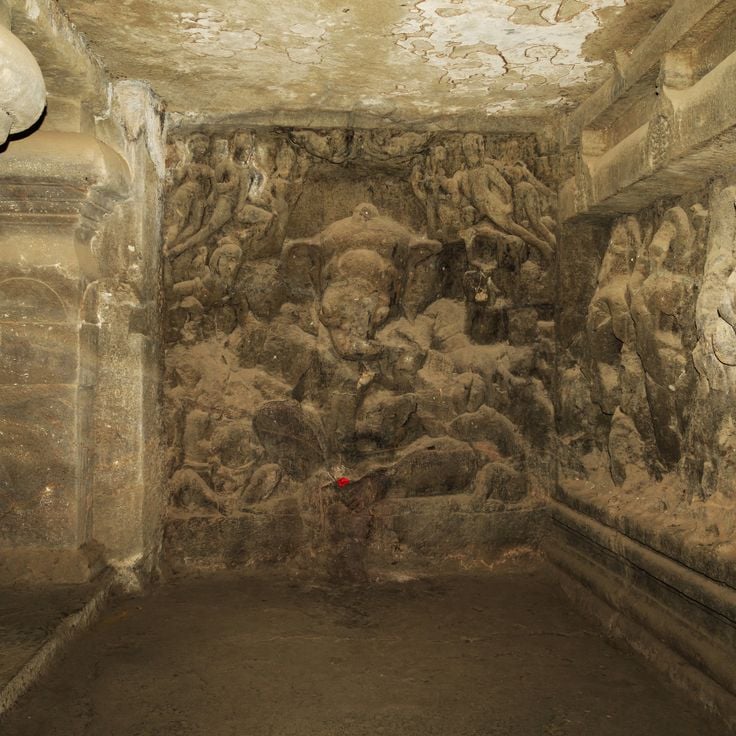
These cave temples on Gharapuri Island consist of seven structures carved into basalt rock during the 5th century, dedicated to Shiva. The site displays reliefs and statues of Hindu deities, including the 18-foot (5.5-meter) tall three-headed Shiva sculpture known as Trimurti. The Elephanta Caves stand 6.2 miles (10 kilometers) east of Mumbai in the Arabian Sea, accessible by ferry from the Gateway of India. The temple complexes document the religious stone carving practices of western Indian dynasties and gained UNESCO World Heritage status in 1987. For photographers, these cave temples provide subjects ranging from colossal religious sculpture and architectural stonework to island settings on the sea, contextualizing Mumbai as a historic center of Hindu rock-cut temple construction.
This public beach extends three kilometers along the Arabian Sea shoreline in northwest Mumbai. Versova Beach forms a continuous stretch of sand with rows of palm trees and offers angles on fishermen laying out their nets and traditional boats along the shore. The beach allows for sunset photographs over the water, shots of the promenade with local vendors, and contrasts between the natural coastline and the dense urban development behind it. Morning hours reveal the activities of the resident fishing community, while evenings bring local residents walking along the shore.
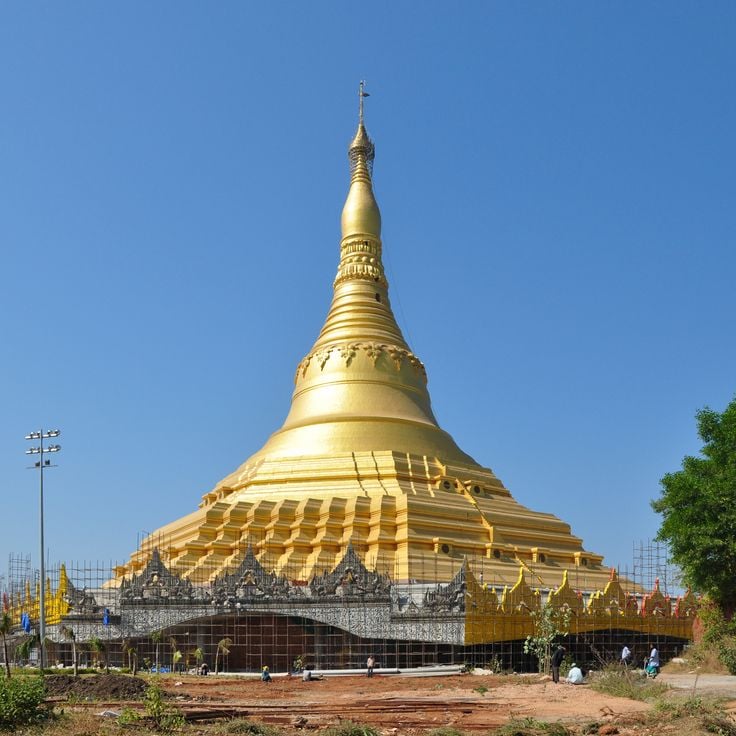
This Buddhist meditation center was completed in 2009 and serves as a venue for Vipassana meditation practice in Mumbai. The Global Vipassana Pagoda features a golden dome rising 315 feet (96 meters) with a diameter of 279 feet (85 meters), constructed without supporting pillars. The main meditation hall accommodates approximately 8000 people, making it one of the largest pillar-free domed structures in the world. The pagoda sits on a peninsula in Gorai and houses relics of Buddha brought from Myanmar. The grounds include a museum dedicated to Buddhist teachings and architecture.
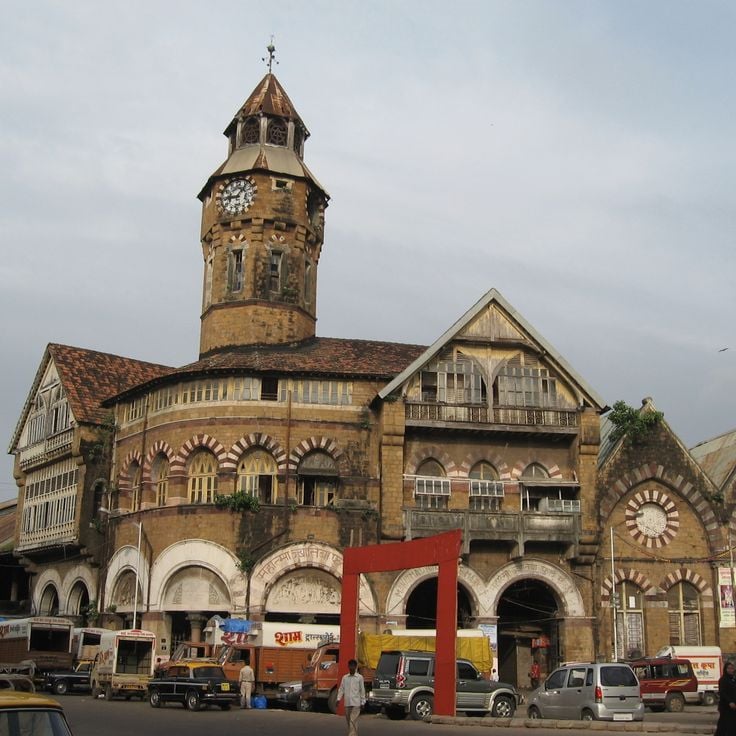
This market dates from 1869 and occupies a stone building decorated with friezes and gargoyles. Crawford Market represents one of Mumbai's significant examples of British colonial architecture and continues to function as a major trading center for fruits, vegetables and spices. The halls combine Gothic architectural elements with practical market structures, offering photographers opportunities to document historic architecture alongside the busy activity of Indian street commerce. The vendor stalls extend through multiple rooms where merchants display their goods beneath high arches.
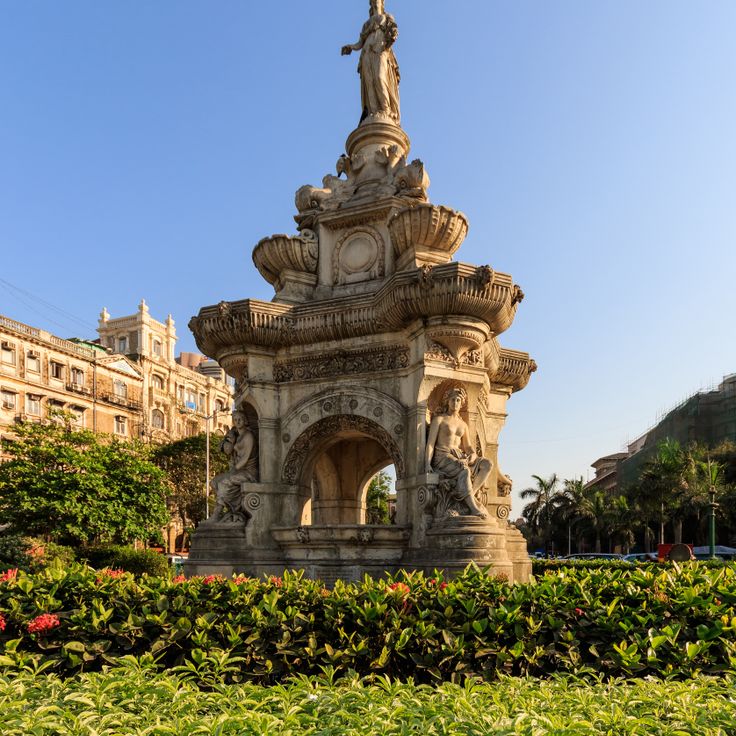
Flora Fountain marks the architectural center of the Fort business district. This Portland stone structure from 1864 features the Roman goddess Flora and combines colonial design with urban function. The fountain documents British Raj construction and offers photographers a combination of sculpture, surrounding buildings and street scenes. The structure serves as a junction point for images that unite Mumbai's historical architecture with contemporary business activity.
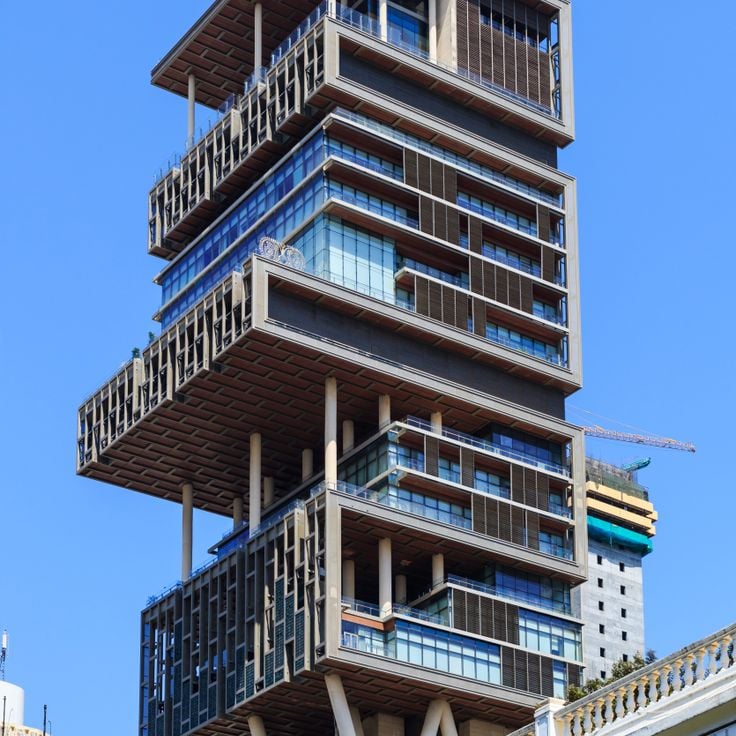
This private residential tower rises 27 floors above Mumbai and combines several architectural elements with vertical gardens along its exterior walls. Antilia features six basement levels for vehicle parking and rooftop helicopter landing areas. The structure is known for its unconventional building form and height, creating a marked contrast with surrounding development. For photographers, the building is visible from public streets and areas throughout the city and documents the construction boom in modern Mumbai alongside historic colonial buildings and religious sites.
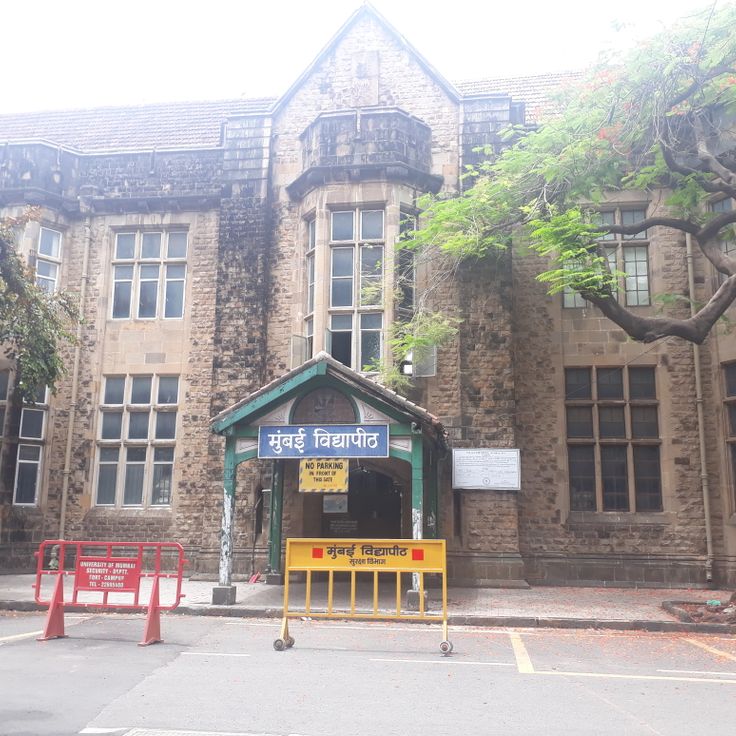
This 19th-century university building displays Gothic architecture and houses a central library containing over 850,000 books and historical manuscripts. The structure ranks among Mumbai's significant colonial buildings and offers photographers details such as pointed arches, towers and stone facades. The building stands in the city's educational district and combines academic function with architectural design from the British colonial period. The library holdings include rare documents and text collections.
This market on Mutton Street features more than 100 stalls selling antiques, old furniture, electronics and various secondhand items. The narrow lanes are lined with vendors displaying their goods on the ground or in small shops. Chor Bazaar originated in the 19th century and developed into one of Mumbai's largest markets for antiques and used goods. The architecture of surrounding buildings shows colonial and traditional Indian elements. For photographers, the densely packed stalls, the interplay of light and shadow in the narrow alleys, and the interactions between vendors and customers provide compelling subjects that document the city's everyday commercial life.
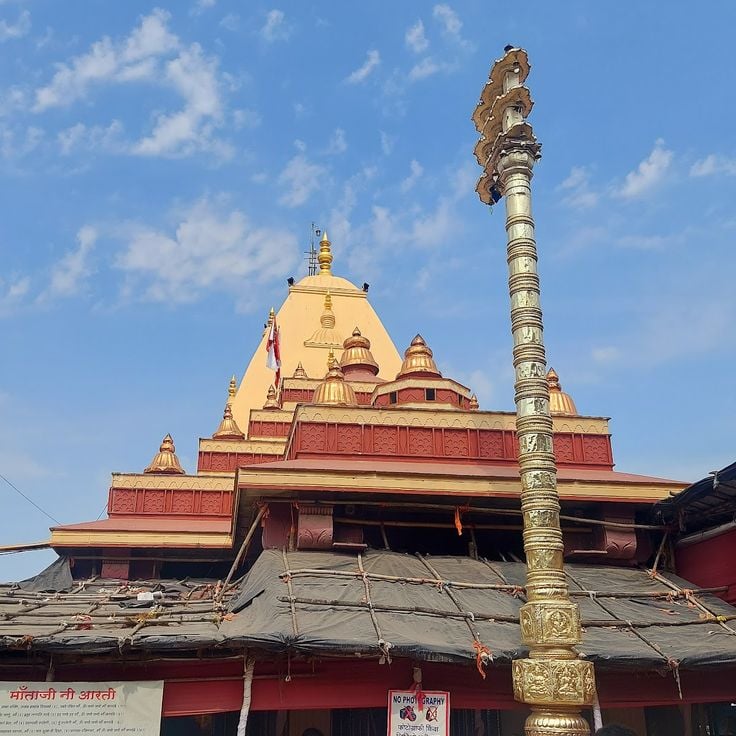
This religious complex from the 18th century houses three temples under one structure and ranks among the major Hindu sites of worship in Mumbai. The shrines are dedicated to the goddesses Mahalakshmi, Mahakali and Mahasaraswati. Located near the coast, Mahalakshmi Temple draws large crowds during religious festivals such as Navaratri. Photography opportunities include colorful ornamentation, the architecture of individual shrines and the activity during prayer times. The location provides views of religious ceremonies, local devotion and traditional temple architecture within Mumbai's urban setting. The complex remains active throughout the day, with early morning and evening hours seeing the most ritual activity and lighting conditions suitable for photography.
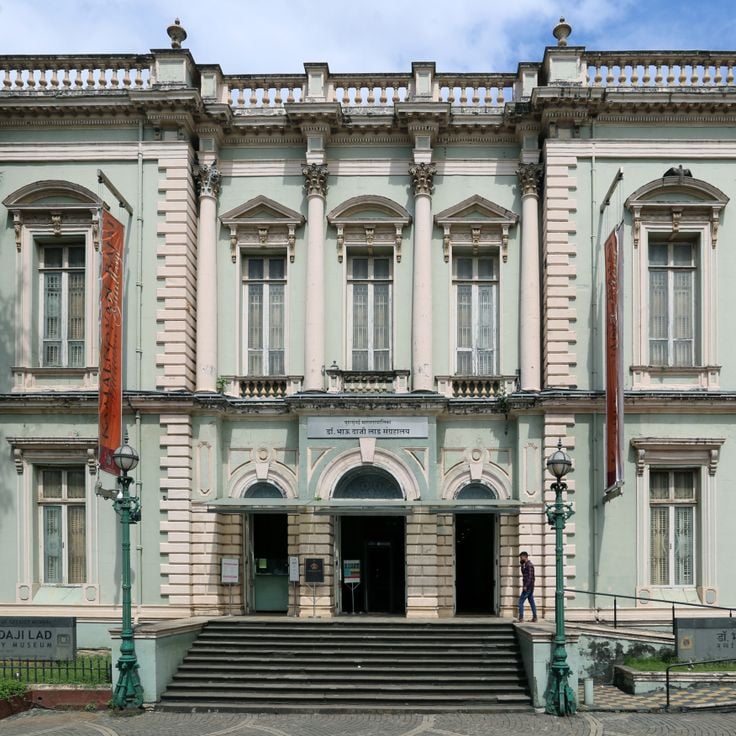
This museum of urban history displays crafts, textiles and models from colonial times to the present. Established in 1857, the Dr. Bhau Daji Lad Museum documents Mumbai's evolution through collections of decorative arts, historical photographs and architectural replicas. The exhibits include traditional craftwork, terracotta figures and dioramas depicting urban life across different periods. Photographers find documentary and detail photography opportunities in the restored building, which combines period exhibits with architectural elements reflecting the city's historical layers.
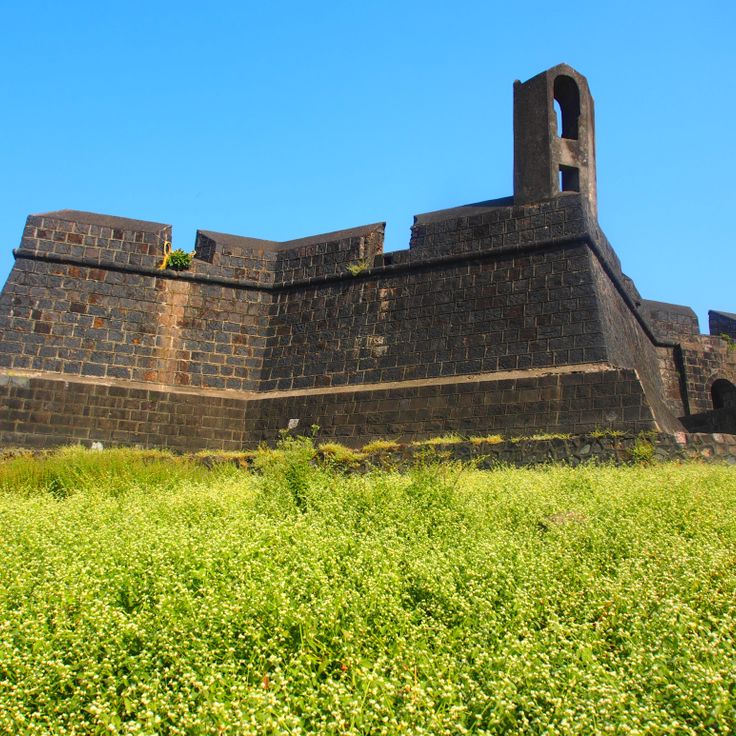
This fortification on a peninsula in the Arabian Sea was built during the British colonial period and serves as a vantage point for photographing Mumbai's coastline. Worli Fort offers views across the water and adjacent neighborhoods from its elevated position on the rocky outcrop. The stone walls and watchtowers provide architectural subjects, while sunset light silhouettes the fortification's outline. The combination of historical construction and maritime setting makes this location useful for photographers documenting colonial structures and modern urban development in Mumbai. The fort's accessible position near the city center allows for straightforward visits while capturing images of both the structure itself and the surrounding waterfront.
This freshwater lake in Thane district offers boat rental services and serves as a habitat for various water birds. Masunda Lake complements Mumbai's religious sites and historical buildings by showing the natural side of the metropolitan area. The lake attracts birdwatchers and visitors seeking quieter surroundings beyond the city center. The waters and surrounding greenery provide photo opportunities with reflected light during sunrise and sunset, while bird activity peaks in early morning hours.
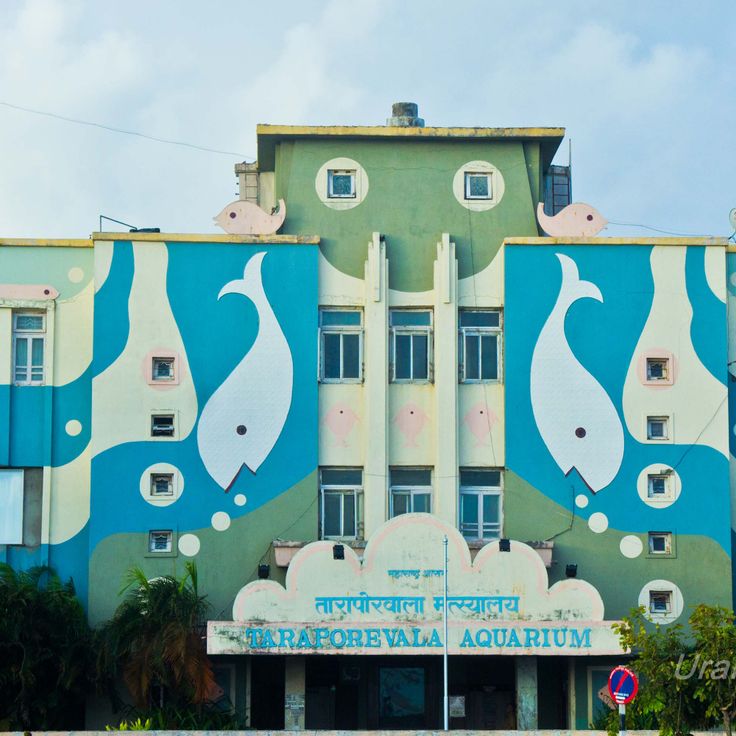
This aquarium opened in 1951 as India's first public facility of its kind and sits along the Marine Drive waterfront. The facility displays marine fish, corals and freshwater species across 30 tanks, including shark species, tropical reef inhabitants and local species from the Arabian Sea. Photographers find opportunities for underwater perspectives and architectural details of the historic building. The combination of scientific exhibition and colonial-era architecture makes Taraporewala Aquarium a specific location among Mumbai's heritage institutions. Its Marine Drive position allows pairing with other photographic subjects along the waterfront.
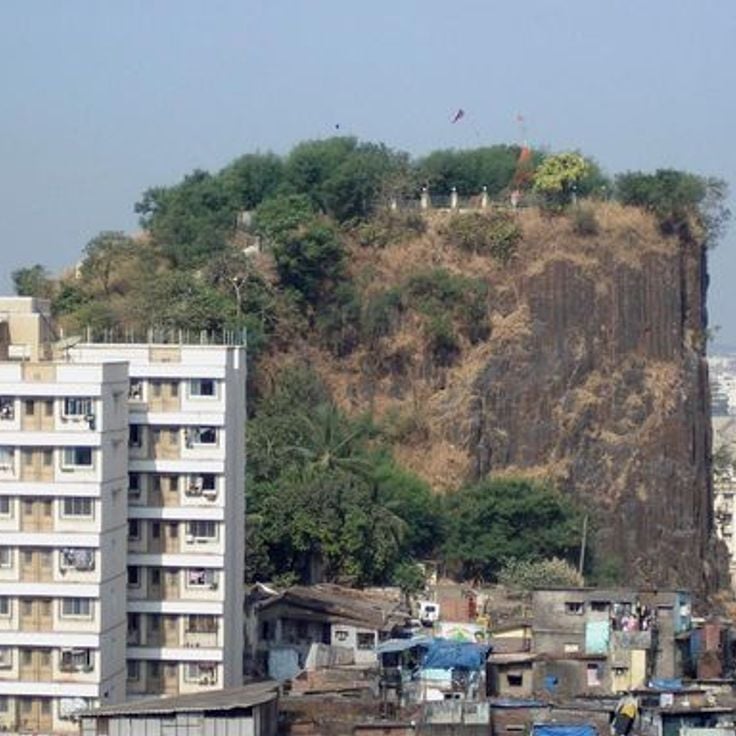
This vertical basalt monolith from the Cretaceous period rises 200 feet (60 meters) and offers views across the Mumbai cityscape. Gilbert Hill formed approximately 66 million years ago through volcanic activity and ranks among the few freestanding basalt columns located within urban areas. The formation sits in the Andheri West neighborhood, surrounded by residential blocks, and supports two small temples at its summit. The ascent via rock-cut steps leads to a platform where photographers can survey the densely built surroundings. The geological structure and the contrast between natural rock and modern architecture make this site a worthwhile subject for photography in Mumbai.
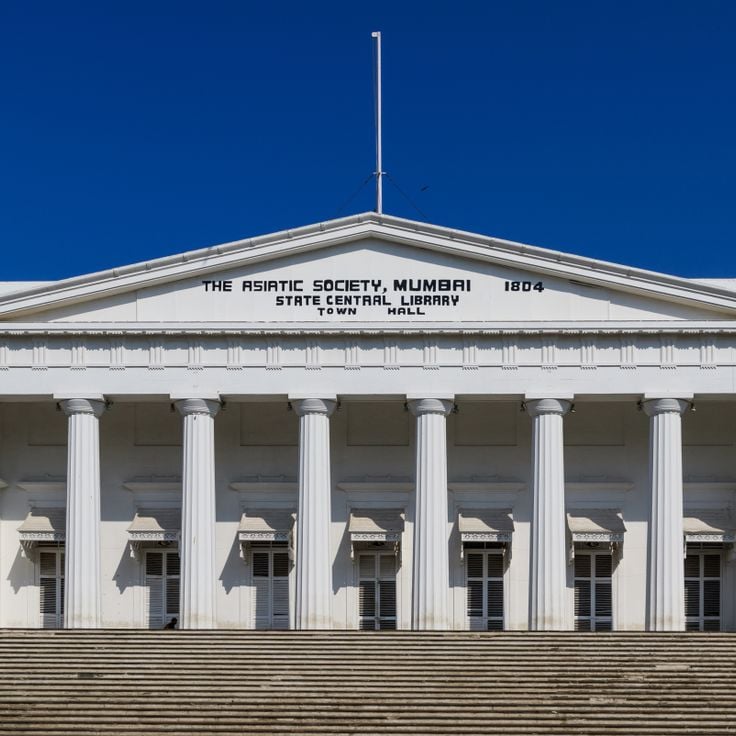
This research library was established in 1804 and preserves a collection of approximately 100,000 works, including original manuscripts and incunabula from the 15th century. The building represents colonial scholarship in Mumbai and offers photographers access to historical reading rooms with high ceilings, wooden shelves and natural light through tall windows. The architecture combines neoclassical elements with functional spaces for academic work. Original manuscripts and rare prints document South Asian history, while the interiors show typical features of early scholarly institutions. The Asiatic Society Library complements Mumbai's photographic representation of colonial educational establishments and historical document collections.
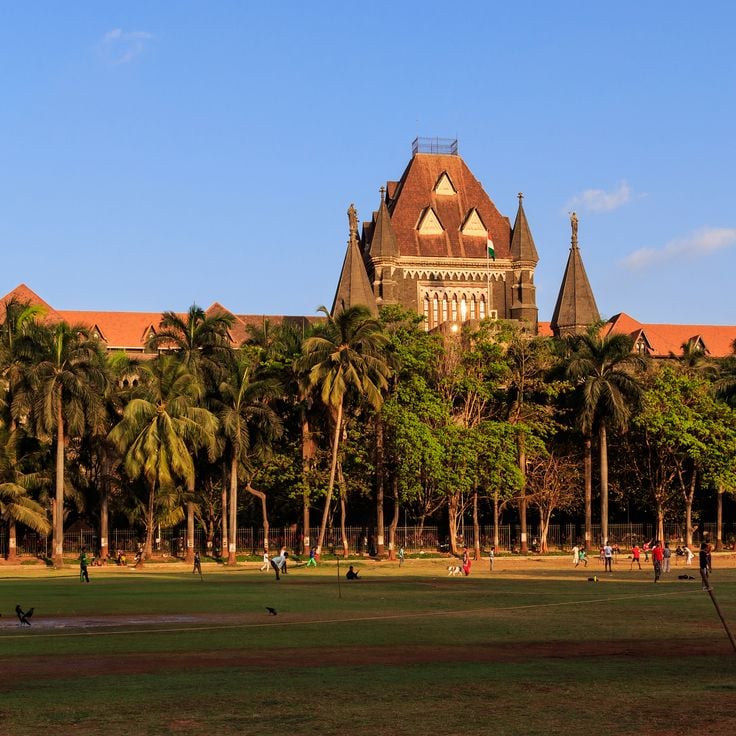
This Victorian judicial building from 1878 stands among Mumbai's most significant colonial structures, representing British architectural influence in the city during the 19th century. Constructed of gray basalt and limestone, this courthouse combines Gothic elements with functional judicial spaces and forms part of the same architectural heritage as the Central Station. The facade with its pointed arches, towers and detailed stonework makes the Bombay High Court one of the city's most photogenic historical buildings for capturing Mumbai's colonial past.
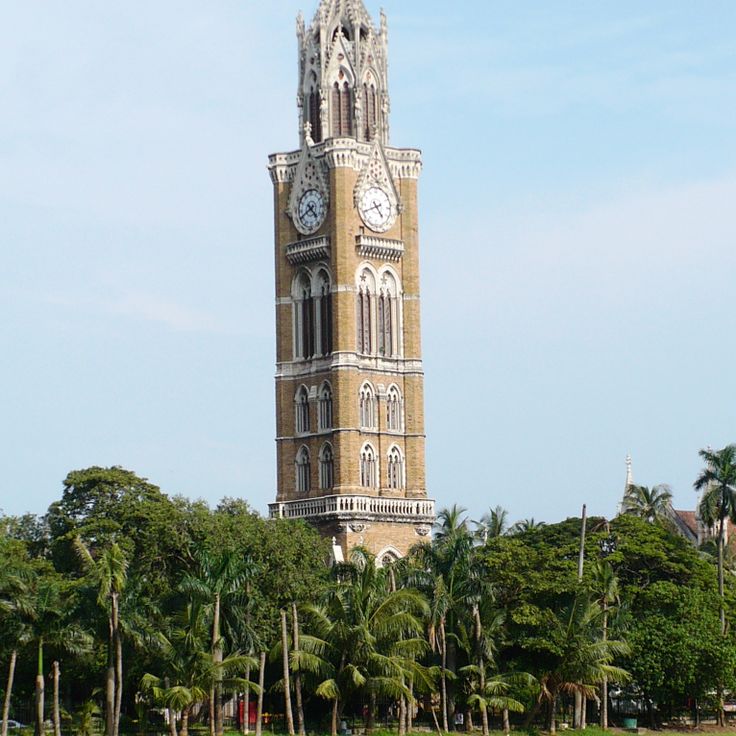
This bell tower from 1878 stands on the University of Mumbai grounds and combines Venetian Gothic with functional tower architecture. The 280-foot (85-meter) structure features stained glass windows, stone sculptures and eight bells that originally chimed at different times of day. The tower was designed by Gilbert Scott and served as a timekeeper for the academic quarter. For photographers, the Rajabai Clock Tower offers perspectives on Victorian-era construction that fits into Mumbai's architectural layers and documents the colonial chapter of the city.
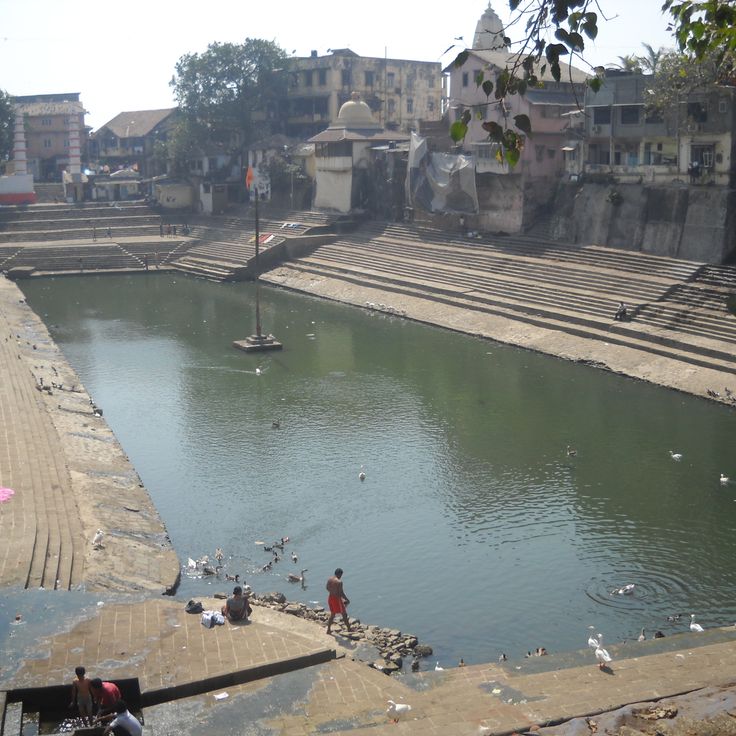
This rectangular water reservoir from the 12th century sits within the Walkeshwar temple complex and has served as a ritual bathing tank for centuries. Steps descend into the water from all sides while several temples line the stone embankments. The site documents continuous religious use spanning more than 800 years and offers photographic subjects including Hindu architecture and daily ritual life. Pilgrims visit the tank for ceremonial ablutions, particularly during religious festivals. The contrast between ancient stone structures and surrounding modern Mumbai creates visual compositions for photographers documenting both historical and contemporary elements of the city.
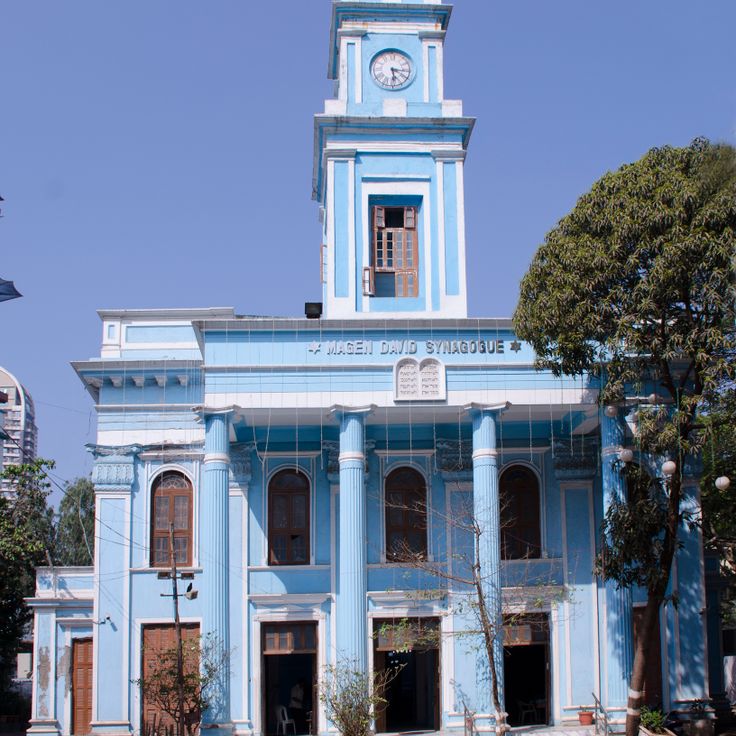
This synagogue from 1861 represents one of Mumbai's key Jewish structures and reflects the presence of Baghdadi Jews in the city. The facade in light blue paint combines tall pointed arches with geometric patterns. Inside, visitors find typical elements of Baghdadi architecture, including decorated woodwork and religious ornaments. The building stands near Crawford Market and forms part of Mumbai's architectural heritage alongside other historical structures like the Central Station, offering photography opportunities that document the city's blend of colonial buildings, religious sites and modern urban landscapes.
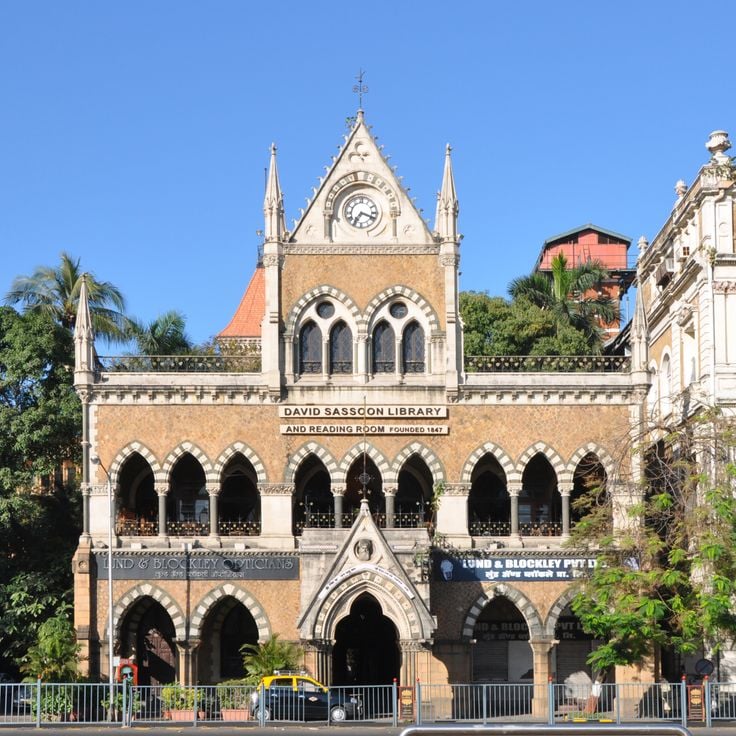
This 19th-century library displays Victorian architecture with stone facade and columns, surrounded by a garden. The collection includes old books and historical documents. The site works for photographing colonial architecture in Mumbai and complements photographic studies of the city's historical structures. The exterior provides opportunities for architectural detail shots, while the garden offers contrast to the urban surroundings.
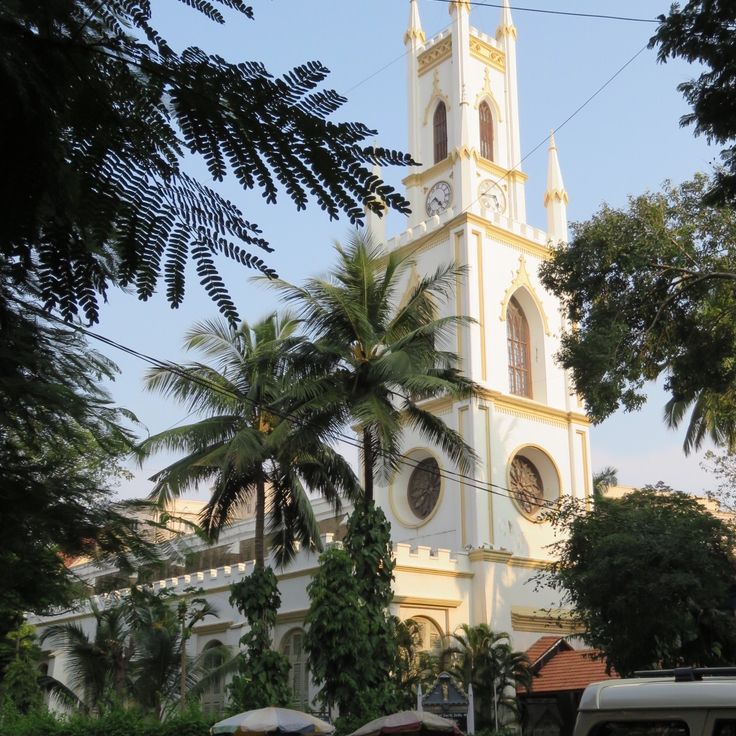
This Anglican church was built in 1718 and displays British colonial architecture with Gothic arches, stained glass windows and high ceilings. St. Thomas Cathedral represents an early example of European ecclesiastical architecture in Mumbai and contributes to the photographic documentation of the city alongside historical structures like Central Station, religious sites and modern cityscapes. The interior spaces provide opportunities for capturing church architecture with colonial heritage elements.
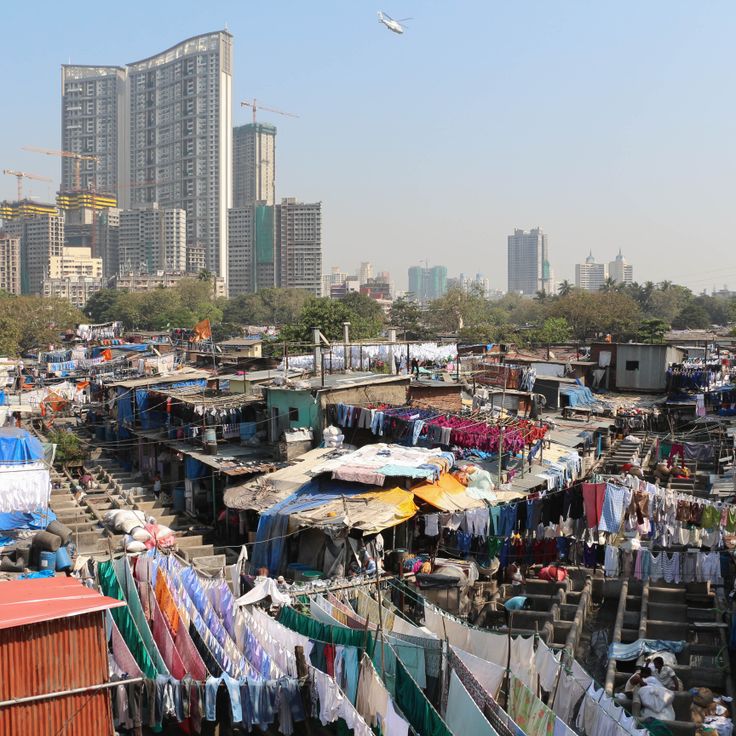
Dhobi Ghat is an open-air laundry facility in central Mumbai where hundreds of washers clean clothes on stone platforms using traditional methods. This facility processes daily laundry from hotels, hospitals and private households, offering photographic perspectives on the parallel rows of washing stations, hanging textiles and work processes. The facility sits near Mahalaxmi station and enables documentation of Mumbai's urban infrastructure and the continuation of traditional trades within the modern city.
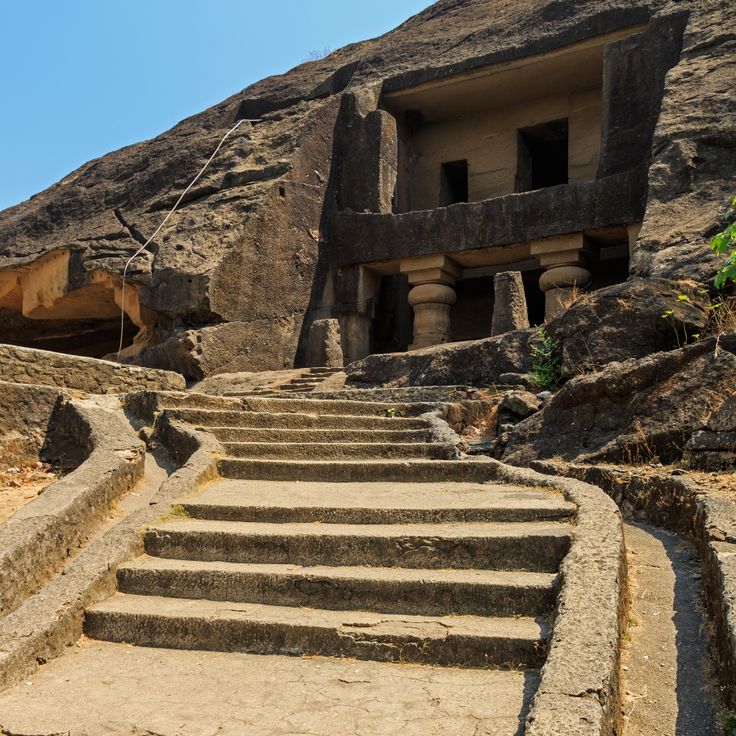
The Kanheri Temples were carved from solid basalt and represent one of Mumbai's most significant Buddhist sites. This first-century complex comprises over one hundred caves containing stupas, prayer halls and living quarters for monks. The walls display reliefs and inscriptions in Brahmi script, while several caves preserve traces of painted murals. The site lies within Sanjay Gandhi National Park and offers photographers historic architecture set among forested hills. The main chaitya hall, with its rows of columns and large stupa, stands as one of the finest examples of early Buddhist rock-cut architecture in western India.
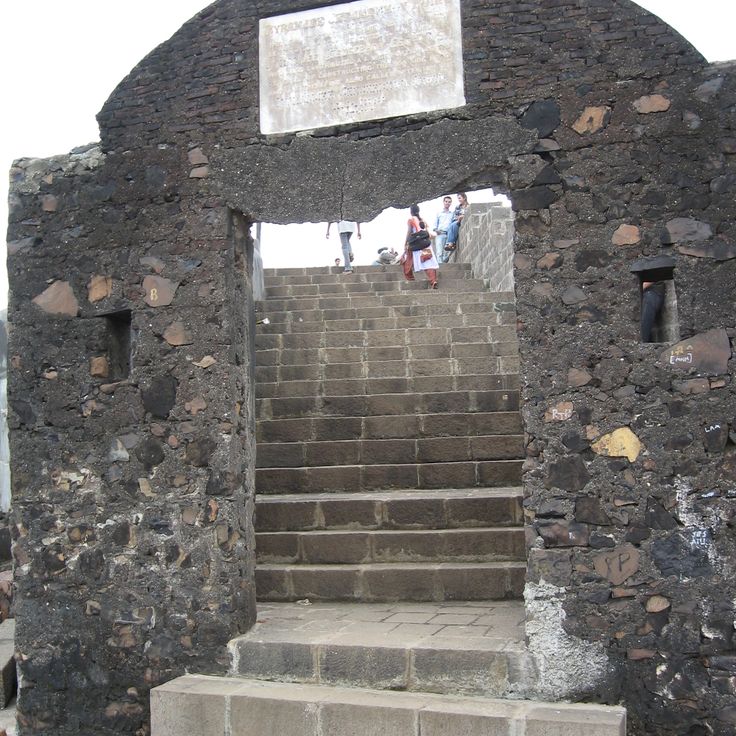
This Portuguese fortress from the 17th century stands in Mumbai and offers views across the Arabian Sea and the Bandra-Worli Sea Link. The site displays colonial military architecture with preserved fortification walls and a lighthouse. As a historical defense structure from the Portuguese colonial period, Castella de Aguada adds to the photographic opportunities in Mumbai that range from Gothic railway stations to religious sites and modern cityscapes. The seaside position allows for shots of coastal fortifications and maritime perspectives.
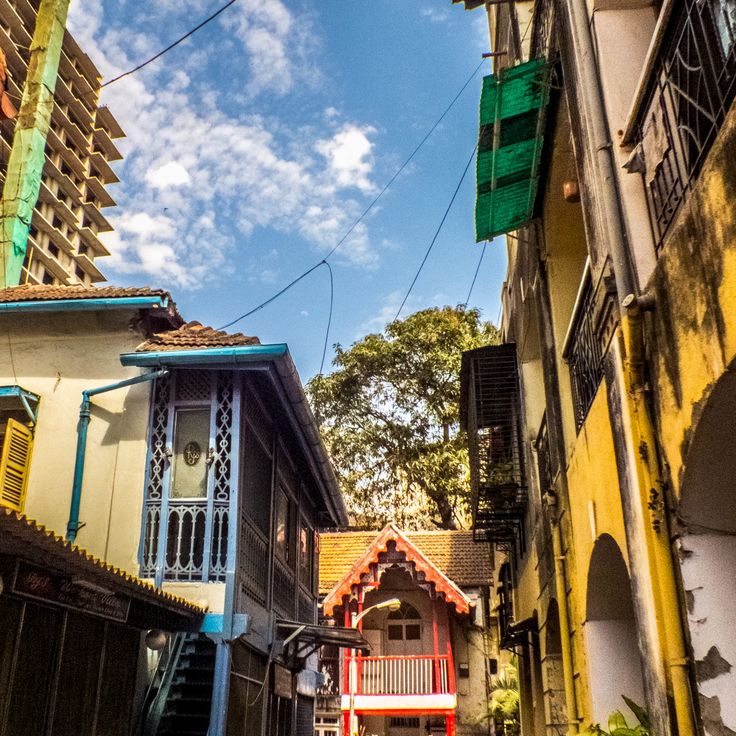
This residential neighborhood sits in the heart of Mumbai and preserves a collection of 19th-century Portuguese wooden houses that contrast with the city's modern architecture. Khotachiwadi offers photographers well-maintained facades featuring decorative balconies in various colors, traditional shutters, and narrow lanes between the historic structures. The buildings represent Mumbai's colonial era and complement the Gothic elements of Central Station and other historical landmarks through their distinctive Portuguese construction. The wooden frames and colorful details create subjects that differ from the city's religious sites and modern cityscapes.
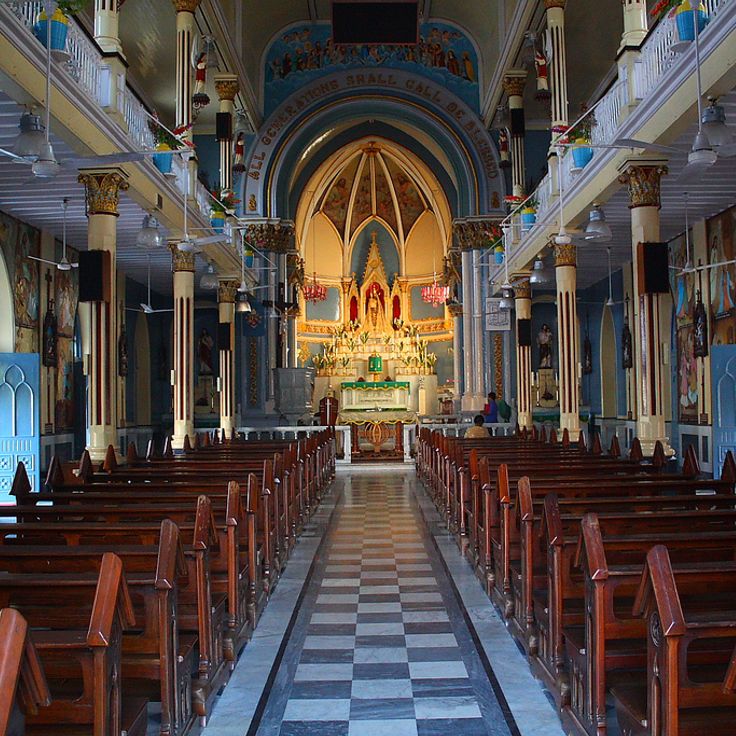
This white stone church stands on a 260-foot (80-meter) hill above the Mumbai coastline and ranks among the city's most photographically rewarding religious sites. The facade displays Gothic elements and several statues of religious figures that stand out against the sky. As a Catholic pilgrimage site since the 16th century, the building combines colonial architectural traditions with Mumbai's religious diversity. The elevated position provides views across the Arabian Sea and surrounding neighborhoods, while the architecture itself offers opportunities for detailed shots of stonework and decorative elements.
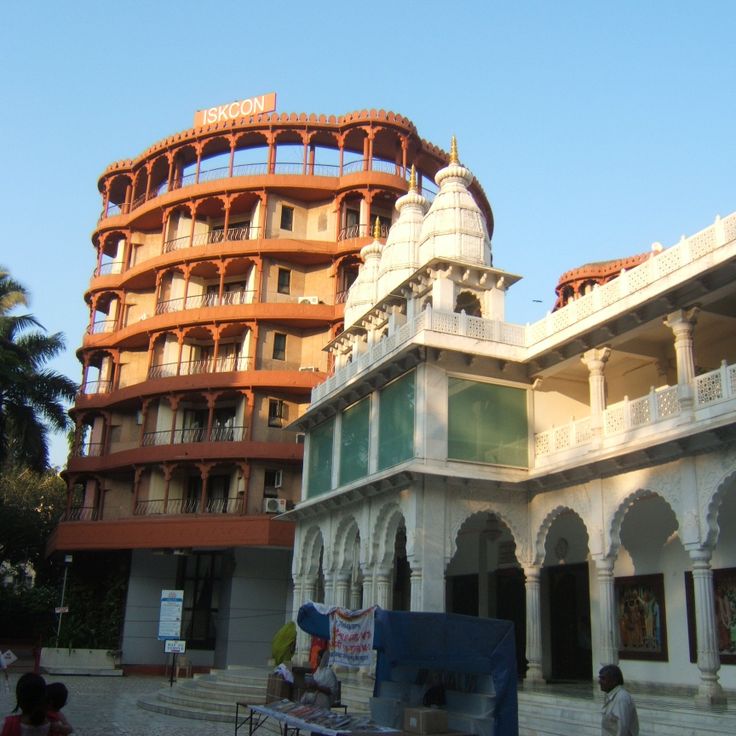
This temple in Juhu features Hindu altars and traditional Indian architecture. The complex encompasses several buildings with ornate facades and courtyards. The main hall contains elaborately designed altars dedicated to Krishna, with carved pillars and colored ceiling paintings. Visitors find religious artworks, murals and sculptures throughout the complex. The facility serves as a cultural center with exhibition spaces and gardens. The location near Juhu Beach makes the temple an accessible site for religious photography and architectural shots in Mumbai.
This basalt gateway was constructed in 1924 at the entrance to Mumbai Harbor and rises 85 feet (26 meters) above the Arabian Sea waterfront. The structure combines Indo-Saracenic design elements with Roman triumphal arches, originally marking the ceremonial landing point for British visitors. The front plaza serves as a central gathering point for photographic perspectives of the harbor and nearby colonial administrative buildings. The setting integrates this historical structure into Mumbai's collection of photography locations that document colonial architecture, religious sites and modern cityscapes. The waterfront position allows compositions with ferries, fishing boats and the city skyline in the background.
This coastal road extends three kilometers along Back Bay and ranks among Mumbai's main waterfront promenades. After sunset, street lights form a continuous illuminated line along the bay. The route connects several neighborhoods and provides views of the Arabian Sea. Local residents use the promenade for walking and jogging. The location suits photographs of the city skyline against the sea and long-exposure images of traffic flow and lighting after dark.
This bridge over the Arabian Sea connects western suburbs to the city center, extending 3.5 miles (5.6 kilometers) across the water. Eight lanes allow rapid traffic flow between districts. The structure offers photographic opportunities from the waterfront promenade and various viewpoints along the coast. Early morning and post-sunset hours work well for photography, when lighting highlights the structure and traffic volume decreases.
This station combines late 19th-century Italian Gothic with Indian design elements and stands among Mumbai's notable examples of colonial architecture. Completed in 1887, the facade presents stone sculptures, wooden elements and colored windows across multiple stories. The structure uses local materials and craftsmanship to merge Gothic pointed arches and towers with traditional Indian ornaments. The building functions today as a major transit hub for the city and offers photographers several perspectives on its detailed exterior work and daylit interior spaces. The station illustrates the architectural approach British builders took in India during the colonial period.
This street connects Fort to Colaba and has served as a primary shopping district for over a century. Market vendors sell textiles, handcrafted goods and local artwork along the walkway. The adjacent buildings display British colonial architecture from the 19th century, featuring characteristic facades and balconies. Colaba Causeway appears in photographs as documentation of Mumbai's historic commercial quarter, with the combination of street scenes, architectural details and daily market operations illustrating the city's colonial legacy.
This beach stretches for 4 miles (6 kilometers) along Mumbai's coastline and draws visitors who walk along the water and watch the sunset over the Arabian Sea. Juhu Beach features numerous stalls selling snacks like pav bhaji and bhel puri, as well as vendors offering souvenirs. The beach connects everyday city life with photogenic moments during low and high tide, when fishermen lay out their nets and families gather along the shore. The setting works well for capturing urban beach life in Mumbai.
These terraced gardens on Malabar Hill overlook the Arabian Sea and complement Mumbai's photographic range of colonial architecture and religious sites. The trees shaped as animals provide unusual subjects for nature photography within the city. The elevated position allows views across surrounding neighborhoods and the coastline.
This Hindu temple from 1801 is a major pilgrimage site in Mumbai, drawing thousands of visitors daily. The main hall houses an 8-foot (2.5-meter) Ganesha statue carved from black stone, adorned with ornaments and flower garlands. The central dome was plated with gold in 1997, giving the structure a distinctive appearance. Located in the Prabhadevi neighborhood, the temple offers photographers subjects of religious architecture and active temple rituals that define daily life for many Mumbaikars.
This shrine sits on an artificial island approximately 500 meters (1,640 feet) offshore, accessible via a causeway that floods during high tide. The white and cream structure features a central dome and minarets, combining Indo-Islamic architectural elements. Access to Haji Ali Dargah follows a paved walkway extending from the mainland to the island. The complex includes the main shrine building, several prayer halls and smaller structures within the walled compound. Photographers find compositions from the shoreline across the causeway to the architecture itself, particularly during receding tides or evening hours when lighting illuminates the pale facade.
This artificial lake covers 2.1 square miles (5.4 square kilometers) in northeastern Mumbai and serves as a water reservoir for the city. Powai Lake was constructed in the 1890s and sits between forested hills that contrast with the surrounding urban environment. The lakeside paths provide vantage points for capturing the water surface under different lighting conditions, while the western shore offers views toward Sanjay Gandhi National Park in the background. The lake attracts migratory birds, particularly during winter months, and the morning atmosphere along the water adds to the photographic range of this collection of Mumbai's varied landscapes.
This national park covers 104 square kilometers in northern Mumbai and provides a contrast to the dense city neighborhoods. The reserve shelters leopards, macaques and several hundred bird species across its forested hills. The Kanheri Caves, dating from the 2nd century CE, contain Buddhist stone carvings and prayer halls carved into basalt rock. Photographers find wildlife subjects, ancient religious sites and forest landscapes that show a different aspect of the Mumbai region.
These cave temples on Gharapuri Island consist of seven structures carved into basalt rock during the 5th century, dedicated to Shiva. The site displays reliefs and statues of Hindu deities, including the 18-foot (5.5-meter) tall three-headed Shiva sculpture known as Trimurti. The Elephanta Caves stand 6.2 miles (10 kilometers) east of Mumbai in the Arabian Sea, accessible by ferry from the Gateway of India. The temple complexes document the religious stone carving practices of western Indian dynasties and gained UNESCO World Heritage status in 1987. For photographers, these cave temples provide subjects ranging from colossal religious sculpture and architectural stonework to island settings on the sea, contextualizing Mumbai as a historic center of Hindu rock-cut temple construction.
This public beach extends three kilometers along the Arabian Sea shoreline in northwest Mumbai. Versova Beach forms a continuous stretch of sand with rows of palm trees and offers angles on fishermen laying out their nets and traditional boats along the shore. The beach allows for sunset photographs over the water, shots of the promenade with local vendors, and contrasts between the natural coastline and the dense urban development behind it. Morning hours reveal the activities of the resident fishing community, while evenings bring local residents walking along the shore.
This Buddhist meditation center was completed in 2009 and serves as a venue for Vipassana meditation practice in Mumbai. The Global Vipassana Pagoda features a golden dome rising 315 feet (96 meters) with a diameter of 279 feet (85 meters), constructed without supporting pillars. The main meditation hall accommodates approximately 8000 people, making it one of the largest pillar-free domed structures in the world. The pagoda sits on a peninsula in Gorai and houses relics of Buddha brought from Myanmar. The grounds include a museum dedicated to Buddhist teachings and architecture.
This market dates from 1869 and occupies a stone building decorated with friezes and gargoyles. Crawford Market represents one of Mumbai's significant examples of British colonial architecture and continues to function as a major trading center for fruits, vegetables and spices. The halls combine Gothic architectural elements with practical market structures, offering photographers opportunities to document historic architecture alongside the busy activity of Indian street commerce. The vendor stalls extend through multiple rooms where merchants display their goods beneath high arches.
Flora Fountain marks the architectural center of the Fort business district. This Portland stone structure from 1864 features the Roman goddess Flora and combines colonial design with urban function. The fountain documents British Raj construction and offers photographers a combination of sculpture, surrounding buildings and street scenes. The structure serves as a junction point for images that unite Mumbai's historical architecture with contemporary business activity.
This private residential tower rises 27 floors above Mumbai and combines several architectural elements with vertical gardens along its exterior walls. Antilia features six basement levels for vehicle parking and rooftop helicopter landing areas. The structure is known for its unconventional building form and height, creating a marked contrast with surrounding development. For photographers, the building is visible from public streets and areas throughout the city and documents the construction boom in modern Mumbai alongside historic colonial buildings and religious sites.
This 19th-century university building displays Gothic architecture and houses a central library containing over 850,000 books and historical manuscripts. The structure ranks among Mumbai's significant colonial buildings and offers photographers details such as pointed arches, towers and stone facades. The building stands in the city's educational district and combines academic function with architectural design from the British colonial period. The library holdings include rare documents and text collections.
This market on Mutton Street features more than 100 stalls selling antiques, old furniture, electronics and various secondhand items. The narrow lanes are lined with vendors displaying their goods on the ground or in small shops. Chor Bazaar originated in the 19th century and developed into one of Mumbai's largest markets for antiques and used goods. The architecture of surrounding buildings shows colonial and traditional Indian elements. For photographers, the densely packed stalls, the interplay of light and shadow in the narrow alleys, and the interactions between vendors and customers provide compelling subjects that document the city's everyday commercial life.
This religious complex from the 18th century houses three temples under one structure and ranks among the major Hindu sites of worship in Mumbai. The shrines are dedicated to the goddesses Mahalakshmi, Mahakali and Mahasaraswati. Located near the coast, Mahalakshmi Temple draws large crowds during religious festivals such as Navaratri. Photography opportunities include colorful ornamentation, the architecture of individual shrines and the activity during prayer times. The location provides views of religious ceremonies, local devotion and traditional temple architecture within Mumbai's urban setting. The complex remains active throughout the day, with early morning and evening hours seeing the most ritual activity and lighting conditions suitable for photography.
This museum of urban history displays crafts, textiles and models from colonial times to the present. Established in 1857, the Dr. Bhau Daji Lad Museum documents Mumbai's evolution through collections of decorative arts, historical photographs and architectural replicas. The exhibits include traditional craftwork, terracotta figures and dioramas depicting urban life across different periods. Photographers find documentary and detail photography opportunities in the restored building, which combines period exhibits with architectural elements reflecting the city's historical layers.
This fortification on a peninsula in the Arabian Sea was built during the British colonial period and serves as a vantage point for photographing Mumbai's coastline. Worli Fort offers views across the water and adjacent neighborhoods from its elevated position on the rocky outcrop. The stone walls and watchtowers provide architectural subjects, while sunset light silhouettes the fortification's outline. The combination of historical construction and maritime setting makes this location useful for photographers documenting colonial structures and modern urban development in Mumbai. The fort's accessible position near the city center allows for straightforward visits while capturing images of both the structure itself and the surrounding waterfront.
This freshwater lake in Thane district offers boat rental services and serves as a habitat for various water birds. Masunda Lake complements Mumbai's religious sites and historical buildings by showing the natural side of the metropolitan area. The lake attracts birdwatchers and visitors seeking quieter surroundings beyond the city center. The waters and surrounding greenery provide photo opportunities with reflected light during sunrise and sunset, while bird activity peaks in early morning hours.
This aquarium opened in 1951 as India's first public facility of its kind and sits along the Marine Drive waterfront. The facility displays marine fish, corals and freshwater species across 30 tanks, including shark species, tropical reef inhabitants and local species from the Arabian Sea. Photographers find opportunities for underwater perspectives and architectural details of the historic building. The combination of scientific exhibition and colonial-era architecture makes Taraporewala Aquarium a specific location among Mumbai's heritage institutions. Its Marine Drive position allows pairing with other photographic subjects along the waterfront.
This vertical basalt monolith from the Cretaceous period rises 200 feet (60 meters) and offers views across the Mumbai cityscape. Gilbert Hill formed approximately 66 million years ago through volcanic activity and ranks among the few freestanding basalt columns located within urban areas. The formation sits in the Andheri West neighborhood, surrounded by residential blocks, and supports two small temples at its summit. The ascent via rock-cut steps leads to a platform where photographers can survey the densely built surroundings. The geological structure and the contrast between natural rock and modern architecture make this site a worthwhile subject for photography in Mumbai.
This research library was established in 1804 and preserves a collection of approximately 100,000 works, including original manuscripts and incunabula from the 15th century. The building represents colonial scholarship in Mumbai and offers photographers access to historical reading rooms with high ceilings, wooden shelves and natural light through tall windows. The architecture combines neoclassical elements with functional spaces for academic work. Original manuscripts and rare prints document South Asian history, while the interiors show typical features of early scholarly institutions. The Asiatic Society Library complements Mumbai's photographic representation of colonial educational establishments and historical document collections.
This Victorian judicial building from 1878 stands among Mumbai's most significant colonial structures, representing British architectural influence in the city during the 19th century. Constructed of gray basalt and limestone, this courthouse combines Gothic elements with functional judicial spaces and forms part of the same architectural heritage as the Central Station. The facade with its pointed arches, towers and detailed stonework makes the Bombay High Court one of the city's most photogenic historical buildings for capturing Mumbai's colonial past.
This bell tower from 1878 stands on the University of Mumbai grounds and combines Venetian Gothic with functional tower architecture. The 280-foot (85-meter) structure features stained glass windows, stone sculptures and eight bells that originally chimed at different times of day. The tower was designed by Gilbert Scott and served as a timekeeper for the academic quarter. For photographers, the Rajabai Clock Tower offers perspectives on Victorian-era construction that fits into Mumbai's architectural layers and documents the colonial chapter of the city.
This rectangular water reservoir from the 12th century sits within the Walkeshwar temple complex and has served as a ritual bathing tank for centuries. Steps descend into the water from all sides while several temples line the stone embankments. The site documents continuous religious use spanning more than 800 years and offers photographic subjects including Hindu architecture and daily ritual life. Pilgrims visit the tank for ceremonial ablutions, particularly during religious festivals. The contrast between ancient stone structures and surrounding modern Mumbai creates visual compositions for photographers documenting both historical and contemporary elements of the city.
This synagogue from 1861 represents one of Mumbai's key Jewish structures and reflects the presence of Baghdadi Jews in the city. The facade in light blue paint combines tall pointed arches with geometric patterns. Inside, visitors find typical elements of Baghdadi architecture, including decorated woodwork and religious ornaments. The building stands near Crawford Market and forms part of Mumbai's architectural heritage alongside other historical structures like the Central Station, offering photography opportunities that document the city's blend of colonial buildings, religious sites and modern urban landscapes.
This 19th-century library displays Victorian architecture with stone facade and columns, surrounded by a garden. The collection includes old books and historical documents. The site works for photographing colonial architecture in Mumbai and complements photographic studies of the city's historical structures. The exterior provides opportunities for architectural detail shots, while the garden offers contrast to the urban surroundings.
This Anglican church was built in 1718 and displays British colonial architecture with Gothic arches, stained glass windows and high ceilings. St. Thomas Cathedral represents an early example of European ecclesiastical architecture in Mumbai and contributes to the photographic documentation of the city alongside historical structures like Central Station, religious sites and modern cityscapes. The interior spaces provide opportunities for capturing church architecture with colonial heritage elements.
Dhobi Ghat is an open-air laundry facility in central Mumbai where hundreds of washers clean clothes on stone platforms using traditional methods. This facility processes daily laundry from hotels, hospitals and private households, offering photographic perspectives on the parallel rows of washing stations, hanging textiles and work processes. The facility sits near Mahalaxmi station and enables documentation of Mumbai's urban infrastructure and the continuation of traditional trades within the modern city.
The Kanheri Temples were carved from solid basalt and represent one of Mumbai's most significant Buddhist sites. This first-century complex comprises over one hundred caves containing stupas, prayer halls and living quarters for monks. The walls display reliefs and inscriptions in Brahmi script, while several caves preserve traces of painted murals. The site lies within Sanjay Gandhi National Park and offers photographers historic architecture set among forested hills. The main chaitya hall, with its rows of columns and large stupa, stands as one of the finest examples of early Buddhist rock-cut architecture in western India.
This Portuguese fortress from the 17th century stands in Mumbai and offers views across the Arabian Sea and the Bandra-Worli Sea Link. The site displays colonial military architecture with preserved fortification walls and a lighthouse. As a historical defense structure from the Portuguese colonial period, Castella de Aguada adds to the photographic opportunities in Mumbai that range from Gothic railway stations to religious sites and modern cityscapes. The seaside position allows for shots of coastal fortifications and maritime perspectives.
This residential neighborhood sits in the heart of Mumbai and preserves a collection of 19th-century Portuguese wooden houses that contrast with the city's modern architecture. Khotachiwadi offers photographers well-maintained facades featuring decorative balconies in various colors, traditional shutters, and narrow lanes between the historic structures. The buildings represent Mumbai's colonial era and complement the Gothic elements of Central Station and other historical landmarks through their distinctive Portuguese construction. The wooden frames and colorful details create subjects that differ from the city's religious sites and modern cityscapes.
This white stone church stands on a 260-foot (80-meter) hill above the Mumbai coastline and ranks among the city's most photographically rewarding religious sites. The facade displays Gothic elements and several statues of religious figures that stand out against the sky. As a Catholic pilgrimage site since the 16th century, the building combines colonial architectural traditions with Mumbai's religious diversity. The elevated position provides views across the Arabian Sea and surrounding neighborhoods, while the architecture itself offers opportunities for detailed shots of stonework and decorative elements.
This temple in Juhu features Hindu altars and traditional Indian architecture. The complex encompasses several buildings with ornate facades and courtyards. The main hall contains elaborately designed altars dedicated to Krishna, with carved pillars and colored ceiling paintings. Visitors find religious artworks, murals and sculptures throughout the complex. The facility serves as a cultural center with exhibition spaces and gardens. The location near Juhu Beach makes the temple an accessible site for religious photography and architectural shots in Mumbai.
This basalt gateway was constructed in 1924 at the entrance to Mumbai Harbor and rises 85 feet (26 meters) above the Arabian Sea waterfront. The structure combines Indo-Saracenic design elements with Roman triumphal arches, originally marking the ceremonial landing point for British visitors. The front plaza serves as a central gathering point for photographic perspectives of the harbor and nearby colonial administrative buildings. The setting integrates this historical structure into Mumbai's collection of photography locations that document colonial architecture, religious sites and modern cityscapes. The waterfront position allows compositions with ferries, fishing boats and the city skyline in the background.
This coastal road extends three kilometers along Back Bay and ranks among Mumbai's main waterfront promenades. After sunset, street lights form a continuous illuminated line along the bay. The route connects several neighborhoods and provides views of the Arabian Sea. Local residents use the promenade for walking and jogging. The location suits photographs of the city skyline against the sea and long-exposure images of traffic flow and lighting after dark.
This bridge over the Arabian Sea connects western suburbs to the city center, extending 3.5 miles (5.6 kilometers) across the water. Eight lanes allow rapid traffic flow between districts. The structure offers photographic opportunities from the waterfront promenade and various viewpoints along the coast. Early morning and post-sunset hours work well for photography, when lighting highlights the structure and traffic volume decreases.
This station combines late 19th-century Italian Gothic with Indian design elements and stands among Mumbai's notable examples of colonial architecture. Completed in 1887, the facade presents stone sculptures, wooden elements and colored windows across multiple stories. The structure uses local materials and craftsmanship to merge Gothic pointed arches and towers with traditional Indian ornaments. The building functions today as a major transit hub for the city and offers photographers several perspectives on its detailed exterior work and daylit interior spaces. The station illustrates the architectural approach British builders took in India during the colonial period.
This street connects Fort to Colaba and has served as a primary shopping district for over a century. Market vendors sell textiles, handcrafted goods and local artwork along the walkway. The adjacent buildings display British colonial architecture from the 19th century, featuring characteristic facades and balconies. Colaba Causeway appears in photographs as documentation of Mumbai's historic commercial quarter, with the combination of street scenes, architectural details and daily market operations illustrating the city's colonial legacy.
This beach stretches for 4 miles (6 kilometers) along Mumbai's coastline and draws visitors who walk along the water and watch the sunset over the Arabian Sea. Juhu Beach features numerous stalls selling snacks like pav bhaji and bhel puri, as well as vendors offering souvenirs. The beach connects everyday city life with photogenic moments during low and high tide, when fishermen lay out their nets and families gather along the shore. The setting works well for capturing urban beach life in Mumbai.
These terraced gardens on Malabar Hill overlook the Arabian Sea and complement Mumbai's photographic range of colonial architecture and religious sites. The trees shaped as animals provide unusual subjects for nature photography within the city. The elevated position allows views across surrounding neighborhoods and the coastline.
This Hindu temple from 1801 is a major pilgrimage site in Mumbai, drawing thousands of visitors daily. The main hall houses an 8-foot (2.5-meter) Ganesha statue carved from black stone, adorned with ornaments and flower garlands. The central dome was plated with gold in 1997, giving the structure a distinctive appearance. Located in the Prabhadevi neighborhood, the temple offers photographers subjects of religious architecture and active temple rituals that define daily life for many Mumbaikars.
This shrine sits on an artificial island approximately 500 meters (1,640 feet) offshore, accessible via a causeway that floods during high tide. The white and cream structure features a central dome and minarets, combining Indo-Islamic architectural elements. Access to Haji Ali Dargah follows a paved walkway extending from the mainland to the island. The complex includes the main shrine building, several prayer halls and smaller structures within the walled compound. Photographers find compositions from the shoreline across the causeway to the architecture itself, particularly during receding tides or evening hours when lighting illuminates the pale facade.
This artificial lake covers 2.1 square miles (5.4 square kilometers) in northeastern Mumbai and serves as a water reservoir for the city. Powai Lake was constructed in the 1890s and sits between forested hills that contrast with the surrounding urban environment. The lakeside paths provide vantage points for capturing the water surface under different lighting conditions, while the western shore offers views toward Sanjay Gandhi National Park in the background. The lake attracts migratory birds, particularly during winter months, and the morning atmosphere along the water adds to the photographic range of this collection of Mumbai's varied landscapes.
This national park covers 104 square kilometers in northern Mumbai and provides a contrast to the dense city neighborhoods. The reserve shelters leopards, macaques and several hundred bird species across its forested hills. The Kanheri Caves, dating from the 2nd century CE, contain Buddhist stone carvings and prayer halls carved into basalt rock. Photographers find wildlife subjects, ancient religious sites and forest landscapes that show a different aspect of the Mumbai region.
These cave temples on Gharapuri Island consist of seven structures carved into basalt rock during the 5th century, dedicated to Shiva. The site displays reliefs and statues of Hindu deities, including the 18-foot (5.5-meter) tall three-headed Shiva sculpture known as Trimurti. The Elephanta Caves stand 6.2 miles (10 kilometers) east of Mumbai in the Arabian Sea, accessible by ferry from the Gateway of India. The temple complexes document the religious stone carving practices of western Indian dynasties and gained UNESCO World Heritage status in 1987. For photographers, these cave temples provide subjects ranging from colossal religious sculpture and architectural stonework to island settings on the sea, contextualizing Mumbai as a historic center of Hindu rock-cut temple construction.
This public beach extends three kilometers along the Arabian Sea shoreline in northwest Mumbai. Versova Beach forms a continuous stretch of sand with rows of palm trees and offers angles on fishermen laying out their nets and traditional boats along the shore. The beach allows for sunset photographs over the water, shots of the promenade with local vendors, and contrasts between the natural coastline and the dense urban development behind it. Morning hours reveal the activities of the resident fishing community, while evenings bring local residents walking along the shore.
This Buddhist meditation center was completed in 2009 and serves as a venue for Vipassana meditation practice in Mumbai. The Global Vipassana Pagoda features a golden dome rising 315 feet (96 meters) with a diameter of 279 feet (85 meters), constructed without supporting pillars. The main meditation hall accommodates approximately 8000 people, making it one of the largest pillar-free domed structures in the world. The pagoda sits on a peninsula in Gorai and houses relics of Buddha brought from Myanmar. The grounds include a museum dedicated to Buddhist teachings and architecture.
This market dates from 1869 and occupies a stone building decorated with friezes and gargoyles. Crawford Market represents one of Mumbai's significant examples of British colonial architecture and continues to function as a major trading center for fruits, vegetables and spices. The halls combine Gothic architectural elements with practical market structures, offering photographers opportunities to document historic architecture alongside the busy activity of Indian street commerce. The vendor stalls extend through multiple rooms where merchants display their goods beneath high arches.
Flora Fountain marks the architectural center of the Fort business district. This Portland stone structure from 1864 features the Roman goddess Flora and combines colonial design with urban function. The fountain documents British Raj construction and offers photographers a combination of sculpture, surrounding buildings and street scenes. The structure serves as a junction point for images that unite Mumbai's historical architecture with contemporary business activity.
This private residential tower rises 27 floors above Mumbai and combines several architectural elements with vertical gardens along its exterior walls. Antilia features six basement levels for vehicle parking and rooftop helicopter landing areas. The structure is known for its unconventional building form and height, creating a marked contrast with surrounding development. For photographers, the building is visible from public streets and areas throughout the city and documents the construction boom in modern Mumbai alongside historic colonial buildings and religious sites.
This 19th-century university building displays Gothic architecture and houses a central library containing over 850,000 books and historical manuscripts. The structure ranks among Mumbai's significant colonial buildings and offers photographers details such as pointed arches, towers and stone facades. The building stands in the city's educational district and combines academic function with architectural design from the British colonial period. The library holdings include rare documents and text collections.
This market on Mutton Street features more than 100 stalls selling antiques, old furniture, electronics and various secondhand items. The narrow lanes are lined with vendors displaying their goods on the ground or in small shops. Chor Bazaar originated in the 19th century and developed into one of Mumbai's largest markets for antiques and used goods. The architecture of surrounding buildings shows colonial and traditional Indian elements. For photographers, the densely packed stalls, the interplay of light and shadow in the narrow alleys, and the interactions between vendors and customers provide compelling subjects that document the city's everyday commercial life.
This religious complex from the 18th century houses three temples under one structure and ranks among the major Hindu sites of worship in Mumbai. The shrines are dedicated to the goddesses Mahalakshmi, Mahakali and Mahasaraswati. Located near the coast, Mahalakshmi Temple draws large crowds during religious festivals such as Navaratri. Photography opportunities include colorful ornamentation, the architecture of individual shrines and the activity during prayer times. The location provides views of religious ceremonies, local devotion and traditional temple architecture within Mumbai's urban setting. The complex remains active throughout the day, with early morning and evening hours seeing the most ritual activity and lighting conditions suitable for photography.
This museum of urban history displays crafts, textiles and models from colonial times to the present. Established in 1857, the Dr. Bhau Daji Lad Museum documents Mumbai's evolution through collections of decorative arts, historical photographs and architectural replicas. The exhibits include traditional craftwork, terracotta figures and dioramas depicting urban life across different periods. Photographers find documentary and detail photography opportunities in the restored building, which combines period exhibits with architectural elements reflecting the city's historical layers.
This fortification on a peninsula in the Arabian Sea was built during the British colonial period and serves as a vantage point for photographing Mumbai's coastline. Worli Fort offers views across the water and adjacent neighborhoods from its elevated position on the rocky outcrop. The stone walls and watchtowers provide architectural subjects, while sunset light silhouettes the fortification's outline. The combination of historical construction and maritime setting makes this location useful for photographers documenting colonial structures and modern urban development in Mumbai. The fort's accessible position near the city center allows for straightforward visits while capturing images of both the structure itself and the surrounding waterfront.
This freshwater lake in Thane district offers boat rental services and serves as a habitat for various water birds. Masunda Lake complements Mumbai's religious sites and historical buildings by showing the natural side of the metropolitan area. The lake attracts birdwatchers and visitors seeking quieter surroundings beyond the city center. The waters and surrounding greenery provide photo opportunities with reflected light during sunrise and sunset, while bird activity peaks in early morning hours.
This aquarium opened in 1951 as India's first public facility of its kind and sits along the Marine Drive waterfront. The facility displays marine fish, corals and freshwater species across 30 tanks, including shark species, tropical reef inhabitants and local species from the Arabian Sea. Photographers find opportunities for underwater perspectives and architectural details of the historic building. The combination of scientific exhibition and colonial-era architecture makes Taraporewala Aquarium a specific location among Mumbai's heritage institutions. Its Marine Drive position allows pairing with other photographic subjects along the waterfront.
This vertical basalt monolith from the Cretaceous period rises 200 feet (60 meters) and offers views across the Mumbai cityscape. Gilbert Hill formed approximately 66 million years ago through volcanic activity and ranks among the few freestanding basalt columns located within urban areas. The formation sits in the Andheri West neighborhood, surrounded by residential blocks, and supports two small temples at its summit. The ascent via rock-cut steps leads to a platform where photographers can survey the densely built surroundings. The geological structure and the contrast between natural rock and modern architecture make this site a worthwhile subject for photography in Mumbai.
This research library was established in 1804 and preserves a collection of approximately 100,000 works, including original manuscripts and incunabula from the 15th century. The building represents colonial scholarship in Mumbai and offers photographers access to historical reading rooms with high ceilings, wooden shelves and natural light through tall windows. The architecture combines neoclassical elements with functional spaces for academic work. Original manuscripts and rare prints document South Asian history, while the interiors show typical features of early scholarly institutions. The Asiatic Society Library complements Mumbai's photographic representation of colonial educational establishments and historical document collections.
This Victorian judicial building from 1878 stands among Mumbai's most significant colonial structures, representing British architectural influence in the city during the 19th century. Constructed of gray basalt and limestone, this courthouse combines Gothic elements with functional judicial spaces and forms part of the same architectural heritage as the Central Station. The facade with its pointed arches, towers and detailed stonework makes the Bombay High Court one of the city's most photogenic historical buildings for capturing Mumbai's colonial past.
This bell tower from 1878 stands on the University of Mumbai grounds and combines Venetian Gothic with functional tower architecture. The 280-foot (85-meter) structure features stained glass windows, stone sculptures and eight bells that originally chimed at different times of day. The tower was designed by Gilbert Scott and served as a timekeeper for the academic quarter. For photographers, the Rajabai Clock Tower offers perspectives on Victorian-era construction that fits into Mumbai's architectural layers and documents the colonial chapter of the city.
This rectangular water reservoir from the 12th century sits within the Walkeshwar temple complex and has served as a ritual bathing tank for centuries. Steps descend into the water from all sides while several temples line the stone embankments. The site documents continuous religious use spanning more than 800 years and offers photographic subjects including Hindu architecture and daily ritual life. Pilgrims visit the tank for ceremonial ablutions, particularly during religious festivals. The contrast between ancient stone structures and surrounding modern Mumbai creates visual compositions for photographers documenting both historical and contemporary elements of the city.
This synagogue from 1861 represents one of Mumbai's key Jewish structures and reflects the presence of Baghdadi Jews in the city. The facade in light blue paint combines tall pointed arches with geometric patterns. Inside, visitors find typical elements of Baghdadi architecture, including decorated woodwork and religious ornaments. The building stands near Crawford Market and forms part of Mumbai's architectural heritage alongside other historical structures like the Central Station, offering photography opportunities that document the city's blend of colonial buildings, religious sites and modern urban landscapes.
This 19th-century library displays Victorian architecture with stone facade and columns, surrounded by a garden. The collection includes old books and historical documents. The site works for photographing colonial architecture in Mumbai and complements photographic studies of the city's historical structures. The exterior provides opportunities for architectural detail shots, while the garden offers contrast to the urban surroundings.
This Anglican church was built in 1718 and displays British colonial architecture with Gothic arches, stained glass windows and high ceilings. St. Thomas Cathedral represents an early example of European ecclesiastical architecture in Mumbai and contributes to the photographic documentation of the city alongside historical structures like Central Station, religious sites and modern cityscapes. The interior spaces provide opportunities for capturing church architecture with colonial heritage elements.
Dhobi Ghat is an open-air laundry facility in central Mumbai where hundreds of washers clean clothes on stone platforms using traditional methods. This facility processes daily laundry from hotels, hospitals and private households, offering photographic perspectives on the parallel rows of washing stations, hanging textiles and work processes. The facility sits near Mahalaxmi station and enables documentation of Mumbai's urban infrastructure and the continuation of traditional trades within the modern city.
The Kanheri Temples were carved from solid basalt and represent one of Mumbai's most significant Buddhist sites. This first-century complex comprises over one hundred caves containing stupas, prayer halls and living quarters for monks. The walls display reliefs and inscriptions in Brahmi script, while several caves preserve traces of painted murals. The site lies within Sanjay Gandhi National Park and offers photographers historic architecture set among forested hills. The main chaitya hall, with its rows of columns and large stupa, stands as one of the finest examples of early Buddhist rock-cut architecture in western India.
This Portuguese fortress from the 17th century stands in Mumbai and offers views across the Arabian Sea and the Bandra-Worli Sea Link. The site displays colonial military architecture with preserved fortification walls and a lighthouse. As a historical defense structure from the Portuguese colonial period, Castella de Aguada adds to the photographic opportunities in Mumbai that range from Gothic railway stations to religious sites and modern cityscapes. The seaside position allows for shots of coastal fortifications and maritime perspectives.
This residential neighborhood sits in the heart of Mumbai and preserves a collection of 19th-century Portuguese wooden houses that contrast with the city's modern architecture. Khotachiwadi offers photographers well-maintained facades featuring decorative balconies in various colors, traditional shutters, and narrow lanes between the historic structures. The buildings represent Mumbai's colonial era and complement the Gothic elements of Central Station and other historical landmarks through their distinctive Portuguese construction. The wooden frames and colorful details create subjects that differ from the city's religious sites and modern cityscapes.
This white stone church stands on a 260-foot (80-meter) hill above the Mumbai coastline and ranks among the city's most photographically rewarding religious sites. The facade displays Gothic elements and several statues of religious figures that stand out against the sky. As a Catholic pilgrimage site since the 16th century, the building combines colonial architectural traditions with Mumbai's religious diversity. The elevated position provides views across the Arabian Sea and surrounding neighborhoods, while the architecture itself offers opportunities for detailed shots of stonework and decorative elements.
This temple in Juhu features Hindu altars and traditional Indian architecture. The complex encompasses several buildings with ornate facades and courtyards. The main hall contains elaborately designed altars dedicated to Krishna, with carved pillars and colored ceiling paintings. Visitors find religious artworks, murals and sculptures throughout the complex. The facility serves as a cultural center with exhibition spaces and gardens. The location near Juhu Beach makes the temple an accessible site for religious photography and architectural shots in Mumbai.