Sanjay Gandhi National Park, National park in Mumbai, India
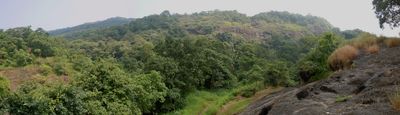
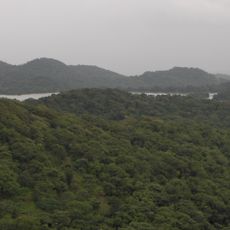
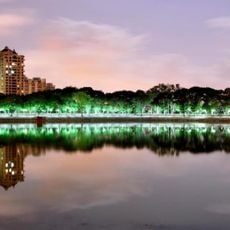
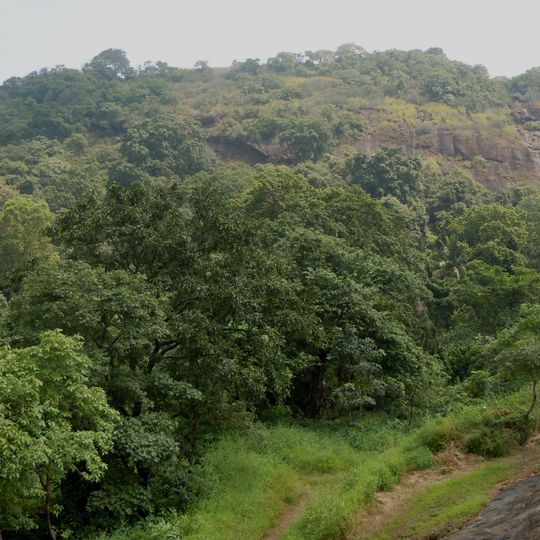
Sanjay Gandhi National Park is a protected forest reserve on the northern edge of Mumbai, with hills and dense tropical greenery. Trails run through different zones, while two lakes cross the reserve and provide drinking water to the city.
The forested tract lay on an ancient route between the ports of Sopara and Kalyan, and the Kanheri Caves served as a Buddhist centre of learning. In the pre-independence period the area was known as Krishnagiri National Park; it was expanded in 1969 with adjoining reserve forests, administered as Borivali National Park, and in 1981 re-dedicated as Sanjay Gandhi National Park. It was later enlarged with forests from the Thane division to 103.84 km2.
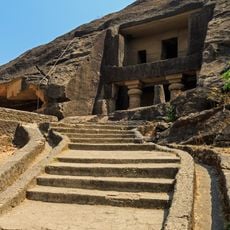
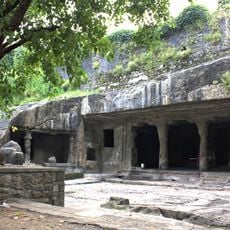
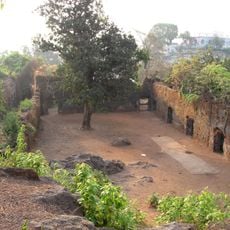
The Kanheri Caves, cut into a basalt outcrop at the centre of the park, hold 109 viharas and were a Buddhist centre of learning and pilgrimage. Monks carved them between the 9th and 1st centuries BCE, and the park's old name Krishnagiri, "black hill", comes from this rock.
The park opens at 7:30 am and closes at 6:30 pm. Entry is at the Borivali headquarters, where the Vanrani mini toy train and the lion safari are charged separately, and forest rest houses and huts can be booked for overnight stays. No boating is offered on Vihar Lake, whose catchment supplies Mumbai's water.
Leopards live here in unusually high numbers right next to residential neighborhoods, with the reserve holding the highest leopard density among all city parks worldwide. Encounters remain rare, as the animals hunt at night and stay hidden in the thickets during daylight.
The community of curious travelers
AroundUs brings together thousands of curated places, local tips, and hidden gems, enriched daily by 94,047 contributors worldwide.