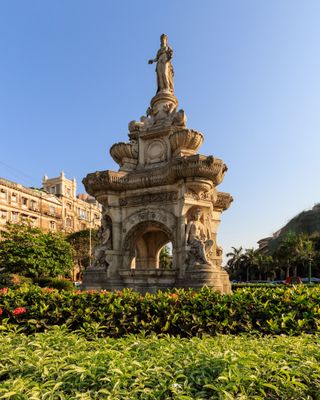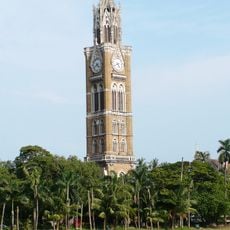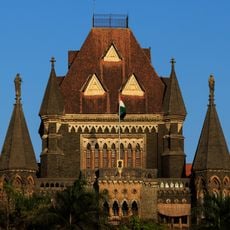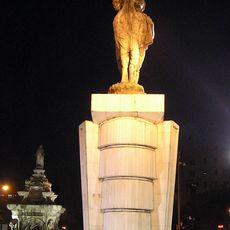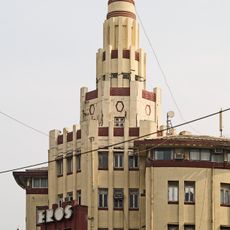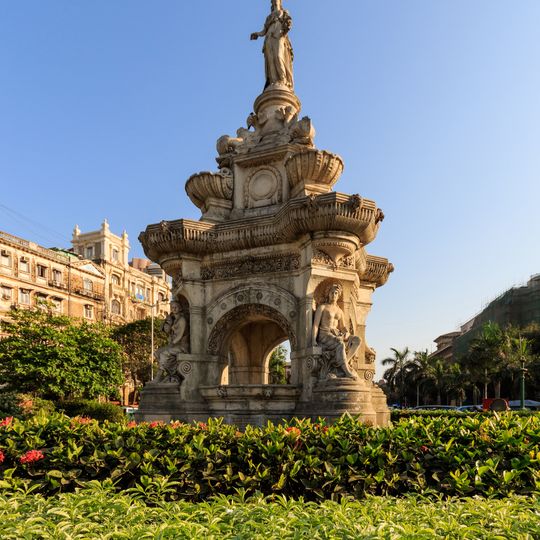
Flora Fountain, Gothic Revival fountain in Fort district, Mumbai, India.
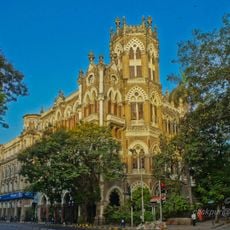
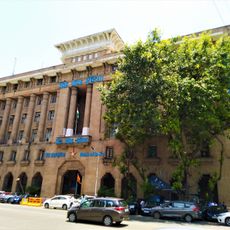
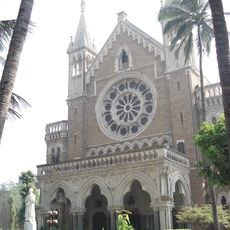
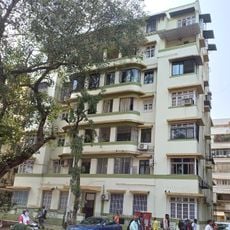
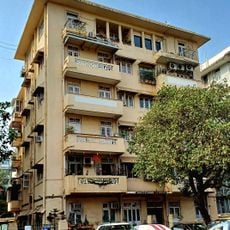
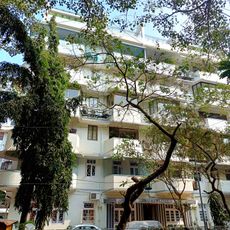
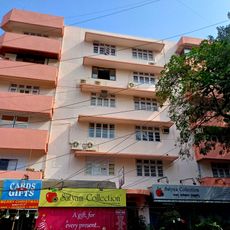
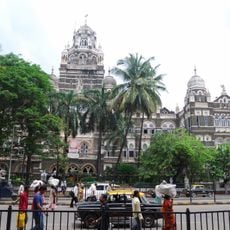
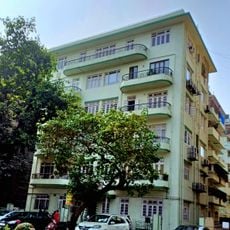
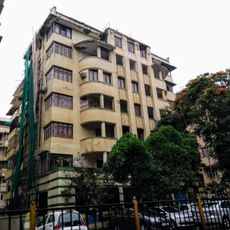
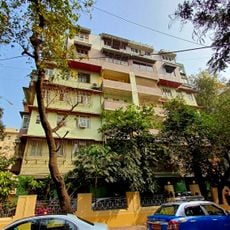
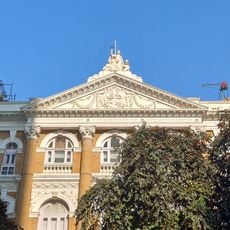
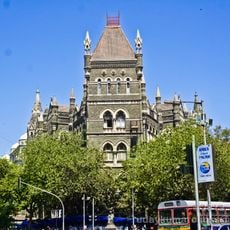
The Portland stone structure rises at the junction of five streets, displaying carved figures of the Roman goddess Flora alongside four representations of the seasons. A central column stands on a tiered base while water basins encircle the foundation. Surrounding nineteenth-century colonial buildings frame the public space, creating an architectural context in the Fort district that reflects earlier town planning decisions.
The structure was commissioned in 1864 following the demolition of the Old Bombay Fort as part of urban renewal initiatives under Governor Sir Bartle Frère. Architect R. Norman Shaw designed the Gothic Revival monument while stonemasons crafted the sculptures following classical models. During the twentieth century, the site transformed from a ceremonial plaza into a traffic junction with added political commemoration functions after independence.
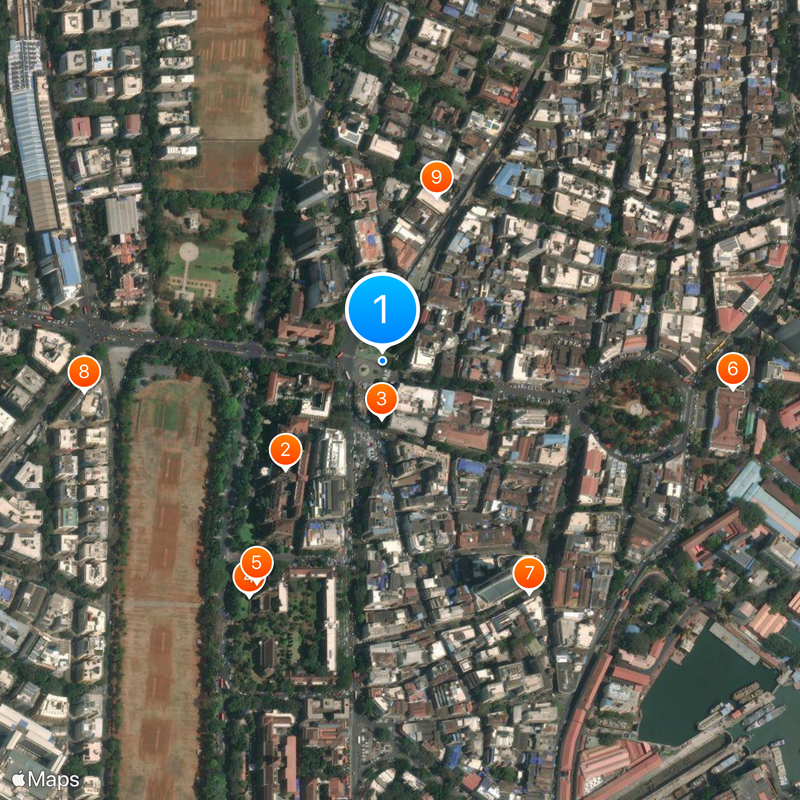
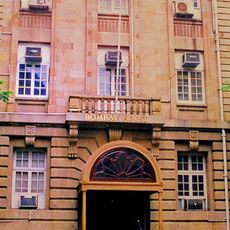
The plaza surrounding the structure was renamed Hutatma Chowk in 1960 to commemorate those who lost their lives during the creation of Maharashtra State. A memorial marks this sacrifice at what has become a central address in the financial district, where banks, insurance companies and trading houses maintain offices. Office workers gather around the area during lunch breaks as a meeting point.
Local trains to Churchgate station or taxis to Dadabhai Naoroji Road provide access to the site in the financial district of South Mumbai. Morning hours between 7 and 10 AM see heavy commuter traffic, while afternoons offer calmer viewing conditions. Cafes and restaurants line the surrounding streets, with restroom facilities available in nearby shopping complexes. Parking remains limited and public transportation offers more practical arrival options.
Cricket enthusiasts used the area around the structure as an informal playing field, incorporating the monument into street games during periods of lighter traffic. This practice continued into the late 1990s before increasing vehicle density made it unfeasible. Older residents recall afternoons when batsmen aimed to avoid hitting the stone sculptures, using them as boundary markers in their improvised matches between office buildings.
The community of curious travelers
AroundUs brings together thousands of curated places, local tips, and hidden gems, enriched daily by 90,755 contributors worldwide.