National Museum of Iran, National museum in Tehran, Iran
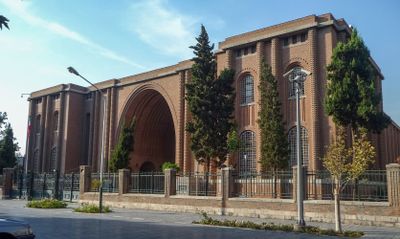
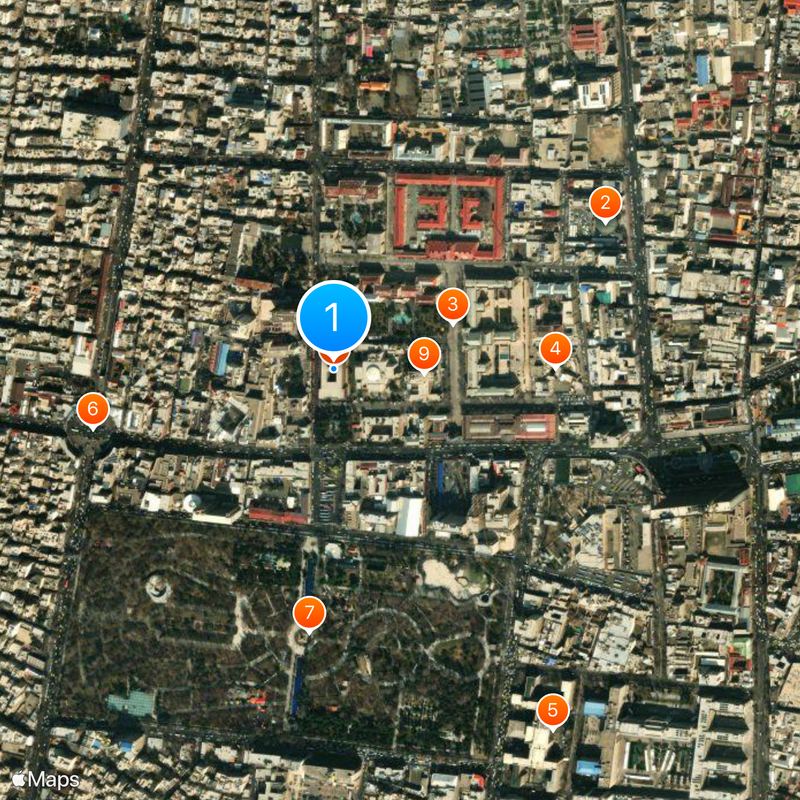
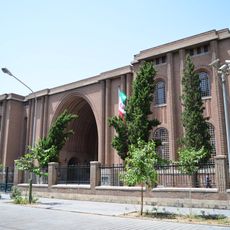
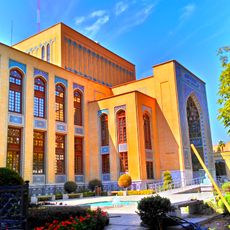
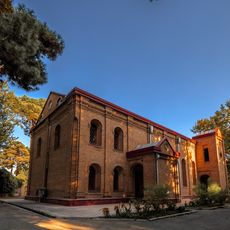
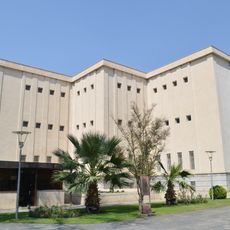
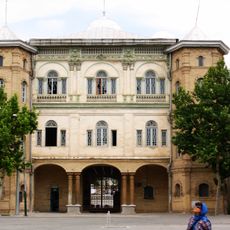
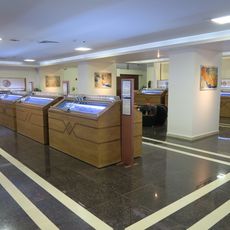
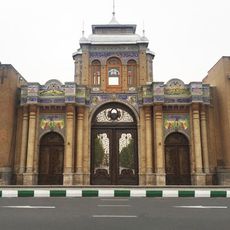
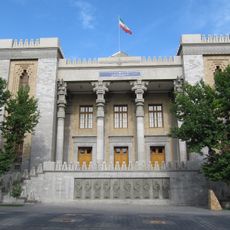
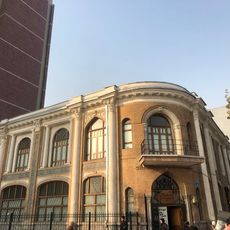
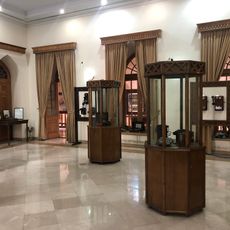
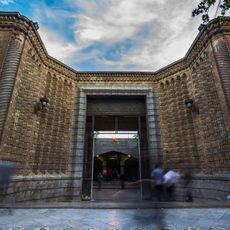
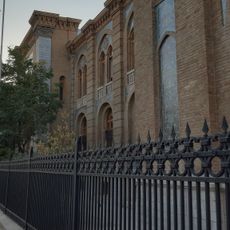
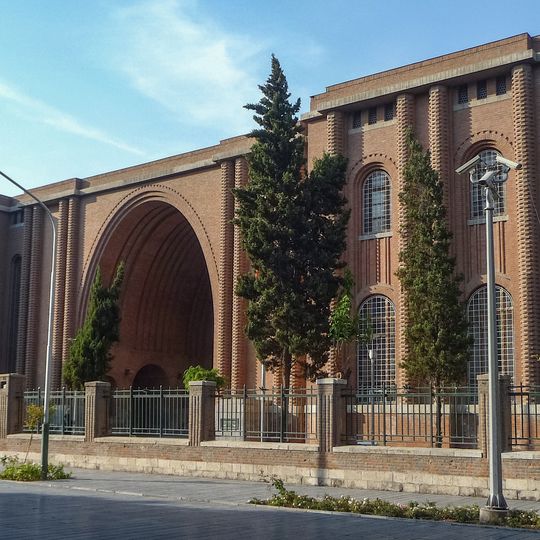
The National Museum of Iran presents archaeological finds and Islamic artworks in two separate buildings in central Tehran. Exhibition rooms span several floors and follow a timeline from prehistoric objects to works from recent history.
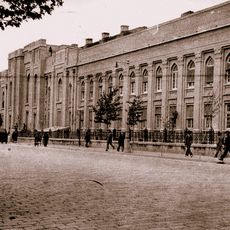
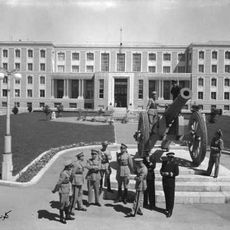
The museum opened its doors shortly before World War II and became the primary repository for finds from across Iran. The collection grew steadily through excavations and donations throughout the twentieth century.
The main hall displays Persian lion reliefs and inscriptions from Persepolis, while the Islamic art gallery features calligraphy and manuscripts. Visitors can trace the development of Iranian script over centuries.
Visitors planning to see the entire museum should set aside at least two hours, as both buildings contain many rooms. Photography is allowed in most areas, but without flash or tripod.
A display case on the second floor holds a stone drinking vessel carved into the shape of a human shoe, dating back to the third millennium before the common era. This odd find from the Elamite civilization shows the inventiveness of early craftspeople in the region.
The community of curious travelers
AroundUs brings together thousands of curated places, local tips, and hidden gems, enriched daily by 92,533 contributors worldwide.