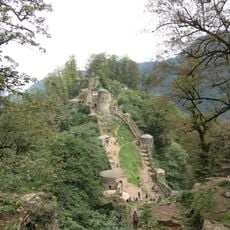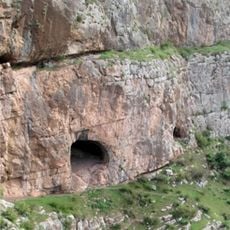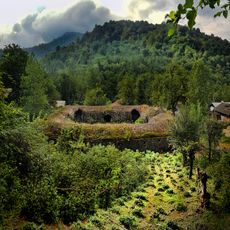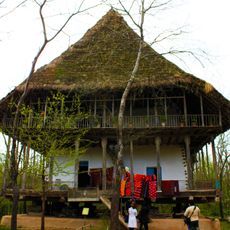
Ganj Par, Paleolithic archaeological site in Gilan Province, Iran.
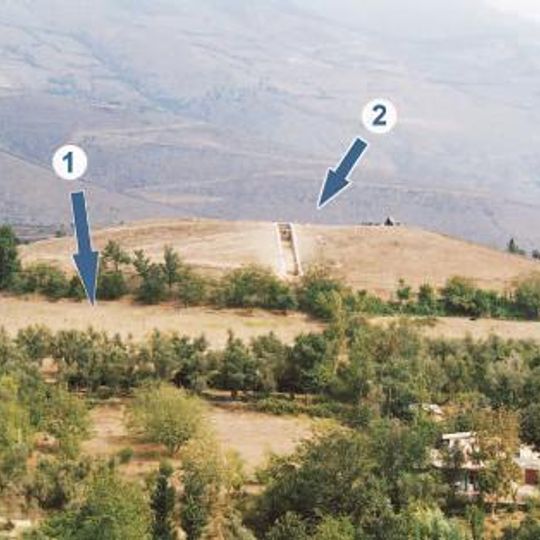
Ganj Par is a Paleolithic archaeological site situated on an ancient terrace of the Sefid Rud River in Gilan Province. The location yielded hand axes, chopping tools, and other stone implements fashioned from limestone, magmatic rock, and sandstone.
The site was discovered in 2002 during archaeological excavations led by the Center for Paleolithic Studies of the Iranian National Museum. The discovery marks a significant early phase of human occupation in the Southern Caspian region.
The stone artifacts found at Ganj Par demonstrate early human manufacturing techniques and connections with similar tools discovered in the Caucasus region.
About 150 recovered artifacts can be examined at the Iranian National Museum. The collection provides a clear view of tool types and how these early tools were shaped.
The site represents the earliest known evidence of human settlement in the Southern Caspian Basin. The tool-making techniques found here connect to similar methods used by early peoples across nearby regions.
The community of curious travelers
AroundUs brings together thousands of curated places, local tips, and hidden gems, enriched daily by 91,137 contributors worldwide.