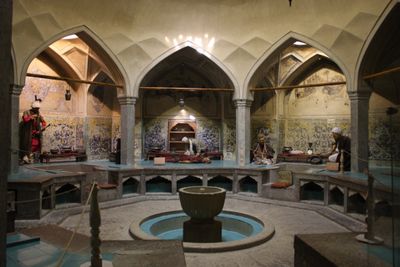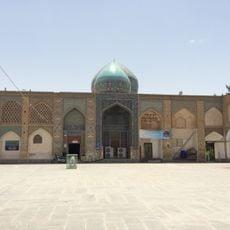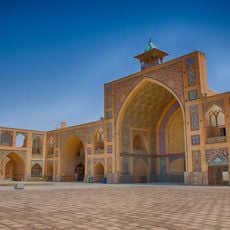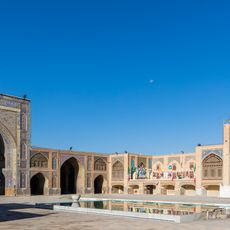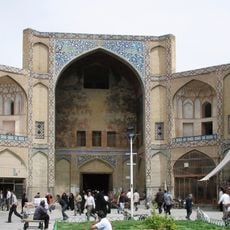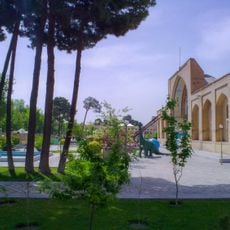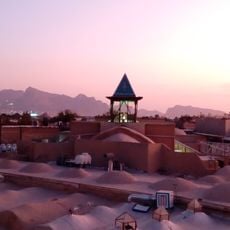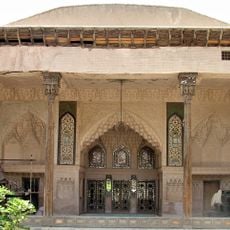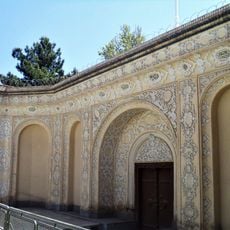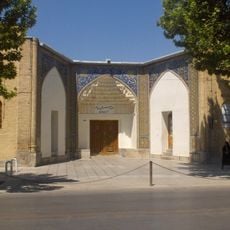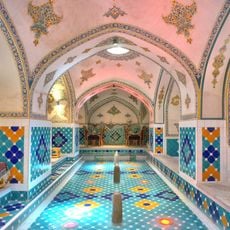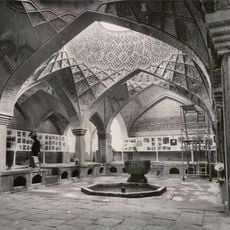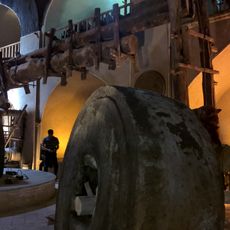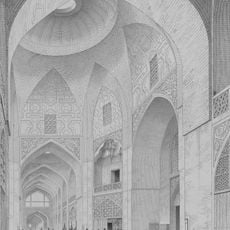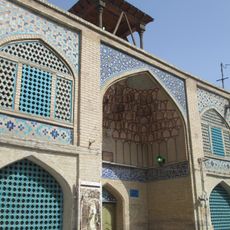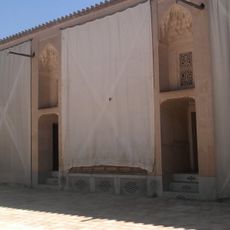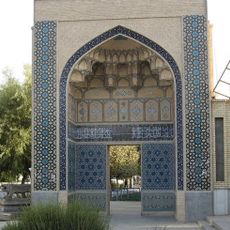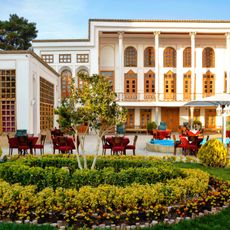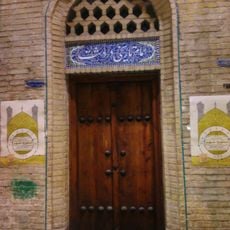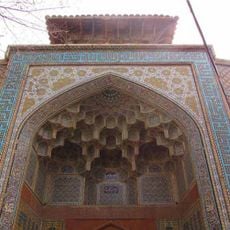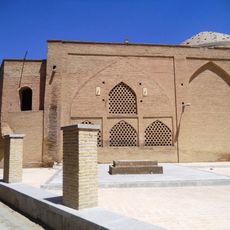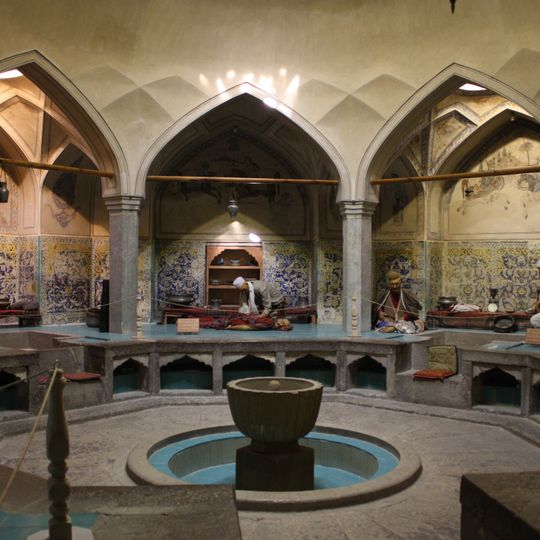
Ali Qoli Agha Hammam, Historical bathhouse museum in District 1, Isfahan, Iran.
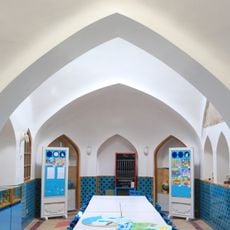
Ali Qoli Agha Hammam is a bathhouse built from stone, brick, plaster, and tile spanning about 33 meters long and 30 meters wide. The structure preserves the traditional layout of a Persian bath with interconnected chamber rooms and a network of heating systems underneath.
The bathhouse was constructed in 1713 during the Safavid era under the patronage of Ali Qoli Agha. Over time it served the local community until changing urban practices eventually led to its closure as an active bath.
The bathhouse reflects traditional Persian bathing practices with distinct zones for men and women, showing how community life once centered around these spaces. You can observe how the layout shaped social routines and daily rituals for residents.
The museum allows visitors to explore the different rooms and displayed objects at their own pace without requiring special physical abilities. The manageable size makes it easy to see all areas during a single visit.
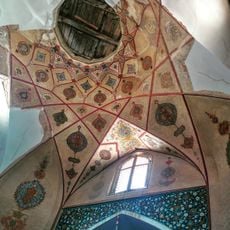
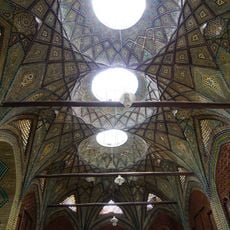
The bathhouse features intricate tile and plaster work displaying the refined craftsmanship of the Safavid period. These decorative elements were created by skilled artisans who showed their knowledge through every carved and painted detail.
The community of curious travelers
AroundUs brings together thousands of curated places, local tips, and hidden gems, enriched daily by 92,253 contributors worldwide.