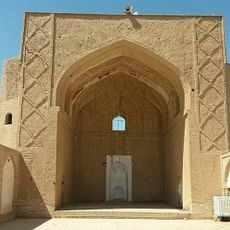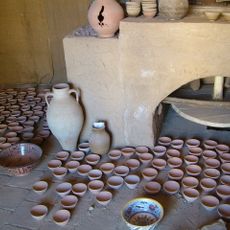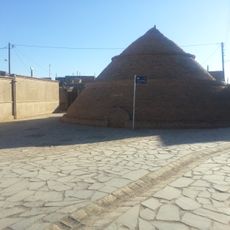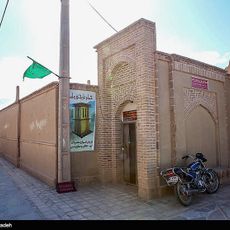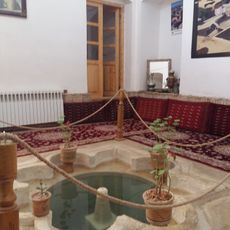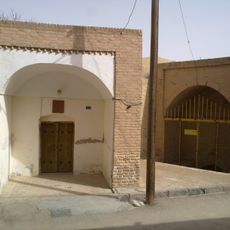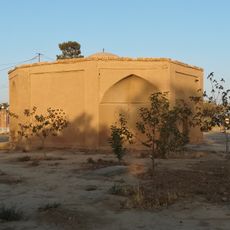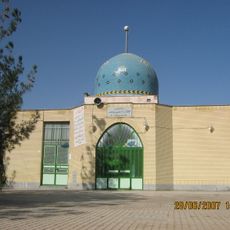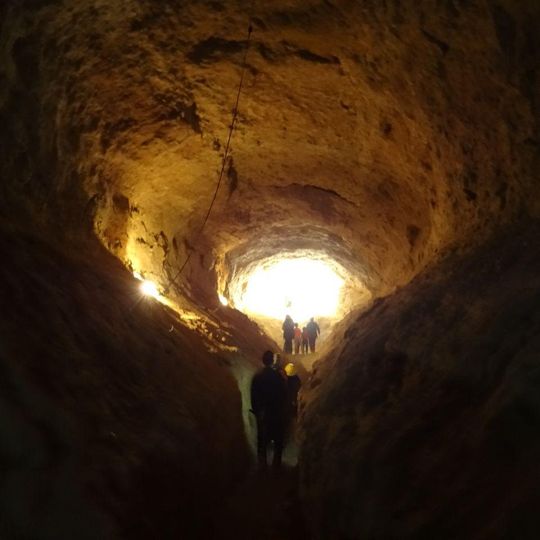
Persian Qanat, Ancient water management system in Isfahan Province, Iran.
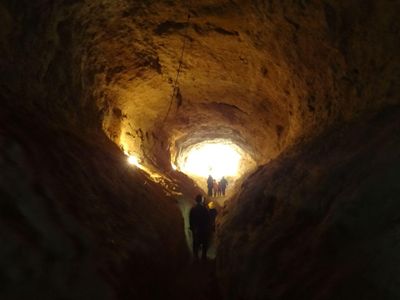
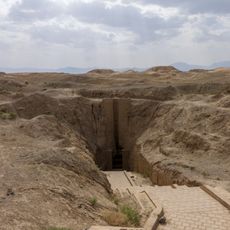
The Persian Qanat is a group of underground tunnel systems found across Isfahan Province, Kerman Province, and Razavi Khorasan Province in Iran, listed as a World Heritage Site. Each system consists of a gently sloping horizontal tunnel connected to a series of vertical shafts that bring water from a higher source to fields and settlements at lower ground.
Persian engineers developed the qanat technique over 2,000 years ago, and from Iran it gradually spread to the Middle East, North Africa, and parts of Central Asia. Many of the systems still in use today were first built during the Achaemenid or Sasanian periods and kept working by communities over many centuries.
The word qanat comes from a Semitic root meaning channel or reed, and many villages in Iran still carry names that refer to these water tunnels. Walking through a village built around a qanat, you can often spot the line of small earth mounds marking the shafts that run underground beneath the fields.
Most qanat systems run beneath farmland, desert, or towns and cannot be seen from street level except for the line of shaft openings on the surface. Guided visits are available at a small number of accessible sites, and going with a local guide makes it much easier to understand what you are looking at.
Some of the oldest qanat systems in Iran are still actively supplying water to fields and homes using the exact same method as thousands of years ago. The workers who build and maintain them, called muqannis, work inside tunnels so narrow that they can only move by crouching or lying down.
The community of curious travelers
AroundUs brings together thousands of curated places, local tips, and hidden gems, enriched daily by 60,000 contributors worldwide.