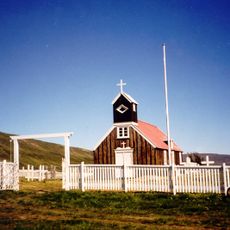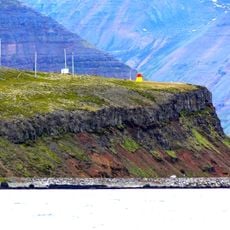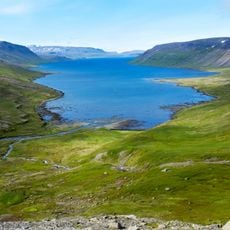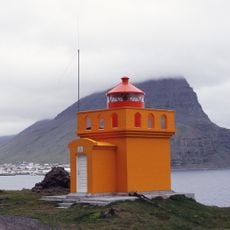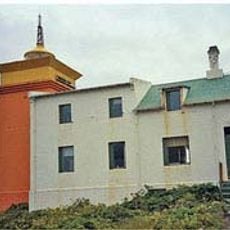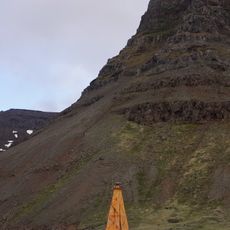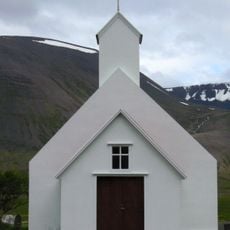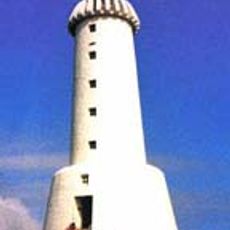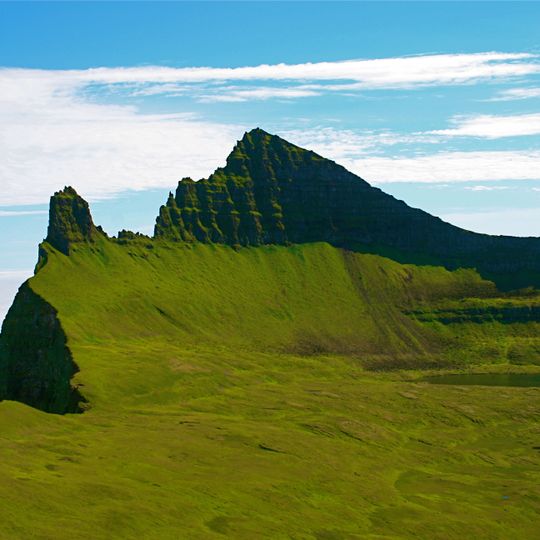
Hornstrandir, Nature reserve in northern Westfjords, Iceland
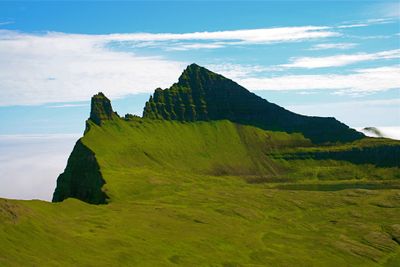
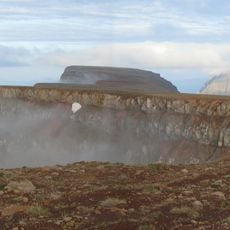
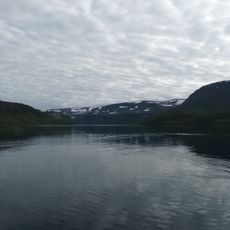
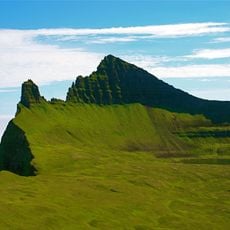
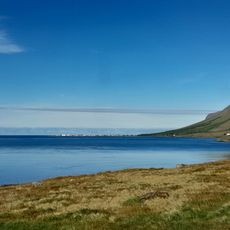
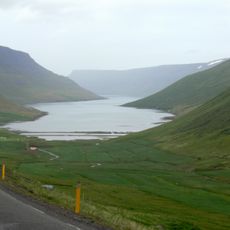
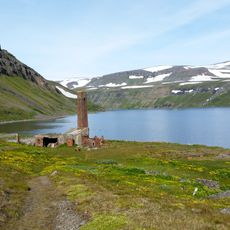
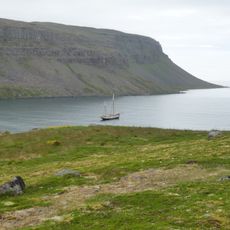
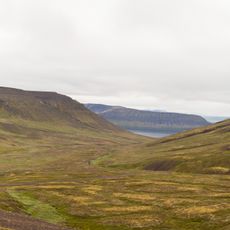
The 600-square-kilometer reserve includes steep cliffs, mountain peaks reaching 740 meters, untouched fjords, and extensive coastal areas bordering the Greenland Sea.
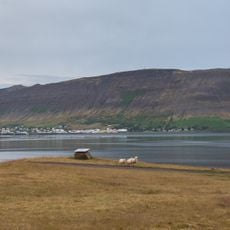
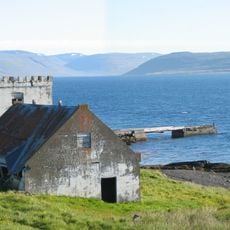
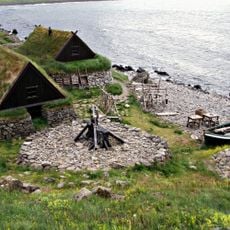
The area remained inhabited until the 1950s, when residents left their traditional farming and fishing settlements due to harsh living conditions.
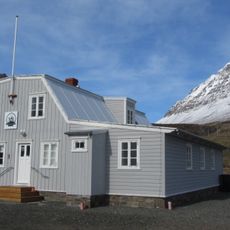
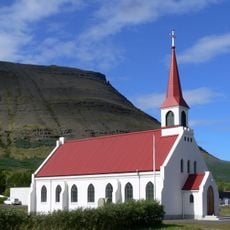
Former settlements like Hesteyri, Látrar, and Aðalvík contain preserved houses that families now use as seasonal residences during summer months.
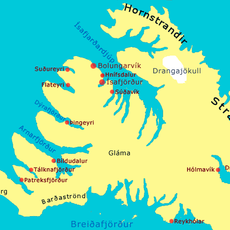
Access requires registration at the Hornstrandir Information Center in Isafjordur, with boat services operating from June through August departing from Isafjordur harbor.
The territory serves as a sanctuary for Arctic foxes, the only native land mammal in Iceland, protected from hunting within reserve boundaries.
Location: Ísafjarðarbær
Inception: 1985
Elevation above the sea: 740 m
GPS coordinates: 66.41783,-22.44783
Latest update: May 19, 2025 07:46
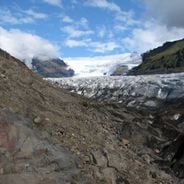
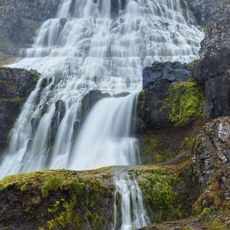
Iceland is an island shaped by ice and fire. Glaciers cover much of the interior while geothermal areas show that something is always happening beneath the surface. The landscapes here look different from most places: black sand beaches formed by volcanic activity, fjords cutting deep into the coast, waterfalls dropping over cliffs and canyons with moss covered walls. Vatnajökull in the southeast is Europe's largest glacier, while smaller ice caps like Snæfellsjökull or Drangajökull have their own character. Reykjavik sits by the ocean and mixes city life with access to nature. The Harpa concert hall stands by the harbor, Hallgrímskirkja church rises above the rooftops, and along the shore you find the Sólfar sculpture. Lake Tjörnin lies in the center of town. Outside the city, routes lead to natural sites: the Blue Lagoon with its milky blue water, Strokkur geyser that erupts every few minutes, Gullfoss waterfall where a river plunges into a canyon. The southern coast shows different faces. Near Vík there is Reynisfjara beach with its basalt columns and black sand, and not far away the cliff at Dyrhólaey. Diamond Beach near Hornafjörður is scattered with ice chunks washed up by the sea. In the north, Lake Mývatn attracts visitors with its volcanic surroundings, while the Westfjords with the Hornstrandir reserve and the red sand of Rauðasandur beach belong to the more remote parts of the country. The Ring Road connects most of these places and circles the entire island.
Dynjandi
83.5 km
Drangajökull
31.1 km
Bolafjall
47.7 km
Dýrafjörður
77.7 km
Jökulfirðir
22.9 km
Hornbjarg
3.9 km
The Arctic Fox Center
49.5 km
Önundarfjörður
65.4 km
Súgandafjörður
56.2 km
Steingrímsfjarðarheiði
75.2 km
Hesteyrarfjörður
20.9 km
Arngerðareyri
59.2 km
Ósvör
45.5 km
Þaralátursfjörður
22 km
Veiðileysufjörður
15 km
Hrafnseyrarheiði
78.9 km
Þingeyrarkirkja, Vestfirðir
76.2 km
Borgarfjörður
79.6 km
Straumnes Air Station
28.7 km
Staðar Church
77.4 km
Arnarnesviti
44.3 km
Hrafnsfjörður
18 km
Óshólaviti
45.1 km
Phare de Hornbjarg
3.2 km
Straumnes Northwest Lighthouse
30.6 km
Glámujökull
74 km
Holtskirkja
63.7 km
Selsker Lighthouse
55.1 kmReviews
Visited this place? Tap the stars to rate it and share your experience / photos with the community! Try now! You can cancel it anytime.
Discover hidden gems everywhere you go!
From secret cafés to breathtaking viewpoints, skip the crowded tourist spots and find places that match your style. Our app makes it easy with voice search, smart filtering, route optimization, and insider tips from travelers worldwide. Download now for the complete mobile experience.
A unique approach to discovering new places❞
— Le Figaro
All the places worth exploring❞
— France Info
A tailor-made excursion in just a few clicks❞
— 20 Minutes