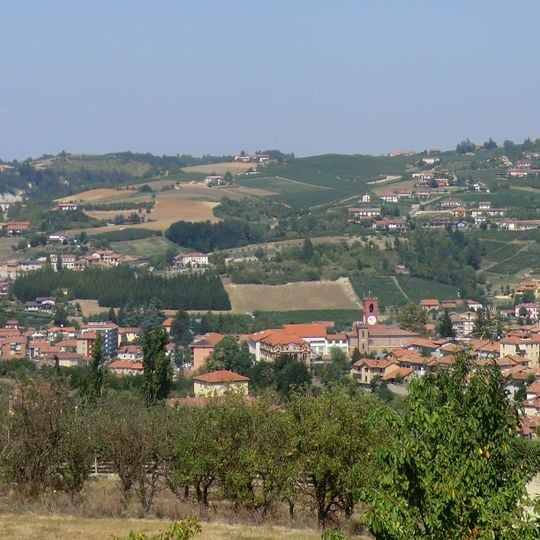
Dogliani, Italian comune
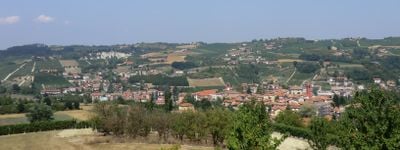
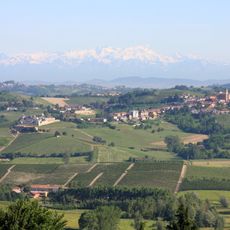
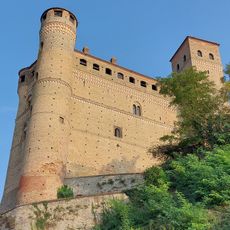
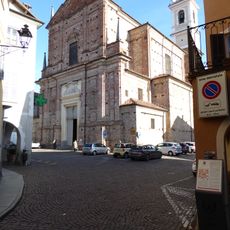
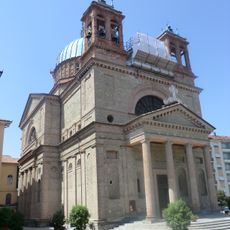
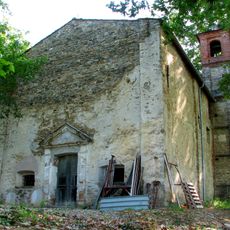
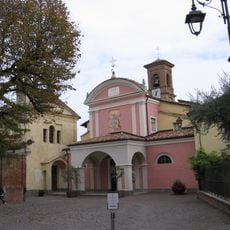
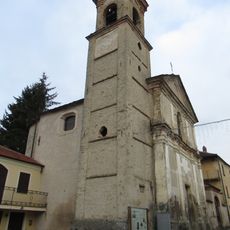
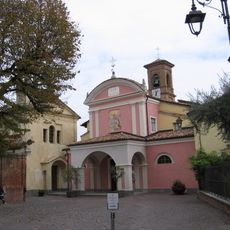
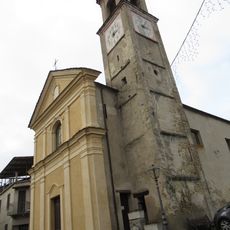
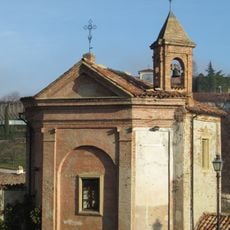
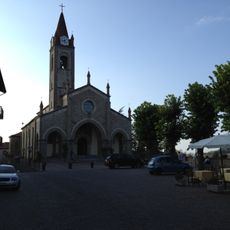
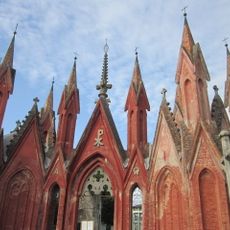
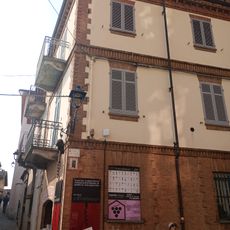
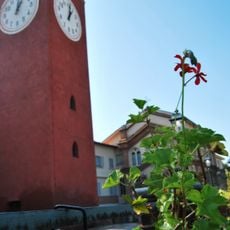
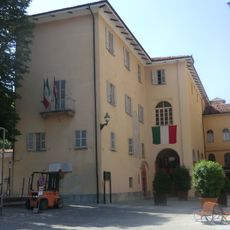
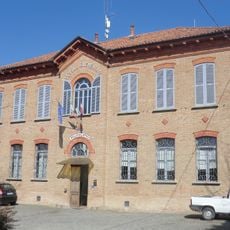
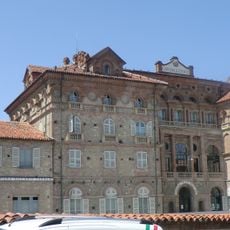
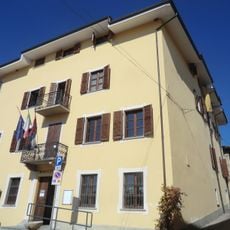
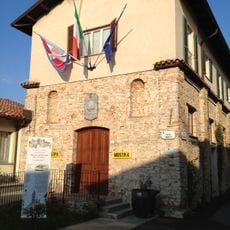
Dogliani is a town in the Province of Cuneo located on the rolling hills of the Langhe region, split into two main areas: the Borgo in the valley near the Rea River and the Castello on a higher hill with medieval characteristics. It has narrow, winding streets with old stone buildings, visible ancient walls, and gates that define its historic core.
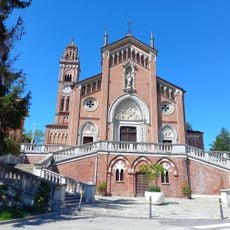
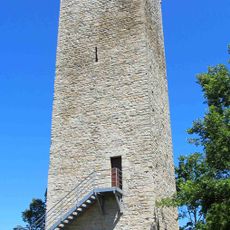
Dogliani has roots that go back before Roman times, with its name referencing Roman clay wine vessels and showing the ancient connection to winemaking in this area. During the Middle Ages the town was fortified with walls and towers for defense, and later architect Giovanni Battista Schellino redesigned much of it in the late 1800s.
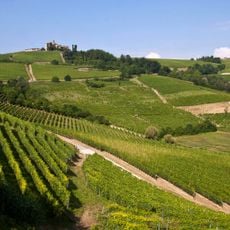
The name Dogliani comes from a Roman clay vessel used for wine, showing how long winemaking has been central to this place. The town keeps this tradition alive through local markets, festivals, and family vineyards where people still work the land the way their ancestors did.
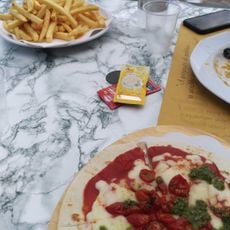
The town sits about 300 meters (984 feet) above sea level with a maze of narrow streets, so comfortable walking shoes are best for exploring, especially when climbing toward the Castello area. A weekly market runs on Tuesdays with fresh local products, and restaurants throughout town serve traditional dishes like Cisrà soup.
Luigi Einaudi, one of Italy's Presidents, was born here and greatly admired the Dolcetto wine from this area, bringing the town attention through political circles. A museum dedicated to his life shows how a national leader remained connected to this small place throughout his career.
The community of curious travelers
AroundUs brings together thousands of curated places, local tips, and hidden gems, enriched daily by 60,000 contributors worldwide.