Foggia, Provincial capital in Apulia, Italy
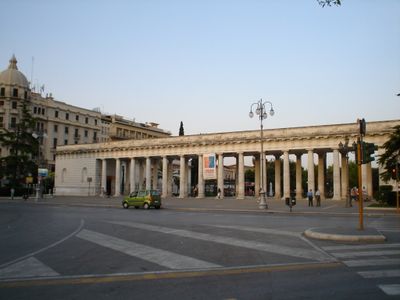
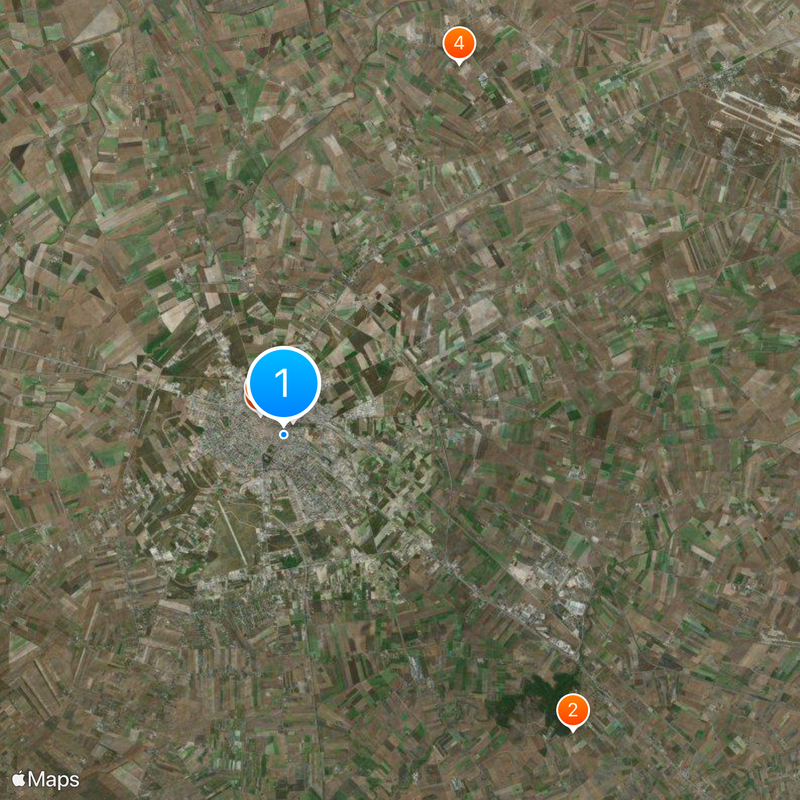
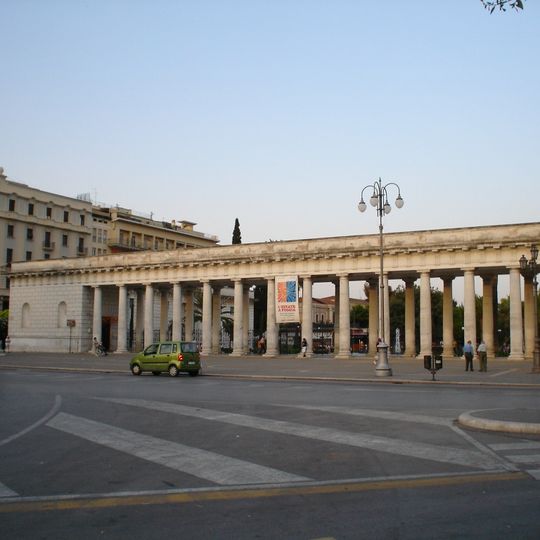
Foggia is a provincial capital in Apulia, Italy, spreading across the flat Tavoliere plain and including wide avenues, public gardens, and a central square anchored by the cathedral. The city serves as a transport hub between the Adriatic and Tyrrhenian coasts, with several main roads running through its historic centre.
In medieval times the city administered royal sheep flocks and collected wool taxes, turning it into an important trading centre. Heavy bombing in 1943 destroyed much of the historic fabric, which was rebuilt in the postwar years.
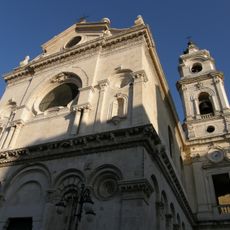
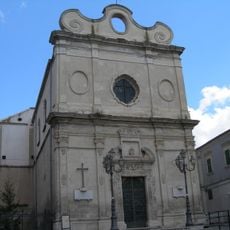
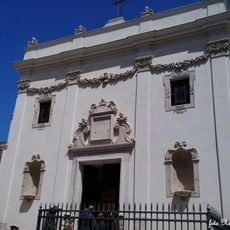
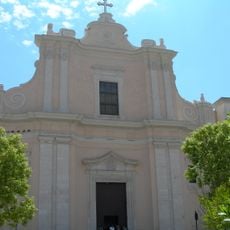
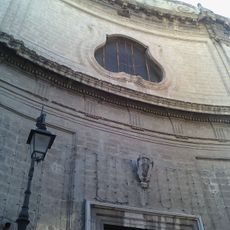
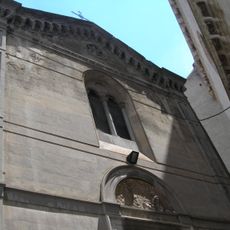
The cathedral at the centre shows an entrance from the 12th century, the last fragment of the Romanesque structure rebuilt after the 1731 earthquake largely reshaped it. On market days vendors gather in squares around Via Arpi, offering olives, vegetables and cheese from the broad plain.
The railway station sits close to the centre and links several major routes heading to Naples, Rome, Bari and Bologna. Buses leave from the station forecourt to smaller towns across the province, taking between 30 and 90 minutes depending on destination.
The name comes from underground pits that farmers used for centuries to store grain and collect water, shaping the agricultural system of the region. These pits have mostly disappeared today, though traces can still be found beneath older buildings in the historic core.
The community of curious travelers
AroundUs brings together thousands of curated places, local tips, and hidden gems, enriched daily by 91,673 contributors worldwide.