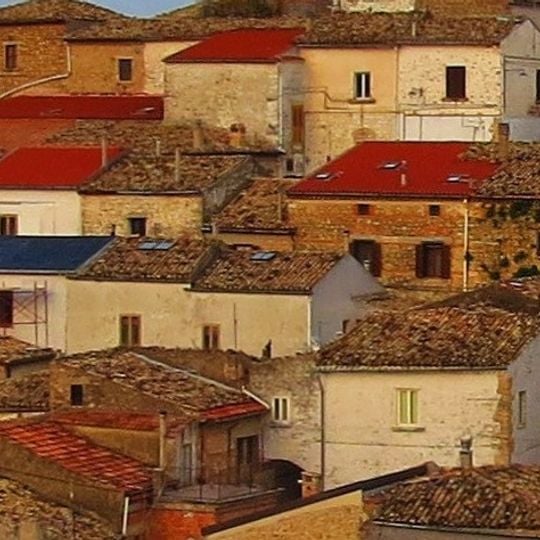
Bovino, Italian comune
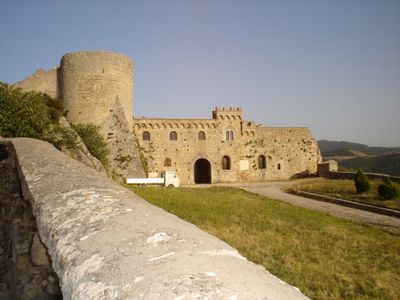
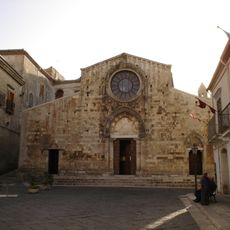
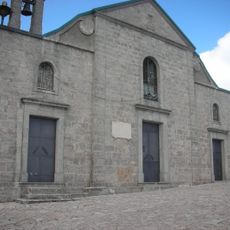
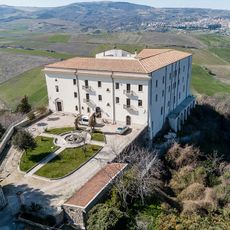
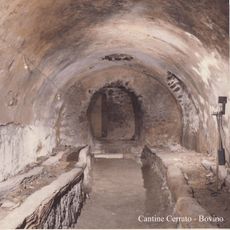
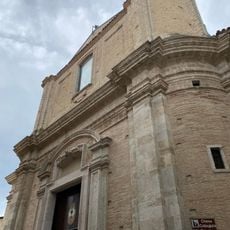
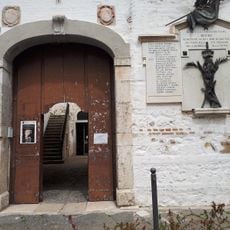
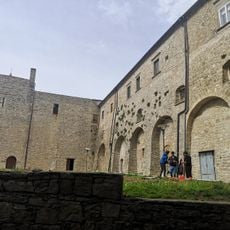
Bovino is a small commune in the Province of Foggia situated on a hilltop in the Apulia region. The town consists of tightly packed stone houses with narrow streets and steps winding up and down the slopes, while several churches and an old castle define its historic structure.
The town was founded by the Dauni, an ancient people of the region, and later rebuilt by the Romans as the colony of Vibinum. In 876 AD, walls were constructed that still surround the town today, marking its medieval restructuring.
The name Bovino comes from the Roman name Vibinum, reflecting the town's deep roots in ancient times. Today, you can see how the community lives its traditions in the narrow streets and squares, where people gather to talk and share meals with neighbors and friends.
The town is easiest to reach by car or bus from Foggia, with the nearest train station about 10 kilometers away. The streets in the center are narrow and pedestrian-friendly, so wear sturdy shoes and plan time to explore at a leisurely pace.
A forgotten tragedy shapes the town's history: in 1656, most residents died from plague, with only about 1,200 survivors after the devastating outbreak. This dark past has marked the village's demographics for centuries and remains visible today in the quiet, slow-paced way residents live their lives.
The community of curious travelers
AroundUs brings together thousands of curated places, local tips, and hidden gems, enriched daily by 91,429 contributors worldwide.