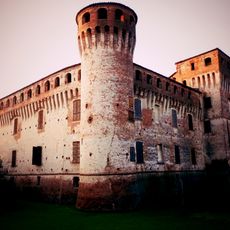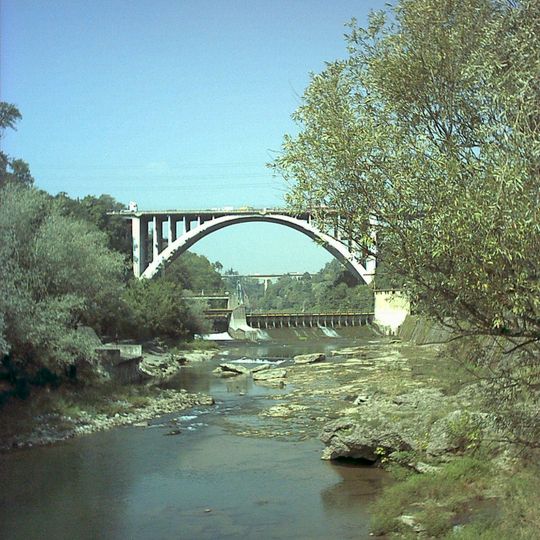
Adda, Alpine river in Lombardy, Italy
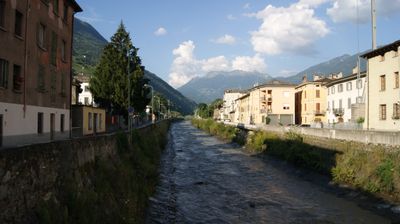
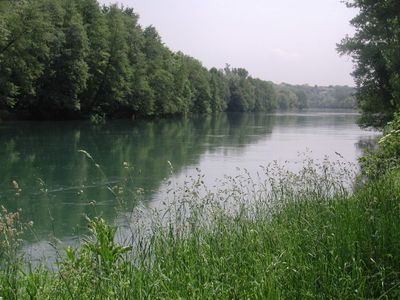
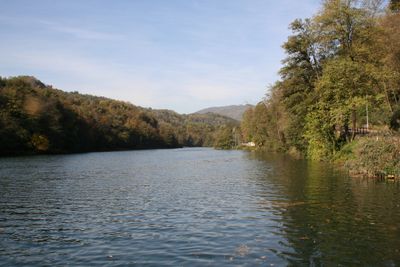
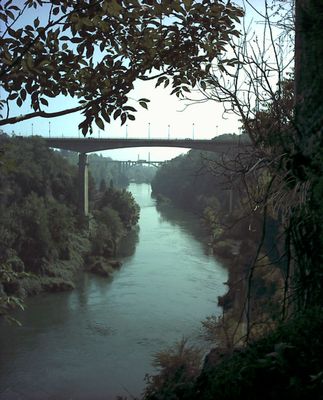
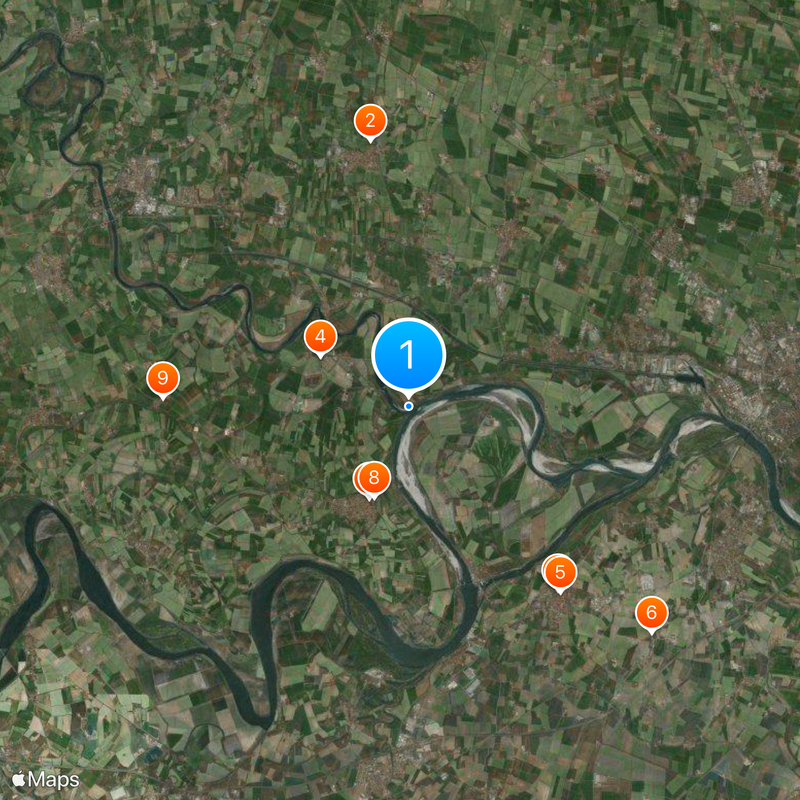
The Adda is a river in Lombardy, Italy, rising in the Rhaetian Alps and flowing through Lake Como before reaching the Po plain. Its course winds through narrow valleys in the north and opens to flat banks in the south, where meadows and small towns line the waterside.
During the Middle Ages the lower stretch marked the border between the Republic of Venice and the Duchy of Milan, a line fixed after the peace of Lodi in the fifteenth century. Later canals and locks were built along its banks to aid trade and irrigation.
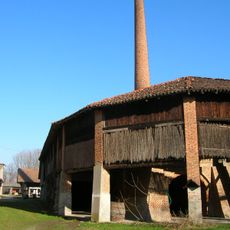
Local people know the river as a living boundary between different dialects and customs across the Po plain. Along its banks old mills and workshops stand, once powered by water and now often empty or repurposed.
Cycle paths and footpaths run along the river, connecting different towns and generally flat and well marked. Spring and autumn are comfortable seasons for walking the banks, with mild temperatures and fewer insects about.
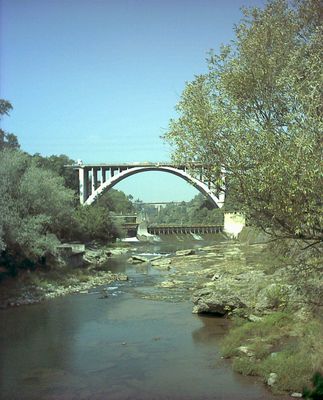
An old stone bridge near Trezzo spanned the river in the fourteenth century with an arch of 72 meters and was long considered a technical achievement. That span remained a model for builders until iron and steel opened new possibilities in the nineteenth century.
The community of curious travelers
AroundUs brings together thousands of curated places, local tips, and hidden gems, enriched daily by 92,510 contributors worldwide.