Pisciotta, Italian commune in Campania
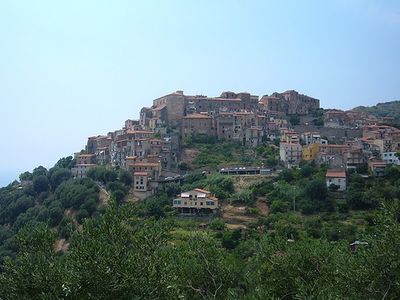
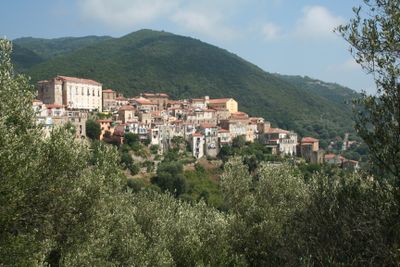
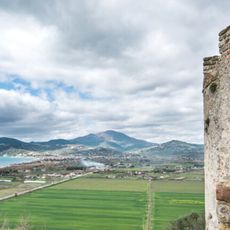
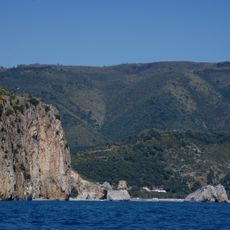
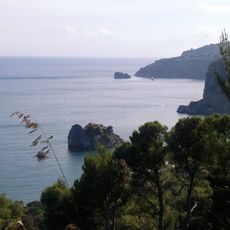
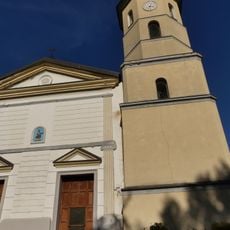
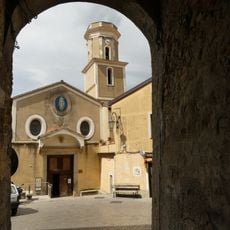
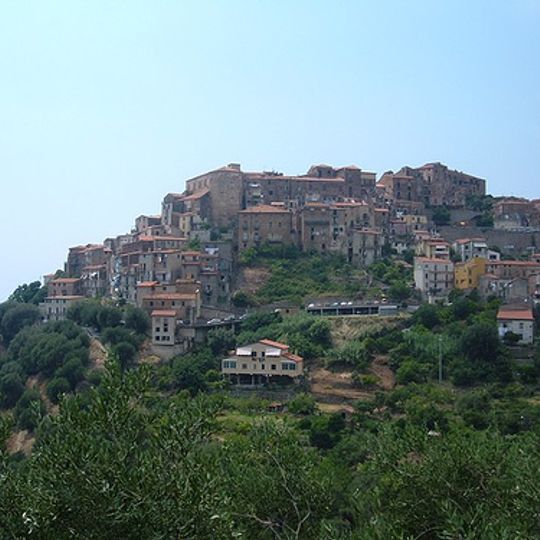
Pisciotta is a commune in the province of Salerno, southern Italy, set on a hillside in the Cilento area. Its old center is made up of narrow stone-paved lanes, stone houses, small squares such as Piazzetta del Cannone, and notable buildings including the Palazzo Marchesale Pappacoda and two churches.
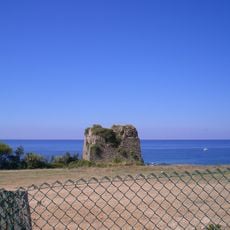
Pisciotta was founded in medieval times and passed through the hands of the Templars before coming under various later rulers. Over the centuries the town suffered pirate raids but recovered through olive oil trade and maritime commerce.
Pisciotta is known as the sixth Cat Village in Italy, meaning cats roam freely through the lanes and are part of everyday life there. The town is also tied to the menaica fishing tradition, an old method for catching anchovies using ancient nets, celebrated each June with a local festival.
Pisciotta can be reached by train at the Pisciotta-Palinuro station, roughly 2 hours from Naples, or by car via the A3 highway following signs for the Cilento area. Sturdy footwear is advisable when walking through the old center, as the lanes are steep and stone-paved.
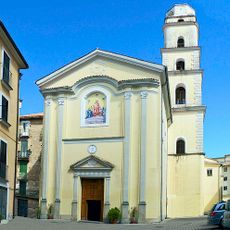
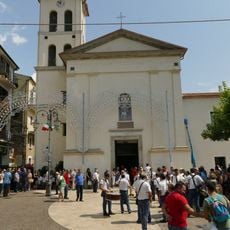
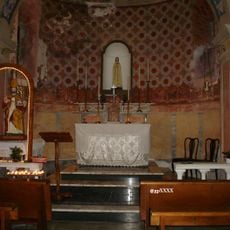
The Parrocchiale dei Santi Apostoli Pietro e Paolo is said to hold a painting attributed to the Neapolitan painter Francesco Solimena, though the attribution has not been confirmed. The small Cappella di San Michele, built at the end of the 17th century, still stands inside the old town today.
The community of curious travelers
AroundUs brings together thousands of curated places, local tips, and hidden gems, enriched daily by 91,808 contributors worldwide.