Republic of Genoa, Maritime republic in Liguria, Italy
The Republic of Genoa was a trading state in Liguria that controlled territories around the Mediterranean from the 11th century until the late 18th century. Its sphere of influence included coastal regions, islands, and commercial outposts that formed a network of harbor and trading posts.
The state emerged in the 11th century and grew into a major power through seafaring and trade, with connections to Byzantium and strong influence in the Black Sea. In 1797 its independence ended when the republic was taken by Napoleonic forces.
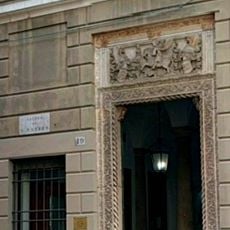
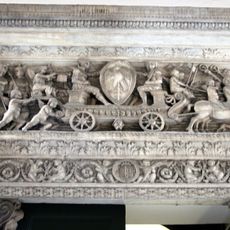
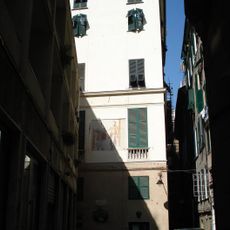
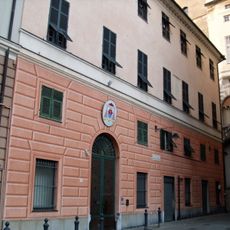
The city's symbols and street names in Genoa reflect the maritime legacy and trading traditions that shaped everyday life. The harbor layout and narrow alleys still show how deeply the population's existence was tied to the sea and commercial activities.
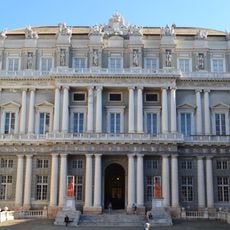
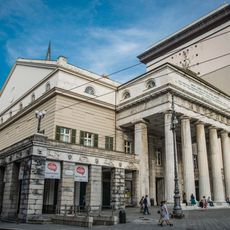
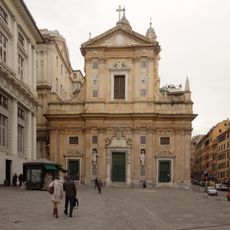
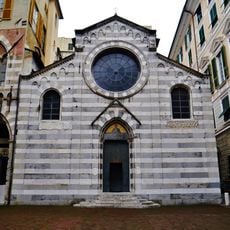
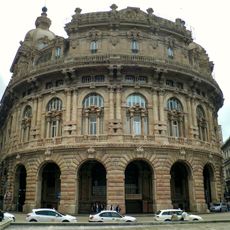
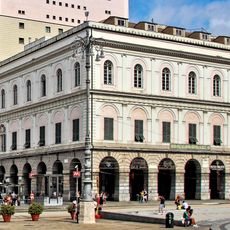
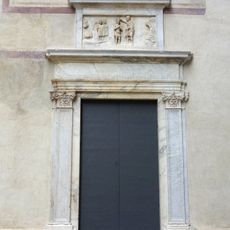
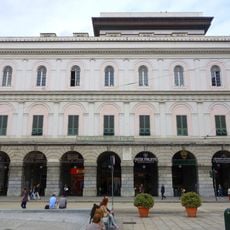
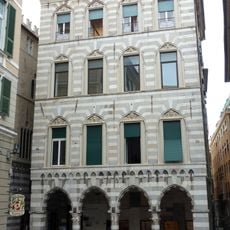
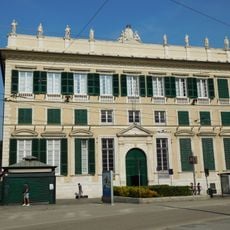
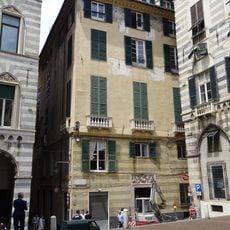
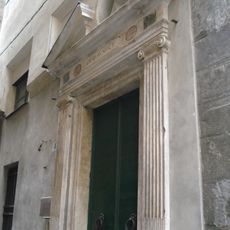
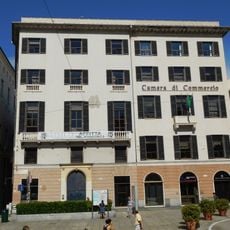
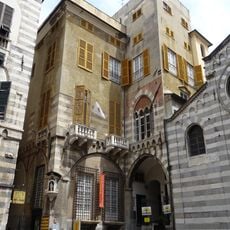
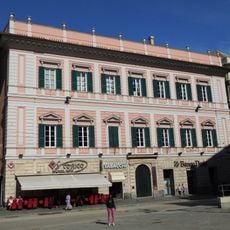
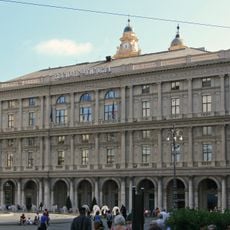
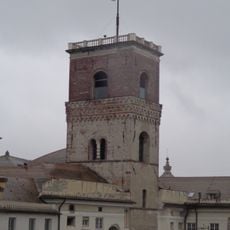
Visitors can explore the historic harbor facilities and medieval structures in Genoa today, which testify to the trading past. The old town is easily accessible on foot and offers a direct impression of the street layout and architecture from this period.
After 1528, leaders of the republic were not appointed for life but rotated in two-year cycles, representing an early form of shared power. This system was revolutionary for its time and differed fundamentally from other European forms of rule.
The community of curious travelers
AroundUs brings together thousands of curated places, local tips, and hidden gems, enriched daily by 92,311 contributors worldwide.