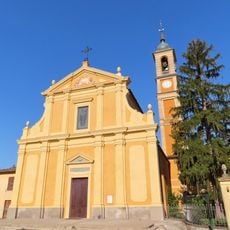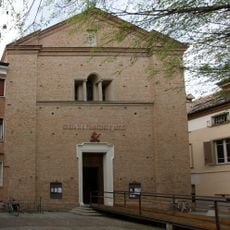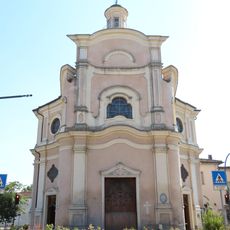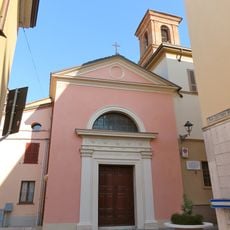
Cortemaggiore, Italian comune
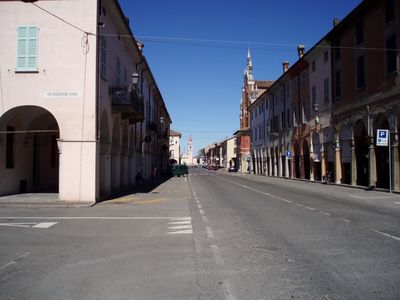
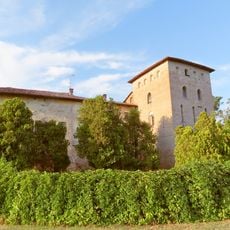
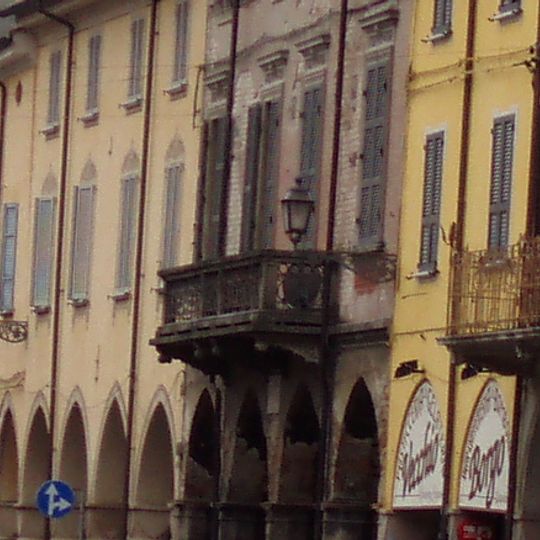
Cortemaggiore is a small town in the province of Piacenza in the Emilia-Romagna region, about 20 kilometers from Piacenza. It was built during the Renaissance following a geometric plan with streets arranged in a grid pattern, like an ideal city of that era.
The town was founded in 1290 by the Pallavicini family, who designed it as a model city following new architectural ideas. After Sforza Pallavicini died in 1586, the Duke of Parma took control and it developed into a farming center with a small Jewish community.
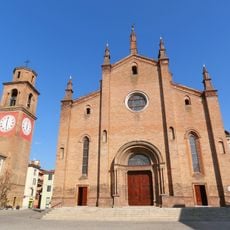
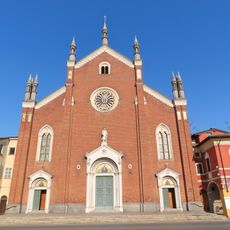
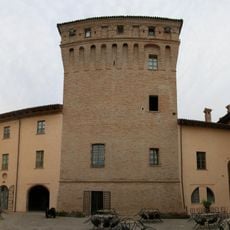
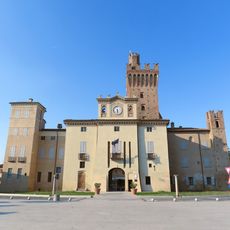
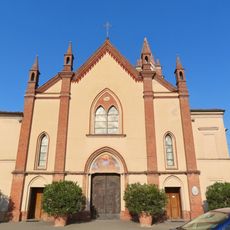
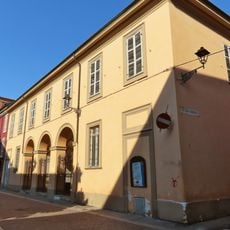
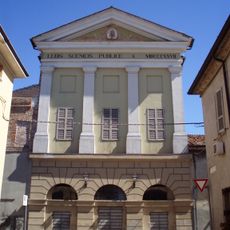
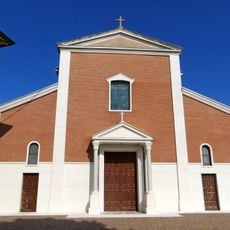
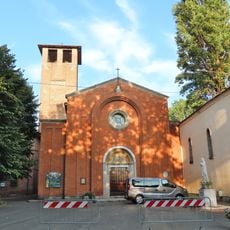
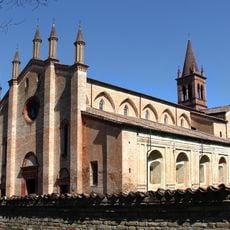
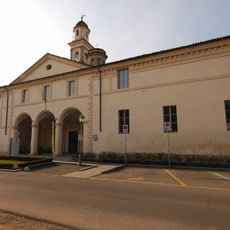
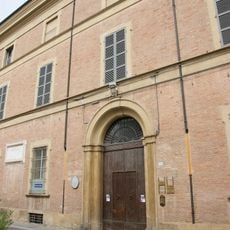
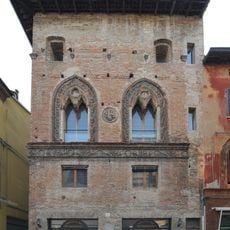
The name Cortemaggiore means "great court" and refers to the original settlement built by the Pallavicini family. Today locals and visitors recognize it as a "city of art" because of the Renaissance buildings and monuments that shape how people experience walking through its streets.
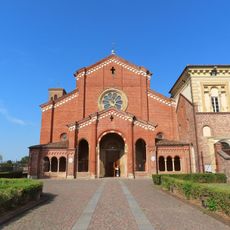
The town is easily accessible by road, especially from the Fiorenzuola d'Arda exit, and sits in a flat area of the Val d'Arda valley. The regular street grid makes it straightforward to walk to all the main sites like the basilica and historic palaces.
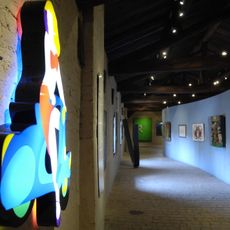
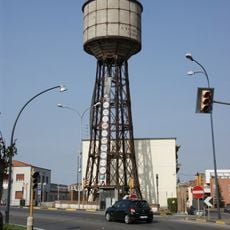
The town became the site of an unexpected discovery in 1949 when oil was found in the surrounding fields. This unusual event for a small Italian town led to the production of gasoline called "Supercortemaggiore" sold in Italy until the 1960s, and a museum today tells this surprising chapter of its past.
The community of curious travelers
AroundUs brings together thousands of curated places, local tips, and hidden gems, enriched daily by 90,754 contributors worldwide.