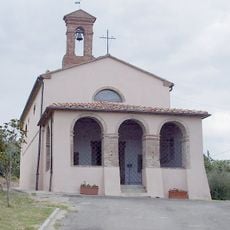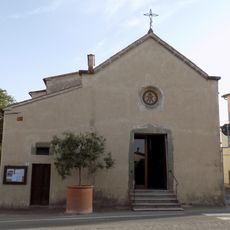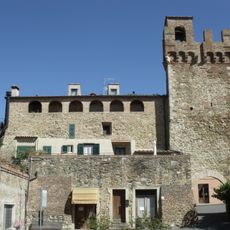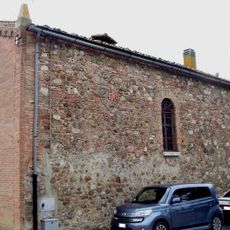
Scansano, Italian comune
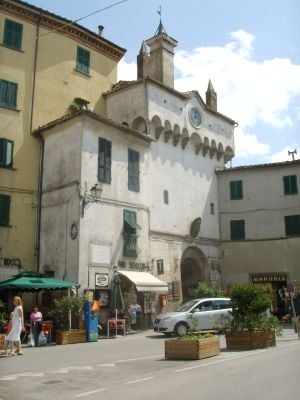
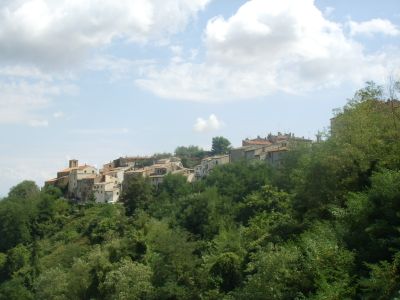
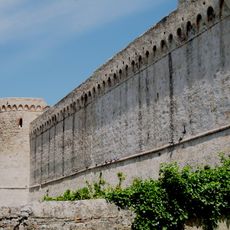
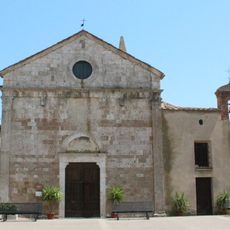
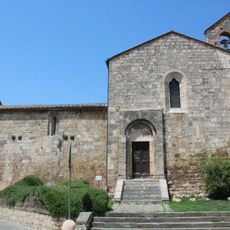
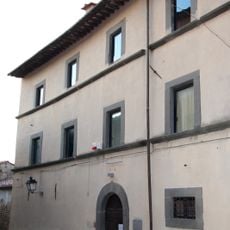
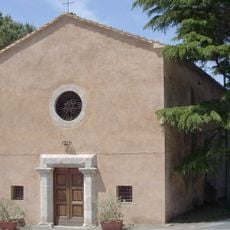
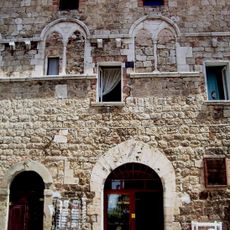
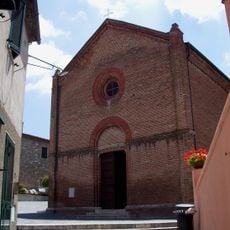
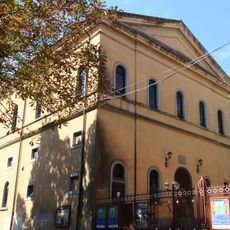
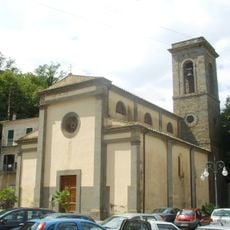
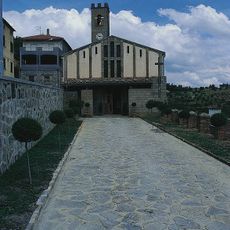
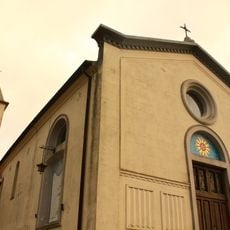
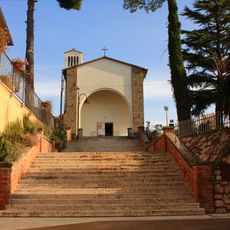
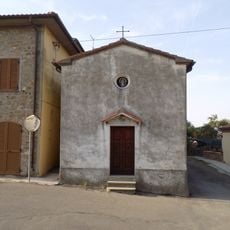
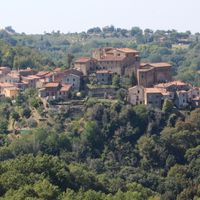
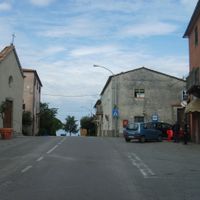
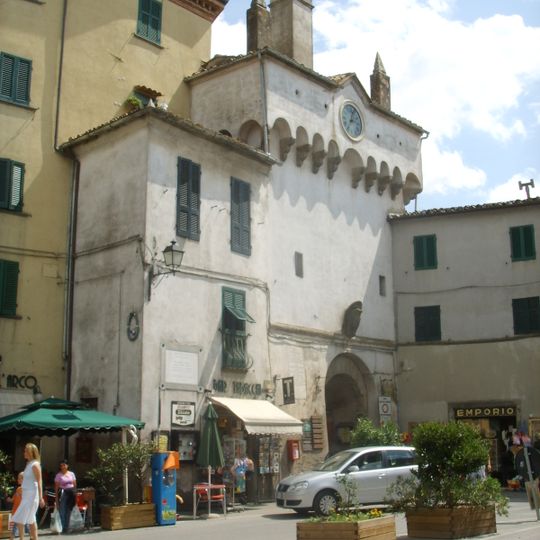
Scansano is a small commune in the province of Grosseto, positioned on a hill about 1,600 feet (500 meters) high between two river valleys. The town has narrow streets with old buildings, a central square with historic structures like the 15th-century Palazzo Pretorio, and the Church of San Giovanni Battista housing the famous painting Madonna dell'Uccellino.
Archaeological finds show the area was inhabited since the Bronze Age and later used by Etruscans and Romans. After Rome's decline, the settlement developed into a stable community around the year 1000, initially controlled by the Aldobrandeschi counts before Siena gained power and the region eventually passed to the Grand Duchy of Tuscany under the Medici family.
The name Scansano comes from Saint Ansano, a Christian martyr whose presence shaped this community for centuries. Walking through the town, you notice how local traditions and the way buildings are constructed reflect a continuous sense of shared history.
The town is best reached by car from nearby larger cities, with scenic country roads making the journey part of the experience. The town itself is comfortable to explore on foot, and visitors find various lodging options from hotels to agriturismos and rental homes for different preferences and budgets.
In 1958, the fossil skeleton of Oreopithecus Sandrone was discovered in the nearby Baccinello mine, one of the oldest known human ancestors important for understanding human evolution. This discovery momentarily made the area a center of scientific attention and reveals the deep prehistoric history of the region.
The community of curious travelers
AroundUs brings together thousands of curated places, local tips, and hidden gems, enriched daily by 91,803 contributors worldwide.