Camposilvano, Hamlet and hermitage in Velo Veronese, Italy
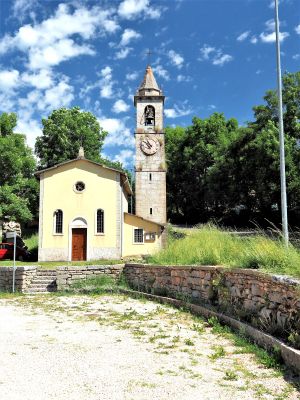
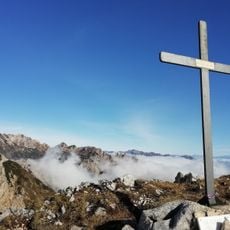
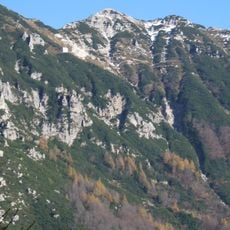
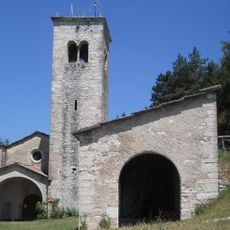
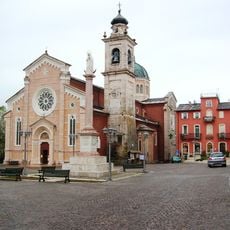
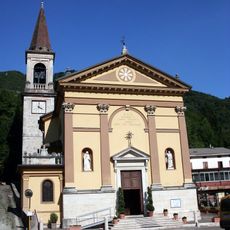
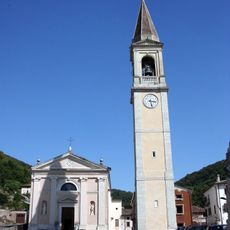
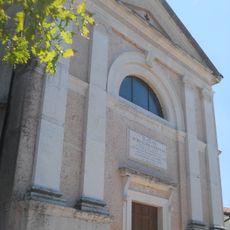
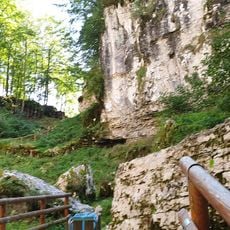
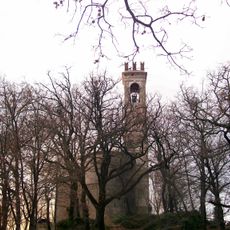
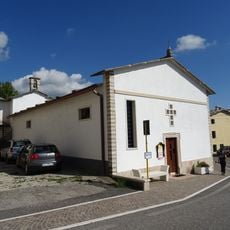
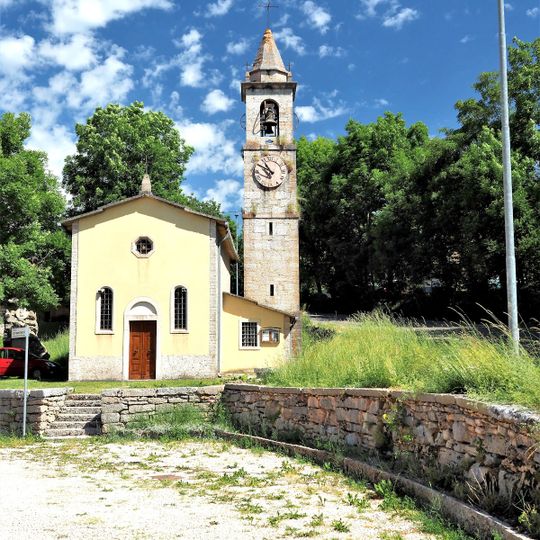
Camposilvano is a hamlet and hermitage within the municipality of Velo Veronese, set high in the Monti Lessini hills above Verona. It consists of stone houses with sloped roofs, narrow lanes, a small church dedicated to San Carlo Borromeo, and the Cóvolo, a large natural collapse crater that dominates the surrounding landscape.
Camposilvano was for centuries one of the thirteen small communities of the Lessinia, largely descended from the Cimbri, a people of Germanic origin who settled in these mountains. The church of San Carlo Borromeo was built in the early 1600s, and human remains found in the Cóvolo show the site was used by people as far back as around 70,000 years ago.
On Christmas Eve, the villagers gather at the Cóvolo for a Mass sung by a local choir called 'Le Falie', which performs outside rather than inside a church. This tradition draws people from the surrounding area and gives the cave a role in community life beyond its geological interest.
The Geopaleontological Museum serves as a good starting point, with a path leading directly from it to the Cóvolo crater. The crater itself is viewable from the edge, but entry inside is not permitted for safety reasons.
The Cóvolo formed around 2 million years ago when a karst cavity collapsed, and its thermal inversion keeps ice inside even through the summer months. In the past, locals used this natural cold as a kind of cellar to keep food fresh during warmer seasons.
The community of curious travelers
AroundUs brings together thousands of curated places, local tips, and hidden gems, enriched daily by 92,868 contributors worldwide.